Pereskiopsis rotundifolia Care

Pereskiopsis rotundifolia

About Pereskiopsis rotundifolia

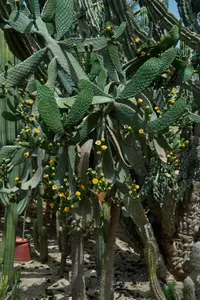
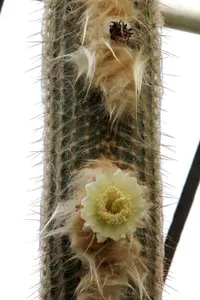
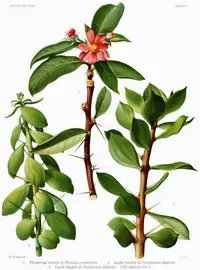
Pereskiopsis rotundifolia is an unusual cactus with thin, green, leafy stems instead of the thick, leafless pads many people expect from cacti. It forms a shrubby, branching plant that can grow quickly under warm, bright conditions.

This species is native to dry, warm regions of Mexico, where it experiences high light, good airflow, and fast-draining, rocky soils. In cultivation it is often used as a grafting rootstock for slower cacti because of its vigorous growth.

Its fast growth, tolerance of pruning, and clear response to light and water make it moderately easy to handle once its basic needs are understood. To care for Pereskiopsis rotundifolia, provide strong light, warmth, and a very free-draining substrate that dries between waterings.

Main Plant Requirements

Care Difficulty

Moderate Care

Light Preference

Full Sun

Water Requirements

Moderate Water

Temperature Preference

Tropical / Frost Sensitive

Hardiness Zone

10–11

Soil Texture

Sandy, Loamy, Organic-rich

Soil pH

Acidic (5.5–6.5), Slightly acidic (6.5–7.0)

Soil Drainage

Well-drained

Fertilization

Light (every 4–6 weeks)

Get Personalized Care Plan

Scan your plant to receive care tips personalized for your specific plant

Available on iOS and Android

How to Care for the Pereskiopsis rotundifolia

This cactus prefers strong light but benefits from some protection from intense midday sun.

  • Provide 6–8 hours of bright light daily, ideally full morning sun with light afternoon shade, especially in hot, dry climates.
  • Outdoors, give Pereskiopsis rotundifolia dappled or filtered sun during the harshest midday period to prevent scorch and yellowing stems.
  • If stems elongate, lean, or turn paler green, increase light exposure gradually over 7–10 days to avoid sudden sunburn.

Watering should support fast growth while avoiding prolonged soil saturation.

  • Allow the top 2–4 cm of soil to dry before watering; use a free-draining mix so water runs through quickly without pooling.
  • During active growth in warmer months, expect to water more often when leaves lose slight firmness or soil dries within 1–3 days.
  • Reduce watering sharply in cooler months; signs of overwatering include blackening stems and mushy roots, while severe wrinkling indicates underwatering.

Stable warmth supports rapid, healthy growth for this tropical cactus.

  • Aim for 70–90°F (21–32°C) for strongest growth, with good air movement to prevent heat stress in very bright sun.
  • Protect from cold below 50°F (10°C); growth slows sharply under this level and tissue becomes more prone to rot.
  • Never expose the plant to frost; brief drops near 40°F (4°C) may be survived if dry, but damage risk increases the longer cold persists.

This cactus-like shrub prefers relatively dry air and rarely needs special humidity adjustment indoors.

  • Target 30–50% humidity, similar to most heated homes, without extra humidifiers.
  • Tolerates drier air well, but persistent humidity above 60% around foliage increases rot risk.
  • Watch for soft, pale, or blackening stem sections as signs of excess humidity and improve air movement.

Pereskiopsis rotundifolia needs very fast-draining, airy soil to prevent root and stem rot.

  • Use a gritty mix such as 50–70% mineral material (pumice, perlite, coarse sand, small gravel) blended with 30–50% cactus potting mix.
  • Aim for slightly acidic to neutral pH around 6.0–7.0, avoiding strongly alkaline substrates that can lock up nutrients.
  • Ensure structure stays loose and open; large mineral particles create air pockets and prevent compaction around fine roots.
  • Avoid heavy, peat-dense, or clay-rich mixes that stay wet for longer than 2–3 days after watering.

This species is well suited to container growing when the pot supports its fast, shrubby growth and shallow roots.

  • Choose a relatively deep but narrow pot to give roots vertical run while limiting excessive, stay-wet surface soil.
  • Use unglazed terracotta if possible, as its porous walls help excess moisture evaporate from the fast-draining mix.
  • Stabilize tall, leafy stems with a heavier pot or top-dressing gravel so the container does not tip as growth accelerates.

Nutrient inputs help Pereskiopsis rotundifolia maintain fast, leafy growth during the warm season.

  • Use a balanced liquid fertilizer around 10-10-10 or 20-20-20, diluted to 1/4–1/2 strength for container plants.
  • Feed every 2–4 weeks during active growth in spring and summer, on already-moist soil to avoid root burn.
  • For lower-maintenance setups, apply a light slow-release fertilizer or thin compost layer at season start.
  • Reduce feeding to once in late autumn or stop entirely in winter when growth slows.

Thoughtful pruning keeps Pereskiopsis rotundifolia compact, well-branched, and easy to handle.

  • Carry out main pruning in late winter or early spring before vigorous new growth begins.
  • Remove dead, damaged, crossing, or overly crowded stems with clean, sharp pruners or scissors.
  • Tip back long, leggy shoots to encourage branching and a sturdier, bushier framework.
  • Disinfect tools before and after use, and avoid heavy pruning during very hot, dry periods.

Container-grown plants benefit from occasional repotting to sustain strong root health and upright growth.

  • Check for roots circling the pot, escaping drainage holes, or unexplained slow growth as signals to repot Pereskiopsis rotundifolia.
  • Plan repotting for mid-spring, usually every 1–2 years, when active growth supports faster recovery.
  • Move into a pot only 2–3 cm wider, using a fast-draining cactus or gritty mix to limit waterlogging.
  • Handle roots gently, keep the original root ball mostly intact, and water lightly for 3–5 days after repotting.

This species is commonly multiplied from stem cuttings for stock plants or grafting use.

  • Take 8–12 cm healthy, non-woody cuttings in late spring or summer from pest-free stems.
  • Allow cut ends to callus for 1–3 days in a dry, shaded place before inserting into a gritty, sterile mix.
  • Provide bright, indirect light, 70–85°F warmth, and slightly moist but never wet substrate to encourage rooting.
  • Support tall cuttings with stakes if needed and avoid fertilizer until new growth appears.

Cold sensitivity means focused winter care is important, especially outside warm climates.

  • Pereskiopsis rotundifolia is frost-tender and should be kept above 40–45°F for best survival.
  • Move containers indoors or into a heated greenhouse before overnight temperatures approach 45°F.
  • Reduce watering sharply in winter, keeping soil just barely dry to avoid cold-related root rot.
  • In mild climates, use a light mulch on outdoor root zones and a breathable cover during brief cold snaps.

Care Tips

Use thin grafting

For cactus seedling grafts, use very thin, vigorously growing tips and make all cuts with a new razor blade or scalpel to reduce infection risk and improve union success.

Stage light intensity

When moving plants from shade to stronger light, increase exposure over 7–10 days to harden tissues and prevent leaf scorch on the tender, broad foliage.

Rotate for straight growth

Turn pots 90° every 5–7 days so the shoots do not lean strongly toward the light, which keeps stems straighter and easier to use as future grafting stock when growing Pereskiopsis rotundifolia.

Timed tip pruning

Pinch or cut soft shoot tips once stems reach 15–20 cm to encourage more branching, giving more usable segments and a denser framework for future cuttings.

Sanitize between plants

Disinfect blades with 70% isopropyl alcohol or a 10% bleach solution between plants to limit spread of fungal and bacterial problems, especially when making multiple grafts or cuttings in one session.

Common Pests and Diseases

Spider mites

This pest is common on soft, leafy growth and can build large colonies on the undersides of the leaves and young stems. Symptoms include fine webbing, pale stippling, and gradual yellowing or drying of pads and leaves.

Solution

Rinse stems and leaf surfaces thoroughly with a strong but controlled stream of water, then repeat every few days until populations drop. For ongoing Pereskiopsis rotundifolia care instructions, use insecticidal soap or a neem oil spray directed to leaf undersides, and increase humidity and airflow to make the plant less favorable to mite outbreaks.

Mealybugs

This pest hides in areoles, in leaf axils, and along tender joints, appearing as white, cottony clusters. Symptoms include sticky honeydew, sooty mold on that honeydew, and distorted new growth or slowed vigor.

Solution

Isolate the plant, then dab visible insects with cotton swabs dipped in 70% isopropyl alcohol and repeat weekly until no new clusters appear. For heavier infestations, combine careful manual removal with a systemic insecticide labeled for succulents, and prune heavily infested stems that are difficult to clean thoroughly.

Scale insects

These insects attach tightly to green stems and along the woody base, forming small brown or gray bumps. Symptoms include yellowing segments, poor growth, and sticky honeydew that can attract ants.

Solution

Gently scrape or peel off individual scales with a fingernail or blunt tool and wipe stems with an alcohol-moistened cloth. For persistent populations, apply horticultural oil or neem oil to coat stems and repeat according to label directions, while improving light and general vigor so the plant can better tolerate minor damage.

Corking and stem canker

This disease complex involves tissue damage on fast-growing, water-rich stems, which can become brown, corky, or sunken and sometimes crack. Symptoms include localized brown lesions that may spread along the stem, often starting where physical injury or sun stress occurred.

Solution

Cut back affected sections well into healthy green tissue with a sterile blade, then allow cut surfaces to dry and callus in bright, indirect light. Reduce watering slightly, avoid overhead wetting of stems, and provide stable light and temperature to prevent stress that predisposes tissue to secondary fungal infection.

Fusarium wilt

This disease is caused by soilborne Fusarium fungi that invade through roots or wounds, which is a known risk in fast-grown, heavily watered Pereskiopsis used as grafting stock. Symptoms include sudden wilting of segments, vascular browning inside stems, and progressive dieback despite moist substrate.

Solution

Remove and discard severely affected plants and do not reuse contaminated soil or pots. For valuable plants, take cuttings only from firm, clearly healthy tissue well above any discoloration, root them in fresh sterile mix, and improve hygiene by using clean tools, well-draining substrate, and avoiding chronically wet conditions.

Interesting Facts

Ancestral cactus leaves

Unlike most cacti, this species has persistent, roundish leaves, reflecting an ancestral growth form before full desert adaptation and stem-only photosynthesis evolved in many other cacti.

Rapid grafting rootstock

Cactus growers commonly use this species as a grafting stock for very young seedlings because its fast, leafy growth pushes scions to develop unusually quickly under suitable conditions.

True woody stems

Mature plants develop a distinctly woody, shrubby framework, which is unusual among many familiar cacti that remain mostly succulent and do not form such clearly woody branches.

Botan icon

Did you know?

In cultivation and research, this species is valued for its ability to keep both leaves and stems actively photosynthesizing at the same time, which provides an unusually high energy supply for grafted seedlings compared with most other cactus rootstocks.

FAQs about Pereskiopsis rotundifolia

Yellowing leaves usually result from overwatering, poor drainage, sudden temperature drops, or nutrient imbalance, especially excess nitrogen. Check the roots for rot, let the soil dry more between waterings, and adjust fertilizing to a light, balanced formula.

Grow Healthy Plants with Botan Care

Keep your plants happy and healthy with plant identification, disease detection, and easy care guidance.

Botan plant care app — identify plants on mobile

Explore More Plants