Turbinicarpus laui Care

Turbinicarpus laui

About Turbinicarpus laui

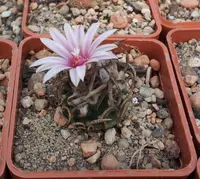
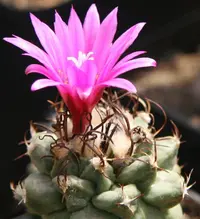
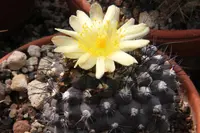
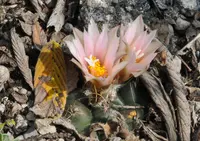
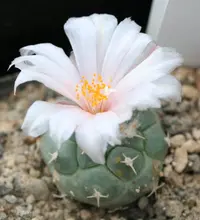
Turbinicarpus laui is a miniature desert cactus with a small, rounded body and distinct tubercles that form neat geometric patterns. It often produces delicate pink to whitish flowers that are large compared with the plant’s size.

This species is native to arid limestone hills in northeastern Mexico, where it grows in rocky crevices with strong light and very fast-draining soil. Its slow growth, sensitivity to excess moisture, and need for good ventilation make it slightly challenging, but manageable for careful growers. With bright light, sparse watering, and gritty soil, it is possible to care for Turbinicarpus laui successfully indoors or in a dry greenhouse.

Main Plant Requirements

Care Difficulty

Hard Care

Light Preference

Full Sun

Water Requirements

Low Water

Temperature Preference

Tropical / Frost Sensitive

Hardiness Zone

10–11

Soil Texture

Sandy, Rocky, Loamy

Soil pH

Slightly acidic (6.5–7.0), Neutral (7.0)

Soil Drainage

Well-drained

Fertilization

Minimal (feed rarely)

Get Personalized Care Plan

Scan your plant to receive care tips personalized for your specific plant

Available on iOS and Android

How to Care for the Turbinicarpus laui

This small cactus prefers strong light but needs protection from intense mid-day sun.

  • Provide 4–6 hours of direct morning sun plus bright, filtered light for the rest of the day, especially in spring and summer.
  • Offer light afternoon shade in hot climates to prevent bleaching or corking of Turbinicarpus laui stems and to limit heat stress.
  • In winter, move plants to the brightest spot available; insufficient light causes elongated, pale growth and weak spine development.

This species needs infrequent but thorough watering with fast drainage.

  • Water only when the top 3–5 cm of soil are completely dry, letting excess drain fully to avoid root rot.
  • In active growth (roughly spring to early fall), use deep soak-and-dry watering; wrinkling at the base suggests it is time to water.
  • Reduce or stop watering in cool, low-light winter conditions; soft, yellowing tissue or a sour smell usually indicates overwatering.

This cactus prefers warm, dry conditions with a cool but not freezing winter rest.

  • Aim for 70–85°F (21–29°C) during active growth; brief peaks to 95°F (35°C) are tolerated if air is moving and soil stays dry between waterings.
  • Protect from frost; long exposure below 40°F (4°C) damages tissue, and freezing conditions can kill roots and stems.
  • For a compact plant and better flowering, provide a cooler, drier rest in winter around 45–55°F (7–13°C) while keeping it completely frost-free.

This small cactus prefers dry air and does not need extra humidity beyond typical indoor levels.

  • Aim for 20–40% relative humidity, similar to a dry, heated room environment.
  • It tolerates very dry air; soft, swollen tissue or translucent spots usually come from excess moisture, not low humidity.
  • If room humidity exceeds 50%, increase air movement and space plants apart to reduce prolonged surface dampness.

This species needs a very fast-draining, mineral-dominant mix that dries quickly between waterings.

  • Use roughly 70–80% gritty mineral material such as pumice, coarse sand, and small gravel, with only 20–30% low-organic cactus substrate.
  • Ensure water drains through the pot within seconds; if it lingers or the surface stays dark and sticky, add more pumice or grit.
  • Keep pH mildly neutral to slightly alkaline (about 6.5–7.5), avoiding very acidic, peat-heavy mixes that hold moisture too long.
  • For Turbinicarpus laui, avoid fine composts, clayey garden soil, or any dense material that collapses and reduces air pockets around the roots.

This cactus is very suitable for container growing due to its compact root system and small size.

  • Choose a pot only slightly wider than the plant body so the mix dries evenly and does not stay wet in unused corners.
  • Select a shallow pot rather than a deep one to match the relatively shallow root system and limit moisture retention at the bottom.
  • Unglazed terracotta is preferable because it releases moisture through the walls, reducing the risk of root rot in small, concentrated root zones.

This small desert cactus needs only light feeding to stay healthy in cultivation.

  • Use a low-nitrogen balanced cactus fertilizer (for example 5-10-10) diluted to 25–50% strength in well-watered soil.
  • Feed Turbinicarpus laui once every 4–6 weeks during the warm, active growing season only.
  • Avoid organic compost or rich slow-release fertilizers that hold moisture and can cause root rot.
  • Stop feeding entirely in autumn and winter to allow full dormancy and maintain compact growth.

Pruning needs for this cactus are minimal and mostly limited to health and safety reasons.

  • Carry out any work in late spring or early summer when healing is fastest.
  • Remove only dead, diseased, or badly scarred tissue, trimming flower remnants by hand if desired.
  • Use small, sharp, disinfected tools or tweezers to avoid tearing the epidermis and introducing pathogens.
  • Limit pruning to maintain the natural compact form and avoid stimulating soft, weak growth.

This cactus prefers a tight pot and infrequent disturbance, so repot only when clearly necessary.

  • Check for roots circling the drainage holes, compacted mix, or unexplained slow growth as signals for repotting.
  • Plan to repot in late spring every 3–5 years, moving only 1 pot size up with a very gritty cactus mix.
  • Water lightly a few days before repotting, then slide the plant out gently to keep the small root system intact.
  • After repotting, place in bright shade 7–10 days and keep nearly dry to reduce root stress and encourage recovery.

Propagation of this species is typically done from seed and requires patience and stable conditions.

  • Sow fresh seeds of Turbinicarpus laui in late spring to early summer in a sterile, fine, gritty mix.
  • Maintain 70–80°F, bright indirect light, and high air humidity with a covered tray for even germination.
  • Pre-moisten the mix, press seeds onto the surface, and avoid deep burial so light can reach them.
  • Vent covers gradually, reduce moisture, and increase light once seedlings show stable growth and thicker skins.

Cool, dry winter rest is essential for this cactus to stay compact and flower well.

  • Keep plants at 40–50°F in winter, always above freezing, in a bright, airy position.
  • Suspend watering almost completely; provide only a light sip once every 4–6 weeks if stems shrivel strongly.
  • For container plants, move pots indoors or into an unheated, frost-free greenhouse before frost is forecast.
  • Ensure the soil stays dry and the potting mix remains very free-draining to prevent cold-related root rot.

Care Tips

Deep pot choice

Use a narrow but relatively deep pot with large drainage holes to accommodate the long taproot and reduce the risk of root constriction over several years.

Mineral top dressing

Add a 0.5–1 cm layer of coarse grit or small lava rock on the soil surface to keep the neck of the plant dry, reduce algae growth, and stabilize the body against accidental bumps.

Winter rest setup

From late fall, move the plant to a bright, frost-free place and keep it fully dry for 10–14 weeks to promote compact growth and reliable flowering in spring.

Targeted pest checks

Inspect the woolly areoles and the base of the plant every few weeks with a hand lens so mealybugs or spider mites are spotted early and can be treated before they reach the roots.

Safe moving routine

When relocating the plant, hold the pot instead of the body and keep it in the same orientation to the light to avoid corking scars and stress from sudden changes in light exposure while caring for Turbinicarpus laui.

Common Pests and Diseases

Red spider mites

This pest often appears in hot, very dry conditions and can stress the plant, causing dull, speckled skin and slow growth. Symptoms include fine webbing around the areoles and at the base of the stem.

Solution

Increase air movement and lightly mist the surrounding air without wetting the cactus body, then rinse the plant gently with a strong but controlled stream of water to dislodge mites. If activity persists, treat with a targeted miticide or horticultural soap labeled for cacti, repeating at 7–10 day intervals and keeping the plant out of strong sun until fully dry.

Root mealybugs

These insects live hidden in the soil and on roots, causing slow decline, wrinkling, and poor response to watering. Symptoms include cottony white clusters on roots and a sour or musty smell when the plant is unpotted.

Solution

Unpot the plant, wash all soil from the roots with lukewarm water, and remove visible insects by hand or with tweezers. Soak the root system briefly in a systemic insecticide solution labeled for container cacti, let the roots dry for 24–48 hours in shade, then replant in fresh, very well-draining mineral substrate.

Stem mealybugs

This pest hides between tubercles and in woolly areoles, feeding on plant sap and causing local yellowing and distortion. Symptoms include white, cotton-like masses tucked into crevices and sticky honeydew on the plant or pot surface.

Solution

Isolate the plant, then dab each colony with cotton swabs dipped in 70% isopropyl alcohol, taking care not to soak the plant body. After mechanical removal, apply a systemic insecticide suitable for succulents and reduce excess nitrogen fertilization, which can make infestations worse when growing Turbinicarpus laui.

Fusarium stem rot

This disease usually enters through small injuries or old flower scars, leading to localized sunken, brown to purplish areas that gradually expand. Symptoms include internal tissue turning brown and soft while the outer skin may stay partly firm at first.

Solution

At the first signs, cut away all discolored tissue with a sterile, very sharp blade until only firm, healthy tissue remains, then dust the wound with a dry fungicidal powder or sulfur. Keep the plant completely dry in bright, airy shade until a dry callus forms, then resume very light watering while avoiding any splashing on the wound area.

Helminthosporium spot

This disease causes small, sharply defined brown or black spots on the epidermis, often starting on the shaded side or near the soil line. Spots can coalesce into larger patches that scar the plant permanently but rarely spread rapidly in very dry conditions.

Solution

Improve air circulation, reduce ambient humidity, and avoid overhead watering that wets the stem. Remove heavily marked plants from close contact with others, keep them in a drier, brighter position, and apply a cactus-safe systemic fungicide if new spots continue to appear despite environmental adjustments.

Interesting Facts

Miniature limestone specialist

This species is naturally restricted to gypsum and limestone hills in Nuevo León, Mexico, where it grows in rock crevices with extremely thin, mineral-rich soils and very little organic matter.

Camouflaged tubercles

Its small, rounded tubercles and short, fine spines often take on the color of surrounding rocks, which helps the plant blend into its substrate and reduces herbivore pressure in the wild.

Large flowers, tiny body

The pale pink to white flowers are disproportionately large compared with the small, globose stem, a trait that makes the plant highly conspicuous when in bloom despite its otherwise cryptic appearance.

Botan icon

Did you know?

T. laui is considered one of the most threatened cacti in its limited native range, and wild populations have been heavily impacted by illegal collection for specialist cactus markets, so many countries now encourage or require cultivation from nursery-propagated material rather than field-collected plants.

FAQs about Turbinicarpus laui

Growth is very slow. Seedlings may take several years to reach just a few cm across, and mature size often takes 8–10 years or longer. Limited root volume and sparse fertilization further slow growth.

Grow Healthy Plants with Botan Care

Keep your plants happy and healthy with plant identification, disease detection, and easy care guidance.

Botan plant care app — identify plants on mobile

Explore More Plants