


Mycorrhiza protection
Avoid disturbing or cultivating the soil around the plant’s base, as its roots depend on a specific underground fungus; mark the area and keep tools and heavy foot traffic away to protect this partnership.

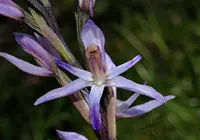
Limodorum trabutianum is a leafless terrestrial orchid known for its pale, often violet-tinged flowering stems emerging from underground tubers. It relies heavily on a mycorrhizal relationship, meaning it partners with soil fungi for nutrients rather than typical leafy photosynthesis.
This species occurs in Mediterranean-type habitats, usually in open woodlands or scrub with calcareous, well-drained soils. Because of its dependence on specific fungi and stable conditions, it is challenging to cultivate and not suited to beginners.
Understanding how to care for Limodorum trabutianum starts with recognizing that it behaves more like a semi-saprophytic wild orchid than a standard garden plant, preferring undisturbed, lightly shaded, and seasonally dry sites.

Care Difficulty
Hard Care

Light Preference
Partial Shade

Water Requirements
Moderate Water

Temperature Preference
Warm Climate

Hardiness Zone
Unknown

Soil Texture
Loamy, Sandy, Organic-rich

Soil pH
Acidic (5.5–6.5)

Soil Drainage
Well-drained

Fertilization
Minimal (feed rarely)
Scan your plant to receive care tips personalized for your specific plant
Available on iOS and Android
This terrestrial orchid prefers bright, open woodland light with limited direct midday sun exposure.
This mycoheterotrophic orchid relies heavily on its fungal partners, so surface watering needs are modest and seasonal.
This Mediterranean orchid prefers mild, seasonal conditions with cool, moist winters and warm, dry summers.
This terrestrial orchid manages in 40–60% humidity but is sensitive to prolonged very dry air.
This species relies on a loose, sharply drained yet humus-rich substrate that mimics light woodland soil.
This species is generally unsuitable for long-term container growing and performs best in the ground or a naturalistic bed.
This terrestrial orchid relies mainly on its mycorrhizal fungi partners and usually needs no direct feeding in gardens or pots.
Pruning needs for Limodorum trabutianum are minimal and focus only on hygiene.
This species resents disturbance, so repotting or transplanting is rarely recommended and should be done only when essential.
Propagation of this orchid is highly specialized and not practical for home growers because it depends on specific soil fungi.
In regions with mild, Mediterranean-type winters, this hardy terrestrial orchid usually needs little special winter care outdoors.

Plant Health Check
Not sure what's wrong with your plant? Check your plant's health inside the app.
This orchid is effectively leafless and lacks functional chlorophyll, relying almost entirely on fungal partners in the soil for carbon and mineral nutrition rather than photosynthesis.
It forms intimate associations with ectomycorrhizal fungi that also live on the roots of nearby trees, creating a nutritional bridge where the orchid indirectly taps into tree-derived resources.
Populations may remain completely unseen underground for several years and then appear suddenly in favorable seasons, making the species easy to overlook in field surveys.
This mycoheterotrophic orchid relies on a specific symbiotic fungus and often spends years underground. Lack of compatible fungi, disturbance of the root zone, or collecting from the wild usually prevents flowering in garden conditions.
Keep your plants happy and healthy with plant identification, disease detection, and easy care guidance.

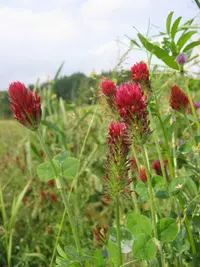
crimson clover
Trifolium incarnatum
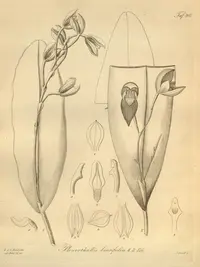
Green bonnet orchid
Pleurothallis ruscifolia
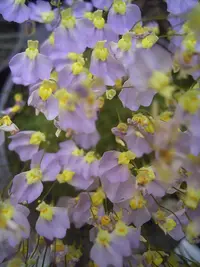
Cape Bladderwort
Utricularia bisquamata
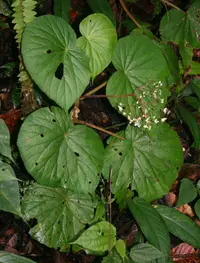
Begonia multinervia
Begonia multinervia
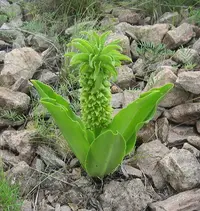
Autumn Pineapple Lily
Eucomis autumnalis

fire fern
Oxalis hedysaroides
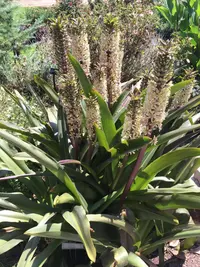
Pineapple Lily
Eucomis comosa 'Sparkling Burgundy'
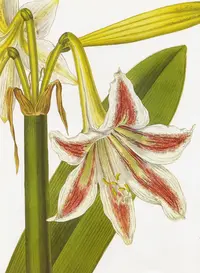
Hippeastrum vittatum
Hippeastrum vittatum