Pinch For Bushiness
Pinch out the soft tips of each stem every 3–4 weeks during active growth to keep the plant compact and encourage dense, colorful foliage instead of long, leggy shoots.


Cuban copperleaf (Acalypha setosa) is a warm-climate ornamental shrub grown mainly for its colorful, finely textured foliage. It usually forms a compact, bushy plant with small, serrated leaves that can show copper, red, or green tones.
In nature it occurs in tropical regions and is often used in gardens or containers in frost-free areas. Indoors it is sometimes grown as a foliage accent plant.
This species prefers bright light, evenly moist but well-drained soil, and protection from cold drafts. Once its basic needs are met, it is relatively straightforward to care for Cuban copperleaf in home or patio settings.

Care Difficulty
Moderate Care

Light Preference
Partial Sun

Water Requirements
Regular Water

Temperature Preference
Tropical / Frost Sensitive

Hardiness Zone
10–11

Soil Texture
Loamy, Sandy, Organic-rich

Soil pH
Acidic (5.5–6.5), Slightly acidic (6.5–7.0)

Soil Drainage
Moist but well-drained

Fertilization
Moderate (every 2–4 weeks)
Scan your plant to receive care tips personalized for your specific plant
Available on iOS and Android
This species needs bright light to keep foliage dense and colorful.
This plant prefers evenly moist but never waterlogged soil.
Consistent warmth supports compact growth and healthy foliage color.
This species prefers moderately humid air and reacts quickly to dry indoor conditions.
This plant performs best in loose, airy, organic-rich soil that drains freely yet holds consistent moisture.
This species is well suited to container growing on patios or sheltered outdoor spots.
This tropical foliage plant responds well to steady, moderate feeding during its main growth period.
Acalypha setosa benefits from light, structured pruning to maintain shape and dense foliage.
Container-grown plants appreciate occasional repotting to maintain vigorous growth.
This species is most commonly propagated from softwood or semi-ripe stem cuttings.
This warmth-loving plant is frost sensitive and needs protection in regions with cold winters.

Plant Health Check
Not sure what's wrong with your plant? Check your plant's health inside the app.
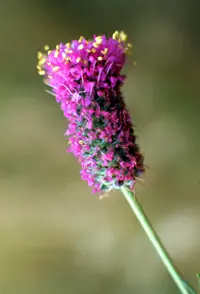
This species produces dense, red to reddish-purple spike-like inflorescences that resemble fuzzy caterpillars, formed from many small, inconspicuous individual flowers packed along a central stem.
In suitable tropical and subtropical climates, this shrub can grow quickly into a dense, low hedge, responding well to frequent clipping and shaping without losing foliage color.
It entered Western horticulture in the late 1800s, when collectors brought it from tropical regions into European glasshouses as a novel foliage and bedding plant.
Brown leaf edges usually come from low humidity, underwatering, or fertilizer salts building up in the soil. Check soil moisture, flush the pot occasionally, and increase ambient humidity. Avoid letting the root zone dry out completely.
Keep your plants happy and healthy with plant identification, disease detection, and easy care guidance.