gooseneck yellow loosestrife Care (Lysimachia clethroides)

Also known as: Gooseneck Loosestrife
gooseneck yellow loosestrife

About gooseneck yellow loosestrife

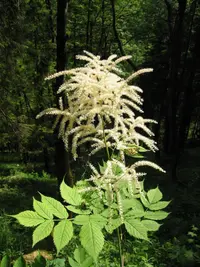
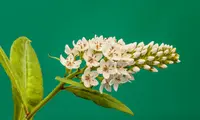
Gooseneck yellow loosestrife (Lysimachia clethroides) is a hardy herbaceous perennial grown mainly for its distinctive arching flower spikes. The white blooms curve like a goose’s neck above dense green foliage, creating a strong vertical accent in summer borders.

This species is native to East Asia and adapts well in many temperate gardens, spreading slowly by rhizomes to form clumps or patches. It is generally easy to grow, as long as soil stays consistently moist and does not dry out for long periods.

Plants prefer sun to light shade and tolerate a range of soils, which makes it straightforward to care for gooseneck yellow loosestrife in many home gardens.

Main Plant Requirements

Care Difficulty

Easy Care

Light Preference

Full Sun

Water Requirements

Keep Soil Moist

Temperature Preference

Cold Hardy

Hardiness Zone

3–8

Soil Texture

Loamy, Clay, Organic-rich

Soil pH

Acidic (5.5–6.5), Slightly acidic (6.5–7.0)

Soil Drainage

Moist but well-drained

Fertilization

Minimal (feed rarely)

Get Personalized Care Plan

Scan your plant to receive care tips personalized for your specific plant

Available on iOS and Android

How to Care for the gooseneck yellow loosestrife

Lysimachia clethroides grows best in bright locations with moderate direct sun and some daily shade.

  • Provide 4–6 hours of sun daily, ideally with morning sun and light afternoon shade to protect leaves from scorching.
  • Plant in a spot with partial shade in hotter regions; dappled or filtered light under open trees works well for gooseneck yellow loosestrife.
  • In cooler climates, it tolerates more sun, but monitor for leaf crisping in midsummer and move or shade plants if foliage pales or burns.

This species prefers consistently moist soil and reacts quickly to both drought and waterlogging.

  • Maintain soil that feels moist 3–8 cm deep; water when the surface just starts to lose its sheen but is not fully dry.
  • In summer, increase watering during hot, dry spells so the root zone does not dry out; in cool, rainy seasons, rely more on natural rainfall.
  • Watch for wilting, yellowing, or crisp leaf edges as signs of underwatering, and for limp, yellow, or blackened stems as possible overwatering in Lysimachia clethroides.

This hardy perennial tolerates a wide temperature range but has clear preferences for strong growth.

  • Active growth is best at 65–80°F (18–27°C), when stems elongate steadily and flowering is most reliable.
  • Dormant roots tolerate winter cold down to about -20°F (-29°C) in the ground if soil drains reasonably well and mulch is applied in colder areas.
  • Short periods above 86°F (30°C) are tolerated if soil stays moist; prolonged heat with dry soil can stunt growth and reduce flowering.

This species handles a fairly wide humidity range and usually does not need special humidity control outdoors.

  • Target 40–60% humidity for best growth, which typical outdoor conditions provide in most temperate regions.
  • Plants tolerate short dry-air spells but may show marginal leaf browning and slower growth when humidity stays very low.
  • In extended dry weather, cluster gooseneck yellow loosestrife near other plants and mulch the soil to moderate evaporation around the foliage.

This moisture-loving perennial prefers consistently damp, structured soil that still allows air to reach the roots.

  • Use a deep, loamy soil rich in organic matter that holds moisture but does not stay waterlogged.
  • Aim for slightly acidic to neutral pH around 6.0–7.0, incorporating garden compost or leaf mold to improve structure.
  • In heavy clay, mix in coarse sand and fine bark to boost aeration and drainage so roots do not suffocate.
  • Avoid thin, fast-drying sandy soils and spots where standing water persists for long periods after rain.

This plant can grow in containers if moisture needs and spreading roots are managed carefully.

  • Choose a wide, heavy container at least 30–40 cm deep to support its spreading root system and prevent tipping as stems arch outward.
  • Use a moisture-retentive potting mix with added compost and a small amount of coarse sand to balance water holding and drainage.
  • Position the pot where it can be watered frequently, as containers dry faster than garden soil and this species dislikes prolonged dryness at the root zone.

This perennial grows well in average soil but benefits from light feeding in poorer ground.

  • Apply a balanced granular or slow-release fertilizer (around 10-10-10) once in early spring as new growth starts.
  • Use a low to moderate rate or half-strength liquid feed to avoid lush, floppy stems in gooseneck yellow loosestrife.
  • In richer soils, substitute fertilizer with a thin layer of garden compost around the clumps.
  • Stop feeding by late summer and do not fertilize during winter dormancy.

Thoughtful pruning keeps Lysimachia clethroides dense, flowering well, and within bounds.

  • Cut back spent flower spikes and stems to just above healthy leaves after blooming to tidy plants.
  • Remove dead, damaged, or weak stems at ground level during late fall or very early spring.
  • Thin crowded shoots from the center of clumps to improve air flow and reduce disease risk.
  • Use clean, sharp hand pruners or shears, disinfecting blades when moving between plants.

This species is usually grown in the ground and responds well to periodic division and transplanting.

  • Plan to lift and divide clumps every 3–4 years in early spring or early fall.
  • Transplant when growth becomes crowded, flowering declines, or stems flop despite adequate light and moisture.
  • Dig widely to keep a generous root ball, then replant divisions at the same depth in well-prepared soil.
  • Water thoroughly after transplanting, shade briefly in hot weather, and keep soil evenly moist to limit root stress.

Lysimachia clethroides is commonly propagated by division, with other methods also possible.

  • Divide mature clumps in early spring or early fall, replanting vigorous sections with several shoots and roots.
  • Take 7–10 cm softwood stem cuttings in late spring, rooting them in moist, free-draining mix under bright, indirect light.
  • Sow fresh seeds in trays outdoors in fall or use cold stratification to improve spring germination.
  • Keep all propagules evenly moist but not waterlogged until strong new root systems have formed.

This hardy perennial tolerates typical winters in most temperate climates with minimal intervention.

  • In USDA zones about 4–8, roots usually overwinter outdoors without special protection once established.
  • After hard frost, allow stems to die back, then cut them to ground level in late fall or early spring.
  • Apply a 5–7 cm mulch layer over the root zone in colder or exposed sites to moderate soil temperature.
  • Move container-grown plants into a sheltered, unheated area to prevent repeated freeze-thaw of the pot.

Care Tips

Use root barriers

Install a rhizome barrier or sink edging 20–30 cm deep around beds to prevent this plant from spreading into lawn or neighboring plantings via underground stems.

Time division correctly

Divide clumps every 3–4 years in early spring just as new shoots emerge, replanting only vigorous outer sections to maintain flowering performance and control colony size.

Support tall stems

In windy or exposed sites, place low ring supports or discreet stakes around emerging shoots in spring so that tall flowering stems stay upright and do not lodge after heavy rain.

Strategic deadheading

Shear or cut back spent flower spikes before seed matures if you want to limit self-sowing and direct more energy into root and shoot growth for the following season.

Mulch for moisture control

Apply a 5–8 cm layer of organic mulch after the soil has warmed in late spring to stabilize soil moisture and temperature, which is especially useful when caring for gooseneck yellow loosestrife in lighter or faster-draining soils.

Common Pests and Diseases

Powdery mildew

This disease causes white, powdery patches on leaves, stems, and sometimes flower spikes, especially in warm, dry conditions with poor air movement. Symptoms include distorted growth and early leaf yellowing or drop.

Solution

Remove and discard heavily infected leaves to reduce spore load and avoid overhead watering. Improve spacing and air circulation, water at soil level in the morning, and if needed apply a sulfur or potassium bicarbonate fungicide labeled for ornamentals, following label directions carefully.

Leaf spot

This disease produces small brown to black spots on leaves that may merge into larger blotches during humid weather. Symptoms include premature yellowing and shedding of foliage from the lower parts of the plant upward.

Solution

Cut and dispose of affected leaves and any dense, congested stems to lower humidity around the plant. Avoid wetting foliage, irrigate at the base, clean up plant debris in fall, and use a copper-based or chlorothalonil fungicide if leaf spots spread rapidly.

Rust

This disease shows as yellow to orange spots on upper leaf surfaces with corresponding rust-colored pustules on the undersides. Symptoms include gradual weakening of plants and reduced flowering when infections are heavy.

Solution

Remove and discard infected leaves as soon as symptoms appear and keep the planting area free of fallen foliage. Increase air movement, avoid overhead watering, and if rust persists apply a rust-specific fungicide approved for ornamental perennials, rotating products to limit resistance.

Aphids

These insects cluster on young stems and undersides of leaves, sucking sap and excreting sticky honeydew that can lead to sooty mold. This pest can cause curling, distortion, and stunted new growth, especially on vigorous gooseneck yellow loosestrife shoots.

Solution

Jet-spray stems and leaves with water to dislodge colonies, and pinch off heavily infested shoot tips. Encourage or introduce beneficial insects such as lady beetles, use insecticidal soap or horticultural oil on thorough coverage, and avoid high-nitrogen fertilization that promotes tender, aphid-prone growth.

Slugs and snails

These pests feed on tender foliage and young shoots, leaving irregular holes and slime trails, especially in damp, shady beds. Symptoms include ragged leaf edges and damage concentrated near soil level or in dense clumps.

Solution

Hand-pick slugs and snails in the evening, use beer traps or iron phosphate bait, and reduce moist hiding places such as thick mulch and debris. Space plants to improve airflow and keep the soil surface slightly drier, which lowers feeding activity on Lysimachia clethroides plants.

Interesting Facts

Distinct gooseneck flower spikes

Its white flower clusters curve outward and then droop, forming an arched shape that closely resembles a goose’s neck, which is the origin of the common name gooseneck yellow loosestrife.

Spreads by underground rhizomes

This species forms dense colonies through vigorous rhizomes, allowing it to quickly occupy moist garden beds and stream banks if not contained.

Late-summer pollinator resource

The numerous small white flowers open in mid to late summer and attract bees, hoverflies, and other insect pollinators at a time when many spring and early-summer perennials have finished flowering.

Botan icon

Did you know?

In parts of East Asia, this plant has a long history of cultivation in traditional gardens, particularly valued for its arching white flower spikes in moon-viewing and evening gardens where pale blossoms remain visible in low light.

FAQs about gooseneck yellow loosestrife

This species spreads by rhizomes and can form dense colonies in moist soil. In garden beds, use root barriers, deep edging, or annual division to keep it contained and prevent it from overrunning nearby plantings.

Grow Healthy Plants with Botan Care

Keep your plants happy and healthy with plant identification, disease detection, and easy care guidance.

Botan plant care app — identify plants on mobile

Explore More Plants