ghost fungus Care (Omphalotus nidiformis)

ghost fungus

About ghost fungus

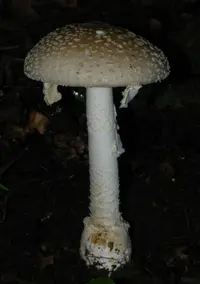
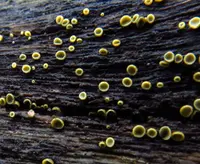
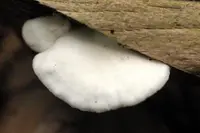
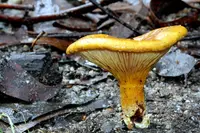
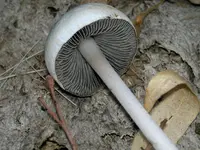
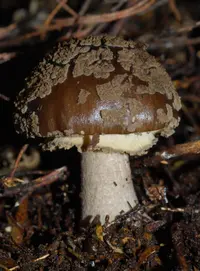
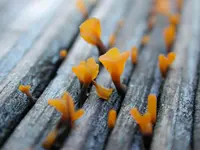
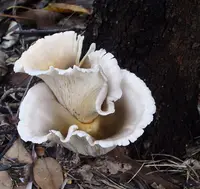
Ghost fungus, Omphalotus nidiformis, is a bioluminescent wood-decay mushroom, not a leafy plant. It naturally grows on dead or dying trees, mainly in Australia and parts of Asia. The caps are usually cream to orange-brown by day, with gills that emit a green glow in the dark. It tends to appear in clusters or rosettes on stumps, logs, or buried wood. This species is challenging for beginners, as it requires very specific wood-based substrates and stable environmental conditions to fruit reliably. For those exploring how to care for ghost fungus, success usually depends on cool, moist, shaded conditions and consistently damp, well-ventilated growing setups.

Main Plant Requirements

Care Difficulty

Hard Care

Light Preference

Shade

Water Requirements

Keep Soil Moist

Temperature Preference

Cool Climate

Hardiness Zone

Unknown

Soil Texture

Loamy, Organic-rich, Peaty

Soil pH

Acidic (5.5–6.5)

Soil Drainage

Moist but well-drained

Fertilization

Minimal (feed rarely)

Get Personalized Care Plan

Scan your plant to receive care tips personalized for your specific plant

Available on iOS and Android

How to Care for the ghost fungus

This wood-decaying fungus prefers low, filtered light rather than direct sun exposure.

  • Provide dappled shade or deep shade with brief early morning sun only, avoiding direct sun from late morning to afternoon.
  • Aim for conditions similar to a shaded forest floor: 0–2 hours of weak sun daily and bright, indirect or reflected light the rest of the day.
  • Excess sun dries the substrate and damages fruiting bodies, while too little ambient light can reduce ghost fungus visibility and overall vigor, especially in summer at higher latitudes.

Moist, not waterlogged, substrate is critical for reliable fruiting.

  • Maintain consistently damp wood or organic substrate, allowing only the top 1–2 cm to lose surface sheen before re-moistening.
  • In cool, wet seasons, reduce added water to prevent stagnant, foul-smelling patches that signal anaerobic, overwatered conditions.
  • In warmer or windy periods, increase misting or gentle soaking if the substrate feels light, pulls from edges, or shows shrinking and cracking, which indicate drying that can halt Omphalotus nidiformis development.

This species performs best in mild, stable temperatures without extremes.

  • Target 55–70°F (13–21°C) for active growth and fruiting, avoiding prolonged exposure above or below this range when possible.
  • Short exposures down to about 40°F (4°C) are usually tolerated, but hard frost below 32°F (0°C) can damage or stop fruiting structures.
  • Sustained heat above 80°F (27°C), especially with low humidity, can dry the substrate and stress the mycelium, so provide shade and moisture buffering in hot summers.

This species grows on wood and does not rely on ambient humidity in the same way as leafy plants.

Omphalotus nidiformis does not grow in traditional potting soil but in a wood-based substrate that mimics decaying logs.

  • Use a mix of hardwood chips, sawdust, and coarse bark to replicate decomposing wood texture and structure.
  • Ensure the substrate drains freely yet holds moisture by blending fine sawdust with chunkier wood chips in roughly equal parts.
  • Maintain a slightly acidic environment around pH 5.0–6.0 by using non-treated hardwood materials and avoiding lime or alkaline amendments.
  • Prevent anaerobic conditions by keeping the substrate moist but never waterlogged, allowing air pockets to remain between wood pieces.

This fungus can be grown in containers if the vessel mainly serves as a stable, aerated chamber for a wood-based substrate.

  • Choose a deep, rigid container that holds a substantial mass of colonized wood so the substrate does not dry or heat unevenly.
  • Drill multiple side and bottom holes to vent carbon dioxide and allow limited air exchange without exposing the substrate to strong drafts.
  • Raise the container slightly off the ground so any leachate can drain away quickly instead of pooling under the wood substrate.

Omphalotus nidiformis is a saprophytic fungus that feeds from decaying wood and usually does not need added fertilizer in cultivation.

Omphalotus nidiformis does not require pruning in the usual plant sense, but spent fruiting bodies can be tidied if needed.

  • Remove only fully collapsed, moldy, or insect-infested mushrooms to reduce contamination around the growing area.
  • Use clean scissors or a sharp knife to cut the fruiting body at the base, avoiding disturbance of the underlying mycelium.
  • Limit handling of nearby substrate so the hidden fungal network remains intact and able to fruit again.
  • Dispose of removed tissue in sealed trash if contamination or unwanted spread is a concern.

This fungus is usually managed by renewing its woody substrate rather than conventional repotting or transplanting.

  • Plan to refresh or replace the colonized wood or sawdust block every 1–2 fruiting cycles, once yields and mushroom size decline.
  • Transplant only during mild temperatures, moving intact colonized logs or blocks to a similar shaded, humid site.
  • Handle the substrate gently to avoid breaking the mycelium; lift the whole unit instead of shaking or crumbling it.
  • After relocation, maintain stable moisture around the new site to limit stress and help re-establish active growth.

Propagation of Omphalotus nidiformis is specialized and usually done by experienced growers using spores or colonized substrate rather than casual home methods.

In mild coastal or forest climates this fungus generally needs little specific winter care, but container or indoor cultures benefit from some protection.

  • Keep colonized logs or blocks above freezing, ideally 40–55°F, to maintain mycelium health.
  • For outdoor setups in cooler regions, keep substrate in a sheltered, shaded spot with good air flow and minimal wind exposure.
  • Maintain slightly moist but not waterlogged substrate; avoid repeated freeze–thaw of saturated wood to prevent tissue damage.
  • For ghost fungus indoor care, keep containers in a cool, dark area and avoid strong heating or forced-air vents nearby.

Care Tips

Use hardwood blocks

Inoculate clean, freshly cut hardwood logs or dense blocks (e.g., eucalyptus, oak) rather than loose chips to create a stable, slow-decaying substrate that supports repeated flushes over several seasons.

Prioritize dark periods

To encourage stronger bioluminescence, keep colonized substrates in complete darkness for most of the day and only inspect briefly with dim light, as prolonged bright light can reduce the visible glow.

Control fresh air

Provide gentle but consistent fresh air exchange in enclosed setups by using a small fan on a low setting or opening vents, which reduces CO₂ buildup that can cause deformed caps and elongated stems.

Manage competitive fungi

Before inoculation, heat-treat or pressure-sterilize wood and tools, and discard any substrates that show green, black, or strongly fuzzy contamination so the mycelium does not have to compete with aggressive molds.

Stage fruiting containers

If growing ghost fungus in tubs or bags, move fully colonized substrate into a separate, cooler, high-humidity fruiting area to avoid disturbing the mycelium and to fine-tune conditions just for mushroom development.

Common Pests and Diseases

Mycophagous springtails

These insects feed on fungal tissue and can graze the gills and caps, leaving pitted or roughened surfaces and slowing fruit body development. This pest is common in moist substrate cultures and outdoor colonies with constantly damp wood or leaf litter.

Solution

Reduce excessive surface moisture by improving drainage and ventilation around the substrate, and avoid over‑misting in indoor or lab-style setups. Remove heavily damaged fruit bodies, and if needed, use fine mesh or insect netting over outdoor logs to physically exclude springtails while maintaining airflow for proper Omphalotus nidiformis care.

Fungus gnat larvae

This pest lives in and on the substrate, where larvae tunnel through developing fruit bodies and mycelium, causing soft spots, deformities, and premature collapse of mushrooms. Adults may be seen as small dark flies hovering around very damp growing areas or decaying wood.

Solution

Lower excess moisture in the growing area, eliminate standing water, and improve air movement to make conditions less favorable. Use yellow sticky traps to reduce adult gnats and, if cultivating on contained substrates, cover vents and openings with fine mesh to block egg‑laying on exposed mycelium and young fruit bodies.

Wood‑decay competitor fungi

This disease pressure comes from other lignicolous (wood‑decaying) fungi that colonize the same log or stump, competing for nutrients and sometimes overgrowing ghost fungus mycelium. Symptoms include fewer or smaller fruit bodies, irregular emergence, or visible colonies of different-colored fungi on the same wood.

Solution

When cultivating, select fresh, sound hardwood and inoculate promptly so the desired mycelium establishes first. Remove sections of wood that are clearly dominated by other fungi, maintain moderate but not waterlogged moisture, and if necessary start new culture logs from clean spawn rather than trying to salvage heavily invaded wood.

Mite infestation

These pests are tiny arthropods that feed on mycelium and tender fruit body tissue, leaving scarred, rough, or speckled areas and sometimes causing distorted caps. Symptoms include slow pin development and a dusty or moving film of mites on the substrate or gill surfaces under magnification.

Solution

Lower humidity slightly while keeping the substrate from drying out, and increase fresh air exchange to disrupt mite populations. Remove and discard heavily infested fruit bodies, clean nearby surfaces thoroughly, and, in contained cultivation systems, use physical barriers and regular sanitation to prevent re‑introduction from organic debris or stored substrates.

Interesting Facts

Naturally glowing gills

Its fruiting bodies emit a visible green light from the gills and cap undersides at night, a phenomenon known as bioluminescence caused by a luciferin–luciferase chemical system. The glow is best seen in very dark, low-light conditions and can persist for many hours.

Toxic look-alike

It often grows on eucalypt wood in Australian forests and can superficially resemble edible oyster mushrooms. Ingestion can cause severe gastrointestinal poisoning due to the presence of ill-defined gastrointestinal toxins, so it is considered inedible and dangerous.

Wood-decaying specialist

This species is a saprotrophic fungus that decomposes dead and decaying wood, especially from Eucalyptus species. By breaking down lignin and cellulose, it plays an important role in nutrient recycling within native Australian forest ecosystems.

Botan icon

Did you know?

Molecular studies suggest that this luminous species is closely related to other glow-producing fungi in the genus Omphalotus from different continents, making it part of a distinct evolutionary lineage of bioluminescent mushrooms that likely share a common glowing ancestor.

FAQs about ghost fungus

This species is strongly toxic if eaten and can cause severe stomach cramps, vomiting, and nausea. It should never be consumed, and children and pets should be kept from handling or chewing fruiting bodies.

Grow Healthy Plants with Botan Care

Keep your plants happy and healthy with plant identification, disease detection, and easy care guidance.

Botan plant care app — identify plants on mobile

Explore More Plants