roundspored oysterling Care (Crepidotus cesatii)

roundspored oysterling

About roundspored oysterling

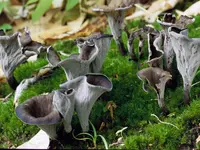
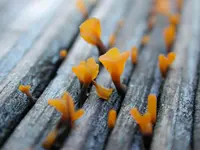
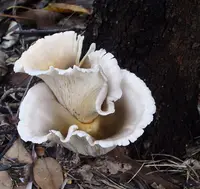
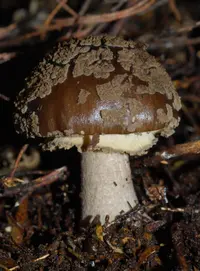
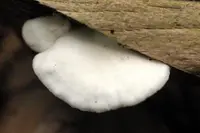
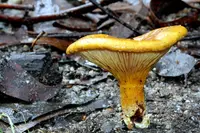
Roundspored oysterling, Crepidotus cesatii, is a small saprotrophic mushroom, not a leafy houseplant. It forms fan-shaped, stemless caps that sit directly on decaying wood, often in overlapping clusters. The caps are usually pale cream to light brown, with fine hairs when young and a smooth surface as they age.

This fungus is native to temperate regions and is commonly found in forests across Europe and parts of North America on rotting hardwood branches and logs. It is not usually grown indoors, and attempts to care for roundspored oysterling require very moist, cool, shaded conditions and consistently available dead wood. Its need for natural woodland substrates makes it challenging for casual growers.

Main Plant Requirements

Care Difficulty

Moderate Care

Light Preference

Shade

Water Requirements

Keep Soil Moist

Temperature Preference

Cool Climate

Hardiness Zone

Unknown

Soil Texture

Loamy, Silty, Organic-rich

Soil pH

Acidic (5.5–6.5), Slightly acidic (6.5–7.0)

Soil Drainage

Moist but well-drained

Fertilization

Minimal (feed rarely)

Get Personalized Care Plan

Scan your plant to receive care tips personalized for your specific plant

Available on iOS and Android

How to Care for the roundspored oysterling

This small saprotrophic mushroom prefers cool, shaded woodland light rather than direct sun exposure.

  • Provide bright shade or dappled light under trees, with no more than 1–2 hours of weak morning sun and no direct afternoon sun to prevent drying of the substrate.
  • Aim for conditions that mimic a forest floor: filtered light, consistent shade, and protection from strong wind and sun, which can desiccate roundspored oysterling clusters.
  • In summer, shield from high-angle sun with leaf litter or log overhangs; in cooler seasons, slightly more open but still shaded sites are acceptable if the substrate stays moist.

This fungus depends on consistently moist, not waterlogged, woody or leaf-litter substrate.

  • Maintain evenly moist conditions in the decaying wood or litter; the material should feel damp to the touch but never soggy or dripping when squeezed.
  • Allow only the upper 1–2 cm of surrounding soil or litter to begin to lose surface sheen before rewetting, using fine, gentle watering so Crepidotus cesatii does not dry out abruptly.
  • Increase moisture input during warm, windy weather and reduce it in cool, humid periods; watch for moldy, foul-smelling substrate as a sign of chronic waterlogging, and shrunken, brittle caps as a sign of underwatering.

This species favors cool to mild conditions typical of shaded forest floors.

  • Support active fruiting at about 50–68°F (10–20°C); growth often slows outside this range but can continue briefly when shifts are gradual and moisture is stable.
  • Protect from hard frost; tissue may be damaged below about 28°F (-2°C), although mycelium in sheltered wood can survive short, light freezes.
  • Limit exposure to sustained heat above 77–82°F (25–28°C), which quickly dries the substrate; in hot spells, deeper shade and higher humidity help buffer temperature swings.

This wood-inhabiting fungus prefers sustained high humidity for reliable fruiting.

  • Aim for 70–90% humidity around fruiting substrates to prevent caps from drying and cracking.
  • It tolerates brief dips to 50–60%, but prolonged dry air stops new roundspored oysterling mushrooms forming.
  • Watch for pale, shrunken caps and brittle margins as signs of low humidity stress.
  • Increase humidity by enclosing the log or substrate in a ventilated tent or tub and misting inner walls, not the caps directly.

This species does not grow in soil but on decaying wood or woody debris, so the substrate must mimic rotting hardwood rather than garden earth.

  • Use fully or partially decomposed hardwood logs, chips, or sawdust with high organic content and a loose, crumbly structure.
  • Ensure the woody substrate drains freely yet holds moisture, avoiding standing water that leads to anaerobic, foul-smelling conditions.
  • Slightly acidic conditions (around pH 5.5–6.5) typical of decomposing hardwood favor Crepidotus cesatii development.
  • Improve aeration by mixing coarse wood chips with finer sawdust or bark, and avoid compacted, mineral soil or heavily manured mixes.

This fungus can be grown in containers only when they act as holders for wood-based substrates rather than soil-filled pots.

  • Choose a shallow, wide, non-porous tub or tray that keeps wood pieces stable while limiting rapid moisture loss through the sides.
  • Raise the substrate on a mesh or perforated insert so excess water drains below without soaking the wood continuously.
  • Drill small ventilation holes above the drainage level to balance fresh air with moisture retention around the colonized wood.

This wild saprophytic fungus is not traditionally fertilized, as it feeds on decaying wood and leaf litter.

Crepidotus cesatii does not benefit from horticultural-style pruning, as its fruiting bodies are short-lived fungal structures on dead wood.

Transplanting is rarely relevant, since this fungus naturally colonizes decaying wood outdoors rather than growing as a container specimen.

  • If cultivation is attempted, move small colonized wood pieces instead of disturbing the mycelium in bulk.
  • Transplant only during mild, moist weather to limit drying of the substrate.
  • Keep the original orientation of the wood and avoid shaking or breaking it.
  • After moving, maintain consistent moisture around the new site without waterlogging.

Propagation of Crepidotus cesatii for home culture is uncommon and technically demanding, usually left to specialist mycologists.

This wood-inhabiting fungus is naturally cold hardy in its native range and needs no specific winter care outdoors.

Care Tips

Use Sterile Substrate

Prepare small wood-based substrates such as sterilized beech or oak sawdust or fine wood chips using a pressure cooker or autoclave to reduce competing fungi before inoculation.

Thin, Even Inoculation

Distribute spores or colonized substrate in a very thin, even layer across the wood surface so the mycelium can colonize quickly and outcompete molds rather than forming thick, anaerobic clumps.

High-Gas-Exchange Setup

Use containers or bags with micropore filters or loose-fitting lids that allow steady air exchange, since stale, CO₂-rich air suppresses fruiting and leads to weak, misshapen caps.

Cool-Mist Humidity Control

Run a cool-mist humidifier on an interval timer aimed near (not directly at) the culture area to hold a stable, high-humidity microclimate without wetting caps, which reduces bacterial blotches.

Clean-Handling Routine

Before any handling, disinfect tools and work surfaces with 70% isopropyl alcohol and work with clean gloves to reduce contamination, which is one of the main challenges when caring for roundspored oysterling in confined setups.

Common Pests and Diseases

fungal parasitism by other fungi

This disease occurs when competing wood-decay fungi colonize the same substrate and overgrow the roundspored oysterling, suppressing its fruiting bodies. Symptoms include distorted, stunted, or rapidly disappearing caps and replacement by a denser or differently colored fungal mat.

Solution

Remove and discard heavily overgrown substrate and any distorted fruiting bodies, then refresh with clean, well-seasoned hardwood material that is free from visible mold or other bracket fungi. Maintain good airflow and avoid overly wet, stagnant conditions on the wood surface to reduce competition and support stable Crepidotus cesatii care.

springtail grazing

These insects are tiny soil- and litter-dwelling arthropods that feed on fungal tissue and spores on very damp substrates. Symptoms include pitted or roughened cap surfaces and slow disintegration of young fruiting bodies, often seen in very moist, organic debris or culture trays.

Solution

Reduce excess surface moisture, improve ventilation, and avoid standing water in or around the fruiting area so the substrate remains damp but not saturated. Where infestations are heavy, gently remove and dispose of the most damaged fruiting bodies and top layer of litter, then rebuild with fresh, clean organic material and maintain moderate, stable humidity.

fungal gnat larvae

These insects lay eggs in very moist organic matter, and the larvae feed on developing fungal tissue and mycelium. Symptoms include collapsed, water-soaked caps and thinning or patchy mycelial growth in culture containers or very wet log and mulch environments.

Solution

Allow the surface of the substrate to dry slightly between misting while keeping internal moisture adequate, and increase air movement around the fruiting area. Cover containers or culture trays with fine mesh, remove and discard damaged fruiting bodies, and avoid using decomposing potting mixes that favor gnat breeding.

bacterial blotch

This disease develops in persistently wet, poorly ventilated conditions where bacteria colonize the cap surface. Symptoms include greasy, water-soaked spots that turn brown or yellow, leading to soft, collapsing patches on the fruiting bodies.

Solution

Reduce direct water on caps by misting the surrounding air or substrate instead of the fruiting bodies, and increase ventilation to dry surfaces more quickly. Remove and discard visibly affected clusters and avoid overcrowding on the substrate so air can move freely around each fruiting body.

Interesting Facts

Tiny fan-shaped caps

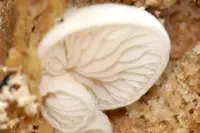
This species forms small, fan- to shell-shaped caps that usually stay under 1 cm wide and grow directly from dead wood without visible stems, often overlapping in clustered tiers.

Microscopic round spores

Unlike many related Crepidotus species that have ellipsoid (egg-shaped) spores, this fungus is distinguished by nearly round, minutely ornamented spores that give it the common name roundspored oysterling.

Cold-season fruiting

In many temperate regions, it commonly produces fruiting bodies in cool, damp conditions of late autumn to winter, helping to continue wood decomposition when many other fungi are less active.

FAQs about roundspored oysterling

This small wood-inhabiting fungus is not considered edible. It is too insubstantial for culinary use and poorly documented for safety. Foragers should avoid consuming it and focus on better-known, well-identified edible species instead.

Grow Healthy Plants with Botan Care

Keep your plants happy and healthy with plant identification, disease detection, and easy care guidance.

Botan plant care app — identify plants on mobile

Explore More Plants