Tricholoma populinum Care

Tricholoma populinum

About Tricholoma populinum

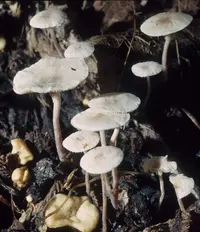
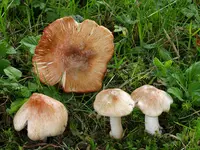
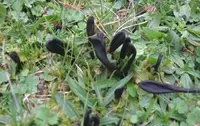
Tricholoma populinum is not a plant but a ground-dwelling fungus, often called a mushroom, that forms close associations with poplar trees. It produces fleshy, pale to reddish-brown caps with thick, whitish stems emerging from soil rich in leaf litter.

This species occurs mainly in temperate regions of Europe and parts of North America, typically in sandy or loose soils beneath poplars. It can be locally abundant but appears only in suitable seasons and habitats, which makes it unreliable for casual cultivation.

Environmental dependence on specific tree partners and soil conditions makes it challenging to grow intentionally. For most people, learning how to care for Tricholoma populinum focuses on recognizing and respecting its natural habitat rather than trying to cultivate it at home.

Main Plant Requirements

Care Difficulty

Hard Care

Light Preference

Partial Shade

Water Requirements

Keep Soil Moist

Temperature Preference

Cool Climate

Hardiness Zone

Unknown

Soil Texture

Sandy, Loamy, Organic-rich

Soil pH

Acidic (5.5–6.5)

Soil Drainage

Moist but well-drained

Fertilization

Minimal (feed rarely)

Get Personalized Care Plan

Scan your plant to receive care tips personalized for your specific plant

Available on iOS and Android

How to Care for the Tricholoma populinum

This ectomycorrhizal fungus relies on light conditions that suit its pine host rather than direct sun on the fruiting bodies.

  • Aim for sites with bright conditions for the pine stand but only 1–3 hours of gentle, dappled light reaching the forest floor where mushrooms develop.
  • Partial shade under mature pines is ideal; avoid exposed clearcuts or full midday sun that can dry the litter layer and shorten fruiting duration.
  • In late summer to autumn, choose east- or north-facing pine edges where canopy gaps give cool, filtered light rather than harsh afternoon exposure.

Moist but not waterlogged soil around the pine roots supports the mycelium that produces this mushroom.

  • Maintain evenly moist, well-drained sandy or sandy-loam soil; the top 2–4 cm should feel slightly damp, not soggy or powder-dry.
  • During dry spells, irrigate the pine stand deeply when the soil surface dries and needles feel crisp, then allow excess water to drain fully.
  • Watch for signs of overwatering such as standing water, sour smell, or moss overgrowth, and for underwatering such as shrinking, brittle litter and prematurely cracking caps of Tricholoma populinum.

This species fruits best in cool to mild conditions typical of late-season pine forests.

  • Optimal fruiting usually occurs around 50–60°F (10–16°C), often in late summer to autumn when soil has cooled but is not cold.
  • Mycelium in the soil can tolerate down to about 30°F (-1°C), but hard freezes below 28°F (-2°C) can damage exposed fruiting bodies.
  • Sustained heat above 77°F (25°C) with dry air shortens lifespan of mushrooms; cooler nights and moderate daytime temperatures favor stable flushes.

Humidity is not a key factor for this soil-dwelling mushroom species, which relies more on suitable soil and host trees than air moisture.

This ectomycorrhizal mushroom requires specific outdoor soil conditions and cannot be reliably grown in standard garden or potting setups.

  • Prefers loose, sandy to sandy-loam soil with abundant buried pine litter or old roots, mimicking its typical habitat near pine trees.
  • Requires rapid drainage; waterlogged or compacted ground suppresses mycelium development and encourages competing fungi and rot organisms.
  • Performs best in slightly acidic soil, around pH 5.0–6.5, where pine needles and conifer litter naturally acidify and structure the top layer.
  • To encourage Tricholoma populinum, work in coarse sand and well-decomposed conifer litter rather than composted manure or high-lime amendments.

This species is not suitable for true container growing, as it depends on ectomycorrhizal association with living pine roots in open soil.

This ectomycorrhizal fungus associates with pine roots and usually does not benefit from direct fertilization.

As a wild, soil-dwelling fungus, this species is not pruned in the way ornamental plants are managed.

This forest mushroom is not suited to typical container culture, so transplanting focuses on maintaining its pine-associated habitat.

  • Transplant only when moving colonized soil or duff beneath compatible pine trees, keeping material as intact as possible.
  • Work in cool, moist weather to limit drying of the mycelium and reduce stress on the fungal network.
  • Transfer a generous volume of surrounding soil so roots and fungal threads remain connected and undisturbed.
  • Water the new site lightly after moving to settle soil contact, then maintain natural leaf litter cover.

Propagation of Tricholoma populinum is technically complex and rarely attempted outside research or specialized cultivation.

In its natural range this fungus is cold hardy and typically needs no special winter care beyond normal forest conditions.

Care Tips

Host tree pairing

Establish the fungus near mature pine trees with undisturbed root zones, since this species is mycorrhizal and relies on forming nutrient-exchange partnerships with living pines rather than growing in isolated beds.

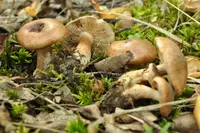
Soil disturbance control

Limit digging, raking, and heavy foot traffic in the fruiting area because disruption of the upper 5–10 cm of soil and litter can damage the mycelium network and sharply reduce future mushroom flushes.

Litter layer management

Maintain a moderate, natural layer of pine needles over the colonized soil, topping up with clean, untreated needles if needed so the mycelium stays shaded, insulated, and protected from rapid drying and temperature swings.

Moisture pulse scheduling

If supplemental watering is used, apply deep, infrequent soakings that mimic natural rainfall rather than light daily sprinkling, then allow the surface to partially dry to reduce pathogen pressure on the mycelium.

Fruiting zone marking

Flag or discreetly mark productive fruiting patches so future site maintenance, mowing, or landscaping avoids those areas, which supports long-term stability when caring for Tricholoma populinum.

Common Pests and Diseases

Mycophagous insects

These insects feed directly on fruiting bodies, causing pits, tunnels, and rapid decomposition. Symptoms include softening caps, discolored bite marks, and premature collapse of mushrooms.

Solution

Remove and discard heavily damaged fruiting bodies to reduce insect breeding sites, and harvest mushrooms promptly when mature. Use fine mesh netting over the fruiting zone or physical barriers on the soil surface to limit access, and maintain good sanitation by clearing spent mushrooms and plant debris from the pine stand when caring for Tricholoma populinum.

Fungal parasitism

This disease is caused by other fungi colonizing the caps or gills, often appearing as fuzzy, slimy, or discolored growth on the mushroom surface. Symptoms include malformed fruiting bodies, off-odors, and rapid breakdown of tissue.

Solution

Remove and destroy any parasitized mushrooms immediately and avoid walking or collecting through obviously contaminated patches to limit spore spread. Reduce excess surface moisture by avoiding overhead watering near fruiting zones and improve air movement at ground level with careful thinning of ground cover without disturbing host pine roots.

Bacterial blotch

This disease produces water-soaked, greasy, or yellow-brown spots on caps that can spread and cause the mushroom to rot. Symptoms include slimy patches and a sour or unpleasant smell on affected fruiting bodies.

Solution

Harvest only dry, firm mushrooms and discard any with slimy or sunken lesions. Limit free water on caps by avoiding irrigation that wets the fruiting area before and during flushes, and improve drainage and air circulation under the pines to help surfaces dry quickly after rainfall.

Slug and snail feeding

These mollusks chew irregular holes and gouges in caps and stems, often leaving slime trails on or around the mushrooms. Symptoms include missing tissue along cap edges and shallow craters in the flesh.

Solution

Hand-pick slugs and snails in the evening or early morning and remove nearby hiding spots such as boards, dense litter, and stones. Use copper tape barriers, coarse grit rings, or iron phosphate bait placed away from the main fruiting zone to reduce populations without contaminating the mushrooms.

Mite infestation

These tiny arthropods feed on mushroom tissue and spores, creating fine scarring, speckling, or powdery residues on caps and gills. Symptoms include slightly deformed caps, reduced spore production, and a dusty appearance on the undersides of mushrooms.

Solution

Collect and remove affected mushrooms promptly to limit mite build-up and their movement to new fruiting bodies. Keep the surrounding pine litter moderately clean, avoid piling very wet organic waste near fruiting spots, and if cultivation is attempted under controlled conditions, lower humidity slightly and improve ventilation to make conditions less favorable for mites.

Interesting Facts

Strict poplar associate

This mushroom forms ectomycorrhizal partnerships specifically with poplar trees, especially trembling aspen and related Populus species, and is rarely found away from them.

Late-season fruiting

It is a typical late autumn species, often appearing after many other mushrooms have disappeared, and commonly fruits in large, dense groups under poplars on sandy or disturbed soils.

Edible but niche

In parts of northern and eastern Europe it is collected and eaten, but opinions on its flavor are mixed and it is not widely traded or cultivated, so it remains a local, foraged species rather than a commercial one.

Botan icon

Did you know?

This species is considered a characteristic component of certain poplar-dominated forest and shelterbelt communities in Eurasia, so its presence can be used by field mycologists as an indicator of long-standing Populus habitat and relatively undisturbed soil fungal networks.

FAQs about Tricholoma populinum

This mushroom is considered edible in some regions but is not recommended for beginners. It can be confused with toxic Tricholoma species, and some individuals report digestive upset. Only experts should consume it, after careful identification.

Grow Healthy Plants with Botan Care

Keep your plants happy and healthy with plant identification, disease detection, and easy care guidance.

Botan plant care app — identify plants on mobile

Explore More Plants