Mulch Collar Management
Keep a 3–5 cm organic mulch collar around the clump but pull it back 2–3 cm from the crowns in late spring to prevent rot while still conserving root moisture.

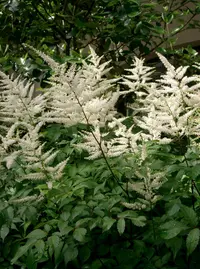
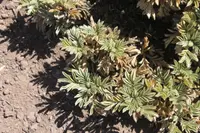
Florist's spiraea, Astilbe japonica, is a herbaceous perennial grown mainly for its feathery plumes and finely divided, often glossy, green foliage. It forms neat clumps and sends up upright flower spikes in shades of white, pink, or red, giving a soft, textured look to shaded beds and borders.
This species is native to moist woodlands and stream edges in Japan, so it adapts well to cool, humid garden spots. It prefers consistently moist soil and partial shade, which also makes it suitable for sheltered patios or shaded containers. Understanding these natural conditions helps gardeners know how to care for florist's spiraea with less trial and error.

Care Difficulty
Moderate Care

Light Preference
Partial Shade

Water Requirements
Keep Soil Moist

Temperature Preference
Cold Hardy

Hardiness Zone
4–8

Soil Texture
Loamy, Peaty, Organic-rich

Soil pH
Acidic (5.5–6.5), Slightly acidic (6.5–7.0)

Soil Drainage
Moist but well-drained

Fertilization
Light (every 4–6 weeks)
Scan your plant to receive care tips personalized for your specific plant
Available on iOS and Android
Astilbe japonica prefers cool, filtered light to support strong foliage and flower spikes.
This plant needs consistently moist, cool soil to perform well during the growing season.
This shade perennial prefers cool to moderate temperatures and tolerates substantial winter cold once established.
This species prefers consistently moist air but copes in average outdoor humidity if soil never dries out.
Astilbe japonica performs best in loose, moisture-retentive soil that never dries completely.
This species can grow successfully in containers if moisture and root space are carefully managed.
Astilbe japonica benefits from steady, moderate nutrition to support foliage and flower production.
Astilbe japonica needs light, timed pruning to stay tidy and support healthy growth.
Astilbe japonica is most often grown in beds and benefits from occasional lifting and division rather than frequent repotting.
Astilbe japonica is commonly propagated by division, with seed used mainly for breeding or larger projects.
Astilbe japonica is generally cold hardy in temperate climates and needs only modest winter care in the ground.

Plant Health Check
Not sure what's wrong with your plant? Check your plant's health inside the app.
Astilbe japonica cultivars show a wide range of flower colors due to differences in anthocyanin and carotenoid pigments, and breeders have selected lineages with especially stable color expression under varying light and soil conditions.
In its native range in Japan, this species commonly grows along cool, moist forest streams and ravines, which explains its strong preference for consistently damp, humus-rich soils and partial shade in cultivation.
A. japonica forms dense, slowly expanding clumps via short rhizomes, and established plants can persist in the same site for many years with minimal division, maintaining distinct, upright flower plumes rather than spreading aggressively.

Astilbe japonica was one of the key parent species used in late 19th- and early 20th-century European hybridization programs, and many modern hybrid astilbes grown worldwide still trace their genetics back to these early Japanese introductions.
Poor flowering usually comes from too little light, dry soil at bud time, or excess nitrogen fertilizer. Old, crowded clumps also bloom less; dividing every 3–4 years restores vigor and increases flower production.
Keep your plants happy and healthy with plant identification, disease detection, and easy care guidance.