Shallow Seed Sowing
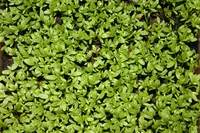
Scatter seed on the soil surface and cover with only 2–3 mm of fine soil or sand, as the tiny seeds need light and close-to-surface conditions to germinate evenly.

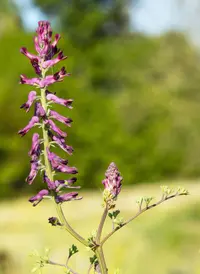
Common fumitory (Fumaria officinalis) is a delicate annual herb often found in fields, hedgerows, and disturbed ground across Europe and many temperate regions. It has finely divided, gray-green leaves and slender, scrambling stems that can weave through nearby plants without becoming woody.
The plant produces small tubular pink flowers with darker tips, usually in loose clusters along the stems, giving a soft, airy look. It tends to self-seed readily where conditions suit it, which can make it persistent once established.
Common fumitory prefers open, sunny to lightly shaded sites with well-drained, moderately fertile soil. Understanding these basic needs makes it easier to care for Common Fumitory in a garden setting.

Care Difficulty
Easy Care

Light Preference
Partial Sun

Water Requirements
Moderate Water

Temperature Preference
Cool Climate

Hardiness Zone
5–9

Soil Texture
Sandy, Loamy, Silty

Soil pH
Slightly acidic (6.5–7.0), Neutral (7.0)

Soil Drainage
Well-drained

Fertilization
Minimal (feed rarely)
Scan your plant to receive care tips personalized for your specific plant
Available on iOS and Android
This soft annual prefers gentle light levels rather than intense, all-day sun.
This plant favors slightly moist, free-draining soil and dislikes prolonged saturation.
This species grows best in cool to mild outdoor conditions and does not tolerate extreme heat or hard frost well.
This species tolerates a wide humidity range and usually does not need special humidity control indoors or outdoors.
This annual prefers light, free-draining soil that does not stay wet for long periods.
This species can be grown in containers for seasonal display if provided with shallow, free-draining conditions.
This wild annual typically needs no fertilizer in average garden soil, so feeding is optional and should stay light.
Pruning Fumaria officinalis is minimal and mainly helps tidy plants and extend flowering.
This annual is rarely kept long-term in containers, so focus on gentle transplanting rather than repeated repotting.
Fumaria officinalis is most commonly propagated by seed, which germinates best in cool, moist conditions.
This species behaves as a cool-season annual and generally needs no special winter care in mild climates.

Plant Health Check
Not sure what's wrong with your plant? Check your plant's health inside the app.
This species is a small, delicate annual herb native to Europe and western Asia that has spread widely as an arable weed in cereal fields and disturbed soils across temperate regions.
Its pale, bluish-green leaves are finely divided into many small lobes, giving a soft, feathery appearance that helps distinguish it from many other field weeds.
The pink to purplish tubular flowers have a short spur at the back and are arranged in dense racemes, an adaptation that guides visiting insects toward the nectar and pollen while promoting cross-pollination.

Historically, this plant was sometimes used as a traditional dye source, providing soft yellowish tones when its aerial parts were processed and fixed on textiles with suitable mordants.
This species self-seeds freely and can form scattered drifts in cultivated soil but is usually shallow-rooted and easy to pull. In most temperate gardens it behaves as a mild, manageable self-seeding annual rather than a serious invasive.
Keep your plants happy and healthy with plant identification, disease detection, and easy care guidance.