Staggered Succession Sowing
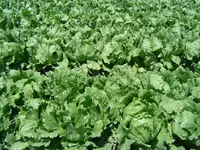
Sow small batches every 3–5 days in shallow rows or trays so foliage stays young and tender and you avoid a single large, quickly overmaturing crop.

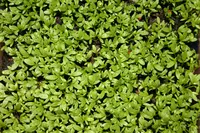
Gardencress pepperweed, Lepidium sativum, is a fast-growing annual herb in the mustard family, often grown for its peppery, tender leaves and sprouts. It has small, bright green foliage and a shallow root system, and is usually harvested young rather than grown as a long-lived plant. In the wild it occurs in parts of North Africa and Southwest Asia, but it is now widely cultivated and naturalized in many temperate regions. This plant is considered easy to grow because it germinates quickly, tolerates cool conditions, and adapts to containers and small spaces. It prefers consistent moisture, modest light, and reasonably fertile, well-drained soil, which makes it simple to care for gardencress pepperweed at home.

Care Difficulty
Easy Care

Light Preference
Full Sun

Water Requirements
Keep Soil Moist

Temperature Preference
Cool Climate

Hardiness Zone
2–11

Soil Texture
Loamy, Sandy, Organic-rich

Soil pH
Acidic (5.5–6.5), Slightly acidic (6.5–7.0)

Soil Drainage
Moist but well-drained

Fertilization
Light (every 4–6 weeks)
Scan your plant to receive care tips personalized for your specific plant
Available on iOS and Android
Lepidium sativum grows best with bright exposure but is sensitive to strong, hot sun.
This shallow‑rooted herb needs consistently moist but not waterlogged soil.
This cool‑season herb prefers mild conditions and declines in strong heat or hard frost.
Lepidium sativum tolerates a wide humidity range and rarely needs special humidity management.
This species grows best in loose, moist, well-drained soil that allows quick root development.
This species is very suitable for container growing.
Lepidium sativum grows fast and usually needs only light feeding in typical home setups.
Pruning Lepidium sativum focuses on frequent harvesting rather than structural shaping.
Transplanting Lepidium sativum is minimal because it is usually grown as a short-lived crop in shallow containers or beds.
New Lepidium sativum plants are almost always raised from seed rather than cuttings or division.
Lepidium sativum is cool-season and short-lived, so winter care mainly applies to extended or indoor sowings.

Plant Health Check
Not sure what's wrong with your plant? Check your plant's health inside the app.
Garden cress can reach harvestable size as a microgreen in about 7–10 days from sowing, which is unusually fast compared with many other edible species.
The leaves and shoots contain glucosinolates, sulfur-containing compounds also found in mustard and broccoli, which break down into pungent molecules that give garden cress its sharp, peppery taste.
Archaeological and historical records indicate that garden cress has been cultivated in parts of the Middle East and Mediterranean region for many centuries as a salad and seasoning plant.

Garden cress seeds are strongly mucilaginous, meaning they form a slippery gel-like coating when soaked in water, which allows the seeds to adhere easily to substrates such as cotton or paper for sprouting without soil and is a key feature used in many seed-germination tests in plant science.
All above-ground parts are edible and commonly used as a peppery salad green or garnish. Harvest young leaves and shoots for the best flavor. Flowers and immature seedpods are also edible, though usually sharper and more pungent.
Keep your plants happy and healthy with plant identification, disease detection, and easy care guidance.