Pinch After Flowering
Lightly trim back spent flowering stems by 2–3 cm after the main bloom flush to keep the plant compact and encourage a denser cushion of new shoots for the next season.

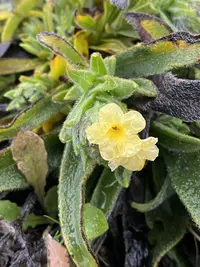
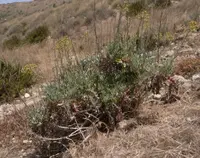
Alkanna graeca is a low-growing perennial from dry, rocky habitats in the eastern Mediterranean. It forms compact clumps with narrow, often hairy leaves and bright blue flowers. The plant typically blooms in late spring to early summer and attracts pollinators such as bees. Its tough, fibrous roots help it cope with poor, stony soils. This species suits rock gardens, gravel borders, and other well-drained sites that mimic its natural environment. It prefers full sun, low to moderate moisture, and gritty, free-draining soil. These traits make it relatively easy to grow where winters are not extremely wet, provided you understand how to care for Alkanna graeca.

Care Difficulty
Moderate Care

Light Preference
Full Sun

Water Requirements
Low Water

Temperature Preference
Warm Climate

Hardiness Zone
7–10

Soil Texture
Sandy, Loamy, Rocky

Soil pH
Slightly acidic (6.5–7.0), Neutral (7.0)

Soil Drainage
Well-drained

Fertilization
Minimal (feed rarely)
Scan your plant to receive care tips personalized for your specific plant
Available on iOS and Android
This sun-loving Mediterranean perennial thrives in bright, open sites with limited summer shade.
This species prefers dry, well-drained conditions and is sensitive to prolonged soil wetness.
This hardy plant is adapted to warm, dry summers and cool, not severely cold, winters.
This Mediterranean subshrub prefers relatively dry air and usually does not need extra humidity management indoors or outdoors.
Alkanna graeca thrives in lean, very free-draining mineral soils that prevent waterlogging around the roots.
This species is suitable for container growing when the pot is set up to drain rapidly and stay relatively dry between waterings.
This dryland perennial from poor, rocky soils needs only light fertilization, if any, to stay healthy.
Pruning needs are minimal and focus on keeping plants tidy and flowering well.
This species is usually grown in the ground, so transplanting is more relevant than container repotting.
Propagation is typically done by seed, with division used more cautiously due to the taprooted habit.
This Mediterranean perennial shows good frost tolerance in well-drained soil and usually needs little winter care.

Plant Health Check
Not sure what's wrong with your plant? Check your plant's health inside the app.
This species is naturally restricted to parts of Greece and neighboring Balkan regions, where it grows on dry, rocky slopes and scrublands, often in calcareous soils rich in lime.
Alkanna graeca develops a strong, somewhat woody taproot that helps the plant access deeper moisture reserves, allowing it to persist through long, hot Mediterranean summers.
The leaves and stems are covered in fine hairs (a form of plant pubescence) that reduce water loss and protect tissues from intense sun and drying winds in its native habitats.
This species is a perennial, forming a woody or semi-woody base that survives for several years. Top growth may die back in harsh winters, but the rootstock usually resprouts when conditions warm again.
Keep your plants happy and healthy with plant identification, disease detection, and easy care guidance.