Field Blewit Care (Lepista saeva)

Field Blewit

About Field Blewit

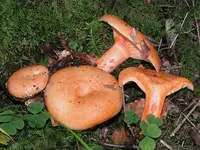
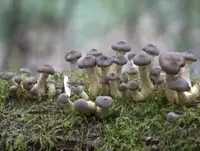
Field blewit, Lepista saeva, is a saprophytic mushroom that lives on decaying organic matter rather than forming typical green foliage. It forms sturdy, thick stems topped with smooth lilac to beige caps and crowded pale gills, usually appearing in loose groups or rings.

This species is native to Europe but has been reported in other temperate regions, often in grassy areas, pastures, and field edges with rich, undisturbed soil. It is considered a choice edible species, but correct identification is critical, which is the main factor that makes it challenging for beginners to care for Field Blewit. It prefers cool conditions, steady moisture, and nutrient-rich, well-drained ground with plenty of organic material.

Main Plant Requirements

Care Difficulty

Moderate Care

Light Preference

Partial Shade

Water Requirements

Keep Soil Moist

Temperature Preference

Cool Climate

Hardiness Zone

Unknown

Soil Texture

Loamy, Silty, Organic-rich

Soil pH

Acidic (5.5–6.5), Slightly acidic (6.5–7.0)

Soil Drainage

Moist but well-drained

Fertilization

Minimal (feed rarely)

Get Personalized Care Plan

Scan your plant to receive care tips personalized for your specific plant

Available on iOS and Android

How to Care for the Field Blewit

This fungus prefers cool, moist locations with soft light for reliable fruiting.

  • Provide 2–4 hours of gentle morning sun with bright, open shade or dappled light for the rest of the day.
  • Site Field Blewit beds on the north or east side of structures or under light tree canopy to avoid intense afternoon sun.
  • Protect from strong, direct midsummer sun, which dries the substrate and suppresses mushrooms; in low-light sites, expect fewer or smaller fruiting bodies.

This species relies on consistently moist but not waterlogged soil or mulch for stable fruiting.

  • Aim for soil that stays evenly damp to 5–8 cm depth; allow only the top 1–2 cm to start drying before irrigating again.
  • Use well-drained, organic-rich beds so excess water percolates away, preventing sour odors, standing water, or slimy mycelium mats from overwatering.
  • Increase irrigation during dry, windy weather and reduce it in cool, rainy periods; shrinking, cracking caps often signal long, dry spells.

This cool-season fungus fruits best in mild temperatures and struggles in prolonged heat or deep cold.

  • Support vegetative growth of Lepista saeva in a broad range around 45–70°F (7–21°C), with most fruiting commonly seen near 50–60°F (10–16°C).
  • Tolerate brief drops near 25°F (-4°C) in the soil, but expect surface fruiting bodies to be damaged by hard frost and repeated freeze–thaw cycles.
  • In hot spells above 80°F (27°C), shade and extra moisture help the bed stay cooler; many growers see strongest flushes in cool autumn conditions.

This mushroom species grows best in consistently moist, high-humidity conditions rather than dry air.

  • Aim for 70–90% humidity around developing caps and gills to support steady growth.
  • Dry air leads to cracked, tough caps and slow or uneven fruiting in Field Blewit clusters.
  • Raise humidity by misting the substrate surface, using a humidity tent, or adding open trays of water nearby without soaking the mycelium.

Lepista saeva fruits best in loose, organic-rich, well-aerated ground or prepared substrate.

  • Use a mix of garden loam, well-rotted compost, and leaf litter or straw to create a spongy, humus-rich layer.
  • Ensure the substrate drains freely yet stays evenly moist; standing water quickly causes bacterial problems and weak mycelium.
  • Target a slightly acidic to neutral pH around 6.0–7.0, avoiding very alkaline or strongly acidic areas that limit nutrient uptake.
  • Improve aeration by incorporating coarse organic material and avoiding heavy, compacted clay or areas repeatedly trampled.

This species can be grown in large containers outdoors if the vessel supports stable, moist, cool substrate.

  • Choose a deep, rigid tub or box that maintains lateral space for the expanding mycelial mat without rapid edge drying.
  • Drill multiple side and base holes so excess water exits while the lower layer remains evenly damp, not waterlogged.
  • Raise the container on blocks or a frame to reduce heat buildup on the base and improve air circulation around the substrate.

Lepista saeva, a soil-dwelling fungus, gains most nutrients from organic matter and usually needs no direct fertilization.

  • If grown in a controlled bed, incorporate well-rotted compost or manure into the substrate before planting rather than using synthetic fertilizers.
  • Maintain a rich, moist, organic layer with leaf litter or wood chips to support the mycelium’s long-term nutrition.
  • Avoid high-salt or strong chemical fertilizers, which can damage fungal hyphae; if used nearby, keep them very dilute and well away from the fruiting zone.

Lepista saeva does not require conventional pruning, since it is a mushroom-forming fungus rather than a leafy plant.

This fungus is usually grown in prepared beds, so focus on establishing and renewing the substrate rather than classic repotting.

  • Transplant or start new beds in cool, moist seasons, typically spring or fall, when mycelium handles disturbance better.
  • Use colonized substrate or spawn and move it gently into fresh, loose, organic-rich soil without breaking it into very fine pieces.
  • Keep the new bed evenly moist but not waterlogged for several weeks to reduce mycelial stress and encourage spread.
  • Container culture is uncommon; if attempted, refresh the organic substrate every 1–2 years when yield declines or colonization looks patchy.

Lepista saeva is typically propagated using spawn or colonized substrate instead of conventional plant methods like cuttings.

  • Obtain high-quality spawn from a reputable supplier to ensure genetic vigor and reduced contamination risk.
  • Establish new patches in cool, moist conditions in spring or fall, mixing spawn into well-drained, organic-rich soil or compost.
  • Maintain consistent moisture and moderate shade while the mycelium spreads; avoid drying out or waterlogging the bed.
  • Over time, portions of well-colonized substrate can be used to start additional beds, supporting a small home system for growing Field Blewit.

This cool-season fungus is relatively cold hardy and usually needs minimal winter care in garden beds.

  • In colder regions, apply a 3–5 cm mulch of leaf litter or straw over the bed to buffer freeze–thaw cycles around the mycelium.
  • Avoid deep soil disturbance in winter, which can break up the mycelial network and reduce later fruiting.
  • Container-based cultures, if used, are best overwintered in a cold but frost-free shed or garage to prevent complete freezing of the substrate.

Care Tips

Use spawn trays

Establish the fungus first in shallow trays or boxes filled with pasteurized straw or composted manure, then transplant colonized material as inoculum into outdoor beds for a more reliable start than direct spore sowing.

Layered bed building

When building an outdoor bed, alternate 5–8 cm layers of well-rotted manure or rich compost with straw or chopped leaves, tamping each layer lightly so the mycelium has close contact with both food and air pockets.

Edge moisture management

Create a 10–15 cm wide mulch collar of straw or coarse wood chips around the bed edges to slow drying winds and reduce edge dieback of the mycelium during warm spells.

Seasonal crop rotation

After 2–3 years, shift the main production bed 1–2 m and rebuild the substrate, as old beds accumulate competitors and pathogens and produce fewer and smaller fruiting bodies.

Slug and insect barriers

Use low, continuous copper tape or sharp grit bands around beds and harvest promptly to reduce slug damage and insect larvae that can quickly tunnel into caps when growing Field Blewit outdoors.

Common Pests and Diseases

Green mold

This disease appears as dense green patches that overgrow the developing mushroom mycelium and fruiting bodies, often starting in overly wet or contaminated substrate. Symptoms include stalled growth and a strong musty odor.

Solution

Remove and discard heavily contaminated substrate and fruiting blocks, reduce overall moisture, and increase fresh air exchange. For future batches, use properly pasteurized or sterilized substrate, clean tools and containers thoroughly, and avoid reusing substrate that has shown Trichoderma growth when growing Field Blewit.

Cobweb mold

This disease shows up as very fine, grey-white, cobweb-like growth that spreads rapidly over casing soil and young mushrooms, especially in stagnant, humid air. Symptoms include soft, watery spots and quick collapse of pins.

Solution

Isolate affected trays, then spot-treat the cobweb areas by lightly misting with 3% hydrogen peroxide solution and improving ventilation. Lower humidity slightly, avoid direct water on infected areas, and discard severely affected blocks to prevent spore spread.

Bacterial blotch

This disease causes yellow to brown, greasy-looking spots on caps, often where water droplets sit on the surface for long periods. Symptoms include slimy patches and sometimes an unpleasant odor on older lesions.

Solution

Reduce overhead misting, avoid standing water on caps, and improve air movement to dry surfaces between watering cycles. Remove and discard badly affected mushrooms, keep tools and hands clean, and lower humidity into the recommended range for Lepista saeva care instructions during fruiting.

Sciarid flies

These insects, also called fungus gnats, lay eggs in the substrate, and the larvae feed on mycelium and young pins, causing deformed or aborted mushrooms. This pest is attracted to overly wet, organically rich substrates and poor hygiene in the growing area.

Solution

Use fine mesh on vents, sticky traps for adults, and keep the grow area clean and free of rotting organic debris. Allow the top layer of substrate or casing to become slightly less wet between mistings, and discard heavily infested blocks to break the life cycle.

Mite infestation

These pests are tiny, pale or reddish mites that move over substrate and mushroom surfaces, feeding on mycelium, spores, and sometimes tissue, leading to slow growth and pitted or deformed caps. Symptoms include fine speckling on caps and visible moving dots under close inspection.

Solution

Quarantine affected cultures, remove and discard heavily infested blocks, and clean the growing area thoroughly, including racks and trays. For prevention, keep the environment dry between batches, avoid storing grain or compost nearby, and source spawn and substrate from clean, reputable suppliers to reduce mite introduction.

Interesting Facts

Cold-season fruiting

This mushroom typically fruits in late autumn to early winter, often continuing after the first frosts, which is unusually late compared with many other common woodland fungi.

Pasture and grassland specialist

It is strongly associated with nutrient-rich permanent grasslands, lawns, and pastures rather than forests, often appearing in open fields, meadows, and along grassy tracks.

Conspicuous violet tints

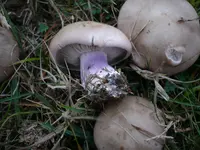
Mature specimens often show lilac to violet tones on the gills and sometimes the stem, which helps distinguish it from similar pale brown field mushrooms and is a key feature for Lepista saeva identification.

Botan icon

Did you know?

In some parts of Europe, this species is known to form long, curved or circular fruiting patterns known as fairy rings in grassland, sometimes persisting and enlarging in the same pasture for many years as the underground mycelium slowly expands.

FAQs about Field Blewit

This mushroom is considered edible when correctly identified and thoroughly cooked, but it can cause digestive upset in some people. Only experienced foragers should harvest it, and all specimens must be confirmed against toxic look-alikes.

Grow Healthy Plants with Botan Care

Keep your plants happy and healthy with plant identification, disease detection, and easy care guidance.

Botan plant care app — identify plants on mobile

Explore More Plants