Leaf mulch layering
Maintain a 3–5 cm layer of shredded leaf mulch around the plants year-round to mimic woodland litter, keep roots cool, and reduce moisture loss while slowly improving soil structure.

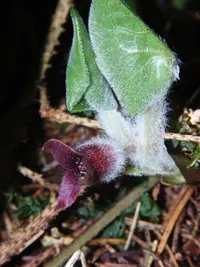
European wild ginger, Asarum europaeum, is a low-growing, evergreen groundcover valued for its glossy, round, dark green leaves. It forms dense, slowly spreading clumps that stay attractive through much of the year in mild climates.
This species is native to shaded woodlands in Europe, where it grows in cool, moist, humus-rich soils under trees and shrubs. Its discreet, bell-shaped flowers are usually hidden beneath the foliage and are not the main ornamental feature.
Asarum europaeum suits gardeners looking for a shade-tolerant, relatively low-maintenance plant, as long as soil does not dry out for long periods. Understanding how to care for European wild ginger mainly involves providing consistent moisture, shade, and well-drained organic soil.

Care Difficulty
Moderate Care

Light Preference
Shade

Water Requirements
Keep Soil Moist

Temperature Preference
Cold Hardy

Hardiness Zone
3–7

Soil Texture
Loamy, Silty, Organic-rich

Soil pH
Acidic (5.5–6.5), Slightly acidic (6.5–7.0)

Soil Drainage
Moist but well-drained

Fertilization
Minimal (feed rarely)
Scan your plant to receive care tips personalized for your specific plant
Available on iOS and Android
This shade-loving groundcover prefers cool, sheltered light conditions under trees or shrubs.
This plant prefers consistently moist, cool soil but is sensitive to both drying out and standing water.
This woodland perennial is hardy in cool to cold climates but grows best in moderate temperatures.
This woodland groundcover prefers moderately moist air similar to shaded outdoor conditions.
Asarum europaeum prefers cool, loose, organic-rich soil that stays evenly moist but never waterlogged.
This species adapts well to container growing when moisture and root space are carefully managed.
This woodland perennial grows well in rich soil and needs only light feeding to support steady growth.
Asarum europaeum needs minimal pruning, mainly for cleanliness and disease prevention rather than shaping.
This species is usually grown as a groundcover, so transplanting in the garden is more common than container repotting.
Asarum europaeum is most reliably multiplied by division, with seed used mainly for patient growers.
This plant is cold hardy in much of the US and usually needs little special winter care in the ground.

Plant Health Check
Not sure what's wrong with your plant? Check your plant's health inside the app.
This species keeps its glossy, dark green leaves year-round in mild climates, forming a stable evergreen carpet under trees and shrubs.
Its small purplish-brown flowers are shaped like tiny jugs and develop at soil level, often hidden beneath the foliage and leaf litter.
The seeds carry a fatty appendage called an elaiosome that attracts ants, which transport the seeds away from the parent plant and help spread the population.

Historically, the rhizomes of this plant were used in parts of Europe as a pungent substitute for true ginger, although the species contains irritating compounds and is no longer recommended for culinary use.
This species spreads slowly to moderately by short rhizomes, forming dense clumps over several years. It is usually considered a well-behaved ground cover, not an aggressive runner, but can gradually fill shady beds if conditions are ideal.
Keep your plants happy and healthy with plant identification, disease detection, and easy care guidance.