Lyall's angelica Care (Angelica arguta)

Also known as: Sharptooth Angelica
Lyall's angelica

About Lyall's angelica

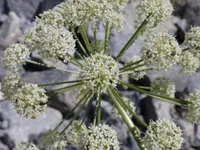
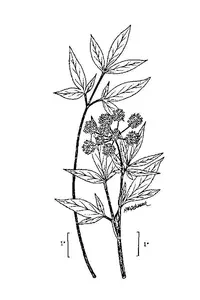
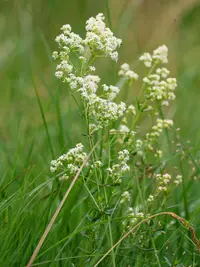
Lyall's angelica (Angelica arguta) is a hardy perennial in the carrot family, typically forming tall, upright clumps with hollow stems and divided, toothed leaves. It produces broad, domed clusters of small white to greenish flowers that attract pollinators and give the plant a bold, architectural look in summer.

This species is native to moist mountain meadows, stream banks, and open woodland edges in western North America. It prefers cool conditions, consistent moisture, and deep, well-drained soil, which can make it more challenging in hot or very dry gardens. Gardeners who learn how to care for Lyall's angelica often grow it for a naturalistic, wild meadow effect.

Main Plant Requirements

Care Difficulty

Moderate Care

Light Preference

Partial Shade

Water Requirements

Keep Soil Moist

Temperature Preference

Cold Hardy

Hardiness Zone

4–8

Soil Texture

Loamy, Silty, Organic-rich

Soil pH

Acidic (5.5–6.5), Slightly acidic (6.5–7.0)

Soil Drainage

Moist but well-drained

Fertilization

Minimal (feed rarely)

Get Personalized Care Plan

Scan your plant to receive care tips personalized for your specific plant

Available on iOS and Android

How to Care for the Lyall's angelica

This mountain perennial prefers cool conditions with moderate sun exposure and consistent moisture.

  • Provide 4–6 hours of morning sun with light afternoon shade; dappled or filtered light suits Lyall's angelica in warmer lowland sites.
  • In cooler coastal or upland climates, it tolerates more open sun if soil stays moist and roots are shaded by mulch or nearby plants.
  • Avoid harsh afternoon sun, which can scorch foliage and dry soil quickly; too much shade causes weak, leggy stems and reduced flowering.

This species prefers consistently moist, cool soil without remaining waterlogged.

  • Water when the top 2–3 cm of soil feel slightly dry, aiming to keep the root zone evenly damp, especially during active growth in spring and early summer.
  • Use deep, slow watering so moisture reaches 15–20 cm deep; pair with well-drained, humus-rich soil to prevent standing water and root rot.
  • In hot, dry weather, increase checks for wilting or drooping leaves, but reduce watering slightly in late autumn as Angelica arguta dies back.

This plant is adapted to cool, montane climates and handles cold better than heat.

  • Optimal growth occurs around 50–70°F (10–21°C), especially during spring and early summer when stems and foliage elongate.
  • Mature clumps tolerate winter lows near 0°F (-18°C) with mulch and snow cover, but young plants benefit from protection from severe freeze–thaw cycles.
  • Extended heat above 80–85°F (27–29°C) stresses plants; provide extra shade and moisture in heatwaves and avoid planting in heat-reflecting, exposed sites.

This species prefers moderate, consistently moist air but usually adapts to typical outdoor humidity in cool climates.

  • Aim for 50–70% humidity, especially in warmer, windy sites where foliage dries quickly.
  • Dry air stress shows as limp, curling leaf edges and faster wilting between waterings.
  • In hot, dry spells, caring for Lyall's angelica outdoors is easier if you group plants and use mulch to slow evaporation.

Angelica arguta performs best in cool, moist, deep soil that stays aerated and never waterlogged.

  • Use a rich loam with high organic matter, such as 2 parts garden soil, 2 parts compost, and 1 part coarse sand or fine grit.
  • Ensure free drainage so water moves through but the soil still holds moisture; avoid compacted or heavy clay that stays soggy.
  • Aim for slightly acidic to neutral pH, around 6.0–7.0, which supports nutrient availability and root health.
  • Improve aeration by working in leaf mold or composted bark to a depth of 20–30 cm before planting.

This plant can be grown in containers, but pots must support its deep root system and tall, top-heavy growth.

  • Choose a deep, heavy container to anchor tall flowering stems and reduce tipping in wind.
  • Select a potting mix that retains moisture yet drains freely, such as peat-free compost blended with coarse sand or grit.
  • Raise the container on feet or bricks so drainage holes stay clear and excess water escapes quickly during rain storms.

Angelica arguta benefits from light, thoughtful feeding rather than heavy fertilization, especially in garden soils with some organic matter.

  • Apply a thin layer of compost around clumps in early spring to support strong leafy growth when growing Lyall's angelica.
  • Use a balanced, slow-release fertilizer (around 10-10-10) at half strength once in spring if soil is poor.
  • Avoid summer overfeeding; excess nitrogen can cause lush but weak stems prone to lodging.
  • Stop fertilizing in late summer; do not feed during winter dormancy to prevent soft, frost-tender growth.

Angelica arguta needs only minimal pruning to keep plants tidy and focused on healthy flowering.

  • Cut back spent flower stalks after seed set in late summer to prevent unwanted self-seeding and tidy the clump.
  • Remove dead, damaged, or diseased stems at the base with clean, sharp pruners to reduce fungal problems.
  • Thin out congested shoots in spring, leaving spaced stems that allow better air flow and sturdier growth.
  • Avoid heavy cutting into young growth, which can weaken the plant and reduce next season’s flowering.

This species is usually grown in the ground, so focus on careful transplanting rather than frequent repotting.

  • Transplant Angelica arguta in early spring or early fall when temperatures are mild and soil moisture is even.
  • Move plants only when necessary; look for stunted growth, root circling in containers, or poor establishment as signs.
  • Lift with a generous root ball, keep roots shaded and moist, and replant at the same depth in well-drained soil.
  • Water thoroughly after transplanting, then keep the root zone evenly moist for several weeks to limit transplant shock.

Angelica arguta is most reliably propagated from fresh seed rather than by division or cuttings.

  • Collect seeds when umbels turn brown, then sow promptly in late summer or fall for best viability.
  • Use a deep tray or pots with free-draining, humus-rich mix and sow seeds on or just beneath the surface.
  • Expose sown containers to cool outdoor conditions; natural winter chilling supports germination in spring.
  • Keep the medium consistently moist, then prick out seedlings carefully once they have 2–3 true leaves.

This species is generally cold hardy in temperate climates and needs only simple winter care in the garden.

  • Tolerates typical frost in many USDA temperate zones, especially in well-drained soils.
  • Apply a 5–8 cm mulch of leaf mold or compost around the crown in late fall, keeping the stem bases uncovered.
  • Leave dead stems standing in colder sites for extra crown insulation, cutting them back in early spring.
  • For container plants in colder regions, move pots to a sheltered, unheated space to reduce root freezing risk.

Care Tips

Stake Early

Install sturdy stakes or a small peony-style ring when shoots reach 20–30 cm to prevent wind damage and stem splitting later in the season.

Mulch For Coolness

Apply a 5–8 cm layer of composted bark or leaf mold around, but not touching, the crown to keep roots cool, stabilize soil moisture, and reduce weed competition.

Succession Sowing

Start a small batch of seeds indoors in late winter and another directly outdoors in early spring so you have replacement plants if slugs, rot, or late frosts damage the first planting.

Slug And Snail Barriers

Protect young plants with physical barriers such as copper tape around containers or sharp grit around the base, checking and refreshing these barriers after heavy rain.

Post-Flower Reseeding

After flowering, leave a few seed heads to ripen fully on the plant for natural self-sowing, then cut and gently shake them over the soil where you want to continue growing Lyall's angelica.

Common Pests and Diseases

Leaf spot fungi

This disease causes small dark to tan spots on foliage that may merge into larger blotches, leading to premature yellowing and leaf drop in damp conditions.

Solution

Remove and discard affected leaves, avoid overhead watering, and improve spacing and airflow around plants; in persistently wet climates, apply a copper-based or chlorothalonil fungicide labeled for ornamental Umbelliferae, following label directions carefully as part of Angelica arguta care instructions.

Powdery mildew

This disease produces white, powdery patches on upper leaf surfaces and stems, often in late summer when days are warm and nights are cool.

Solution

Increase air circulation, avoid crowding, and water at soil level; remove heavily infected leaves and, if needed, use a sulfur or potassium bicarbonate fungicide that is labeled for edible or herbaceous plants, applying at the first sign of infection.

Aphids

These insects cluster on young stems, leaf undersides, and flower stalks, sucking sap and causing distorted growth and sticky honeydew that can attract sooty mold.

Solution

Dislodge colonies with a strong stream of water, pinch off heavily infested shoots, and introduce or encourage natural predators like lady beetles; if pressure remains high, apply insecticidal soap or horticultural oil, thoroughly coating leaf undersides and tender growth.

Carrot rust fly larvae

This pest lays eggs near the base of plants, and the larvae tunnel into roots and lower stems, causing stunting, wilting, and brown feeding scars below soil level.

Solution

Use fine mesh row covers from early spring to prevent egg-laying, avoid planting near carrots and other Apiaceae hosts, and rotate planting locations yearly; remove and destroy affected roots to reduce larval populations.

Crown and stem canker

This disease produces sunken, dark lesions at the crown or along lower stems, leading to wilt, lodging, and plant death, especially in poorly drained or injured tissue.

Solution

Remove and destroy symptomatic plants, avoid wounding stems during maintenance, and keep soil well drained with moderate watering; in problem sites, do not replant Angelica or closely related Apiaceae in the same spot for several years to reduce pathogen buildup.

Interesting Facts

Mountain stream specialist

This species occurs naturally along cold montane streams and wet meadows in the Pacific Northwest and northern Rocky Mountains, often in sites that stay moist from snowmelt well into summer.

Key umbel for pollinators

Its large, compound umbels produce many small nectar-rich flowers that attract native bees, flies, and wasps in high-elevation habitats where floral resources can be limited.

Distinctive sharply toothed leaves

Compared with many related angelicas, it has notably sharply toothed, serrated leaflets, which help distinguish it from similar tall umbellifers such as cow parsnip in the field.

Botan icon

Did you know?

Angelica arguta is native to relatively cool, high-elevation regions of western North America, and its natural range stretches from British Columbia and Alberta south through the Cascade Range and northern Rocky Mountains, making it an indicator of moist montane and subalpine habitats.

FAQs about Lyall's angelica

The large, flat flower umbels are rich in nectar and pollen and attract many native bees, hoverflies, and some butterflies. Planting several clumps together increases visibility to pollinators and supports beneficial insects in cool, moist gardens.

Grow Healthy Plants with Botan Care

Keep your plants happy and healthy with plant identification, disease detection, and easy care guidance.

Botan plant care app — identify plants on mobile

Explore More Plants