poison angelica Care (Angelica lineariloba)

poison angelica

About poison angelica

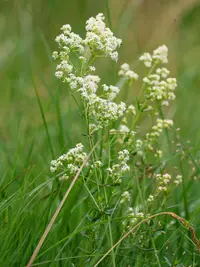
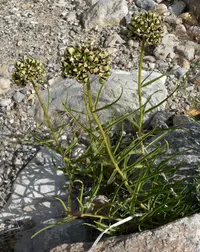
Poison angelica, Angelica lineariloba, is a perennial herb in the carrot family native to high mountain regions of the western United States. It typically grows in moist meadows and along stream banks, forming upright clumps with hollow stems and divided, fernlike leaves.

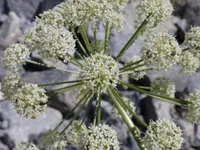
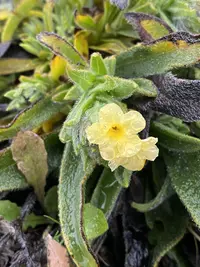
The plant produces rounded clusters of small white flowers that attract many insects. Its natural habitat in cool, moist, high-elevation sites means it can be challenging in warmer, drier gardens.

It prefers consistently moist soil, good drainage, and cool conditions with sun to light shade. Gardeners who learn how to care for poison angelica usually focus on providing steady moisture and protection from heat stress.

Main Plant Requirements

Care Difficulty

Moderate Care

Light Preference

Partial Sun

Water Requirements

Moderate Water

Temperature Preference

Cool Climate

Hardiness Zone

4–8

Soil Texture

Loamy, Sandy, Organic-rich

Soil pH

Acidic (5.5–6.5), Slightly acidic (6.5–7.0)

Soil Drainage

Moist but well-drained

Fertilization

Minimal (feed rarely)

Get Personalized Care Plan

Scan your plant to receive care tips personalized for your specific plant

Available on iOS and Android

How to Care for the poison angelica

Angelica lineariloba prefers cool, bright mountain conditions with protection from intense midday sun.

  • Provide 4–6 hours of direct morning sun with light afternoon shade, or bright open shade filtered through taller plants or rocks.
  • Tolerates partial shade, but stems may elongate and flowering can decrease if it receives under 3–4 hours of sun daily.
  • In lowland gardens, caring for poison angelica means shielding it from strong afternoon sun to prevent leaf scorch, especially in summer.

Angelica lineariloba prefers consistently moist, cool soil without standing water.

  • Outdoors, water when the top 2–4 cm of soil feel slightly dry, aiming for evenly damp but not soggy soil around the root zone.
  • Use deep watering that drains through freely; soil should be rich, humus-based, and well-drained to avoid root rot and foul odor from overwatering.
  • Increase monitoring during hot, dry spells for wilting, dull leaves, or drooping stems, and reduce watering in cool, rainy periods to prevent yellowing and mushy roots.

This high-elevation species favors cool summers and tolerates significant winter cold when established.

  • Optimal growing temperatures are about 55–70°F (13–21°C), with cooler nights supporting stronger, stockier growth.
  • Hardy to at least 0°F (-18°C) in well-drained soil and snow cover, but young plants benefit from mulch against sudden hard freezes.
  • In hot climates, sustained temperatures above 85°F (29°C) can stress plants, so provide afternoon shade and mulch to keep roots cooler during summer.

This mountain species tolerates a wide humidity range but prefers moderately moist air.

  • Aim for 40–60% humidity; typical outdoor conditions in temperate climates are suitable for poison angelica.
  • Dry indoor air below 30% may cause leaf edges to brown and curl, especially in heat or strong sun.
  • Increase humidity locally by grouping plants, placing containers near but not on a water tray, or using a fine mist in the morning.

Angelica lineariloba prefers deep, cool, moist but well-drained soil with ample organic matter.

  • Use a loamy mix with noticeable structure, combining roughly 50% garden loam, 30–40% compost, and 10–20% coarse sand or perlite for drainage.
  • Target a slightly acidic to neutral pH around 6.0–7.0, avoiding strongly alkaline or salty sites that restrict nutrient uptake.
  • Ensure excess water can move away freely; raised beds or gentle slopes help prevent waterlogging around the crown and roots.
  • Avoid heavy, compacted clay or sites that form standing puddles; incorporate coarse sand and well-rotted compost to improve aeration and root penetration.

This species can be grown in containers if the pot is large, deep, and stable enough to support its tall, upright growth.

  • Select a pot at least 30–40 cm deep to allow the long taproot and supporting feeder roots to develop without circling.
  • Use a heavy, wide-based container material such as thick terracotta or concrete to prevent tipping in wind or strong growth.
  • Elevate the pot slightly on feet or bricks so drainage holes stay clear and runoff leaves the root zone quickly after watering.

Angelica lineariloba is a hardy native that needs only light, targeted feeding in lean soils.

  • Use a balanced, low-strength NPK fertilizer or thin layer of compost in early spring as new growth emerges.
  • Feed once per growing season in most garden soils; very poor soils may benefit from a second, midseason application.
  • Dilute liquid feeds to 1/2–1/4 strength to avoid soft, weak growth in poison angelica.
  • Avoid fertilizing in late fall and winter, when the plant is dormant and nutrient demand is low.

Angelica lineariloba needs only minimal pruning to keep plants healthy and safe to handle.

  • Best timing is late fall or very early spring, after stems have died back or before new shoots elongate.
  • Remove dead, damaged, or diseased stalks at the base with clean, sharp pruners or garden shears.
  • Thin crowded flowering stems to improve air flow and reduce flopping, which also enhances seed head display.
  • Wear gloves, and dispose of spent stems thoughtfully to prevent unwanted self-sowing near paths or play areas.

This species is seldom container grown, so care focuses on careful outdoor transplanting rather than routine repotting.

  • Transplant young plants in early spring or early fall, when temperatures are cool and soil moisture is steady.
  • Choose a permanent site because deep taproots resent disturbance; move plants only when still small.
  • Signs a container-grown plant needs shifting include roots circling the pot and slowed top growth.
  • Minimize root stress by watering well before lifting, disturbing the root ball as little as possible, then watering deeply after planting.

Angelica lineariloba is most often propagated from seed, with some attention to timing and cold treatment.

  • Collect ripe seed in late summer and sow fresh in fall outdoors where plants are to grow.
  • For stored seed, provide cold stratification at 35–40°F for 6–8 weeks to improve germination.
  • Sow seed shallowly in moist, well-drained soil and keep evenly damp, not waterlogged, until seedlings establish.
  • Division is seldom used because the taproot is easily damaged, reducing survival of mature plants.

This cold-hardy species usually overwinters outdoors with little intervention in most temperate climates.

  • Established plants tolerate typical mountain and cold-temperate frosts once rooted deeply.
  • After foliage dies back, cut spent stems near ground level to tidy beds and reduce disease carryover.
  • Apply a light mulch layer around the crown in colder zones to buffer freeze–thaw cycles without smothering buds.

Care Tips

Drainage on slopes

Plant on a slight slope or raised ridge so snowmelt and heavy spring rain drain away from the crown, which reduces root rot risk when growing poison angelica in cold mountain climates.

Early-season staking

Install sturdy stakes or a low ring support as soon as stems reach 20–30 cm, tying loosely with soft ties so tall flowering stalks stay upright in wind and do not snap at the base.

Self-seeding management

Mark vigorous plants you want as future seed parents, then let only those umbels ripen and collect or shake seed where you want new plants, while deadheading the rest to prevent unwanted spread.

Mulch timing strategy

Apply a light, coarse organic mulch only after soil has fully warmed in late spring to keep roots cool, reduce weed competition, and avoid delaying emergence in cold sites.

Cold site selection

In high-elevation or very cold areas, choose a position with good winter snow cover and some protection from prevailing winds so stems are less likely to be desiccated or broken before spring growth.

Common Pests and Diseases

Angelica stem borer

This pest tunnels inside hollow stems, causing wilting, weak growth, and sometimes stem collapse in tall flowering stalks.

Solution

Cut out and destroy infested stems as soon as wilting or frass (sawdust-like debris) is seen, then dispose of them away from the planting area. Encourage stem-boring predators (such as birds) by leaving some natural habitat nearby and avoid heavy nitrogen fertilization that promotes excessively soft, lush stems.

Carrot family aphids

These insects cluster on young shoots and flowering umbels, sucking sap and leading to distorted growth, sticky honeydew, and sooty mold on leaves and stems.

Solution

Rinse colonies off with a firm stream of water, then repeat every few days if needed, and encourage natural predators such as lady beetles by avoiding broad-spectrum insecticides. In small plantings, remove heavily infested umbels or stems and discard them, or use a targeted insecticidal soap following label directions for umbel crops.

Leaf spot (Septoria)

This disease causes small tan to brown spots with darker borders on older leaves, which can merge into larger blotches and lead to premature leaf yellowing and drop in moist, cool conditions.

Solution

Remove and discard affected leaves promptly and avoid overhead watering to keep foliage as dry as possible. Improve airflow by thinning crowded stems, and if the problem recurs yearly, rotate angelica to a new spot and clear away plant debris at the end of the season to reduce overwintering spores.

Powdery mildew

This disease produces a white, powdery coating on leaves and flower stalks, reducing vigor and making the plant more prone to sun scorch during warm, dry periods with cool nights.

Solution

Improve air circulation by spacing plants properly and trimming surrounding vegetation, and avoid high-nitrogen fertilization that stimulates dense, mildew-prone foliage. Remove and dispose of heavily infected leaves, and if needed, apply a labeled sulfur or potassium bicarbonate product early in the infection period.

Crown and leaf blight

Symptoms include water-soaked lesions at the crown and on lower leaves that quickly turn brown and collapse, often following prolonged wet soil and cool temperatures in high-elevation sites where this species naturally grows.

Solution

Ensure sharply drained but consistently moist soil by avoiding standing water around the crown and using raised beds or slopes in heavy soils. Remove blighted tissue promptly, discard it away from the garden, and rotate with non-Apiaceae plants for several years if crown infections become recurrent, following any local poison angelica care instructions regarding site hygiene and spacing.

Interesting Facts

Great Basin specialist

This species is native to high-elevation sagebrush and subalpine habitats of the Great Basin in the western United States, where it grows in open, often rocky sites rather than in forests or wetlands like many other Angelica species.

Narrow, linear leaflets

Unlike the broad, divided leaves typical of many relatives, this plant has conspicuously narrow, linear leaf segments that give it a fine-textured, almost feathery appearance when viewed up close.

Umbels for native pollinators

Its compound umbels of small white flowers provide accessible nectar and pollen to a range of native insects in montane habitats, including flies, beetles, and small bees that can handle cooler, high-elevation conditions.

FAQs about poison angelica

This species is not recommended for consumption. It contains toxic compounds that can cause gastrointestinal upset and other symptoms if ingested. For safety, treat it strictly as an ornamental and avoid using any part as food or medicine.

Grow Healthy Plants with Botan Care

Keep your plants happy and healthy with plant identification, disease detection, and easy care guidance.

Botan plant care app — identify plants on mobile

Explore More Plants