Brazilian edelweiss Care (Sinningia leucotricha)

Brazilian edelweiss

About Brazilian edelweiss

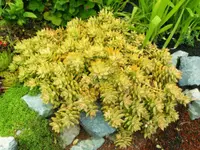
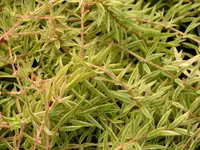
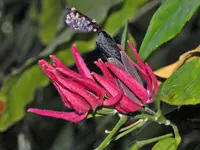
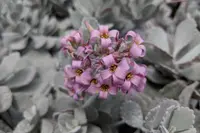
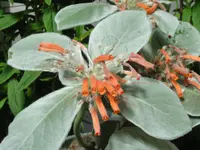
Brazilian edelweiss (Sinningia leucotricha) is a compact tuberous perennial from rocky hillsides in southern Brazil. It belongs to the African violet family but has a very distinct look. Thick, silvery, felted leaves form a low rosette above a swollen, woody caudex that stores water. In the right conditions it produces tubular orange-red flowers above the foliage. This plant grows slowly and prefers bright, indirect light, airy soil, and careful watering that allows the tuber to stay dry between waterings. Its drought tolerance and modest size make it suitable for windowsills and indoor collections, but success depends on understanding how to care for Brazilian edelweiss through its active and rest periods.

Main Plant Requirements

Care Difficulty

Moderate Care

Light Preference

Bright Indirect Light

Water Requirements

Low Water

Temperature Preference

Tropical / Frost Sensitive

Hardiness Zone

11–12

Soil Texture

Sandy, Loamy, Rocky

Soil pH

Acidic (5.5–6.5), Slightly acidic (6.5–7.0)

Soil Drainage

Well-drained

Fertilization

Light (every 4–6 weeks)

Get Personalized Care Plan

Scan your plant to receive care tips personalized for your specific plant

Available on iOS and Android

How to Care for the Brazilian edelweiss

This species prefers bright, indirect light that mimics open, rocky habitats with some protection from harsh midday sun.

  • Provide 4–6 hours of gentle morning sun with bright, filtered light for the rest of the day; an east or lightly shaded south exposure suits Brazilian edelweiss well.
  • Protect from intense midday or afternoon sun, which can scorch the silvery leaves and cause brown, dry patches on the foliage.
  • In lower light, stems stretch and flowering decreases; move gradually to a brighter spot, especially in late winter and early spring to support new growth.

Watering should protect the tuber from rot while preventing the soil from staying bone dry for long periods.

  • During active growth, water only when the top 3–5 cm of soil are completely dry, then water thoroughly so moisture reaches the tuber zone, avoiding water sitting in saucers or low spots.
  • Use a very free-draining, gritty mix; signs of overwatering include a soft tuber, yellowing leaves, and a sour smell from the potting medium.
  • In the dormant period, after leaves die back, reduce watering sharply and give only light sips every few weeks so the tuber stays firm, not shriveled.

This plant prefers warm, stable conditions but can handle brief temperature fluctuations if protected from extremes.

  • Aim for 65–80°F (18–27°C) during the growing season, which supports steady foliage and flower development without stress.
  • Protect from cold; growth slows under 60°F (16°C), and sustained exposure below 45°F (7°C) or any frost can damage the tuber and shoots.
  • In hot weather above 85°F (29°C), increase airflow and shade during the hottest hours to prevent heat stress, leaf curl, and premature dormancy.

This caudiciform species grows best in moderately dry air with controlled humidity.

  • Aim for 30–50% humidity; average indoor air suits Brazilian edelweiss well if temperatures are stable.
  • Leaves drooping, soft caudex, or pale, thin foliage can indicate humidity combined with overwatering stress rather than dryness alone.
  • Increase local humidity only slightly by grouping plants or using a distant tray of water, but avoid misting the felted leaves to prevent fungal issues.

Sinningia leucotricha prefers a very fast-draining, airy mix that protects its caudex from staying wet.

  • Use a loose, gritty mix such as 50–70% mineral components (pumice, coarse perlite, coarse sand) with the rest lean potting mix.
  • Aim for slightly acidic to neutral pH around 6.0–7.0, which supports root function without encouraging nutrient lockout.
  • Increase aeration by using chunky particles (pumice, small bark, lava rock) so water flows through quickly and oxygen reaches the caudex.
  • Avoid heavy, peat-dense or water-retentive mixes that stay wet for more than 1–2 days, as this greatly raises the risk of rot.

This species is very suitable for container culture due to its compact caudex and shallow root system.

  • Choose a shallow, wide pot so the caudex sits just above the surface, which reduces rot risk and shows the swollen base.
  • Use unglazed terracotta if extra evaporation is needed, as it pulls moisture from the mix and helps correct accidental overwatering.
  • Place the pot where it cannot be knocked over, since the top growth can make the container unstable despite the low center of mass.

This caudiciform plant needs modest feeding to support foliage and flowering without stressing the tuber.

  • Use a balanced liquid fertilizer (for example 10-10-10 or 20-20-20) diluted to 25–50% strength during active growth.
  • Feed every 4–6 weeks in spring and summer while Brazilian edelweiss has leaves and buds.
  • Avoid high-nitrogen products that push soft, weak growth; prioritize complete micronutrients.
  • Stop fertilizing in autumn and winter dormancy to prevent rot and energy depletion.

Sinningia leucotricha needs only light pruning to keep the plant tidy and support healthy flowering.

  • Best timing is late winter to early spring, just before new growth starts from the tuber.
  • Use clean, sharp scissors or small pruners to remove dead, dried, or damaged stems and spent flower stalks.
  • Thin out weak, leggy shoots to maintain a compact, balanced form and encourage stronger new growth.
  • Avoid cutting into the main tuber; only trim soft, above-ground tissue to reduce infection risk.

This species grows from a tuber and prefers stable conditions, so repotting is infrequent but sometimes helpful.

  • Repot every 2–3 years or when roots circle the pot or growth becomes noticeably slower.
  • Plan repotting in late winter or early spring, before new shoots elongate above the tuber.
  • Choose a shallow pot with excellent drainage and a very airy mix, such as cactus soil with added perlite.
  • Handle the tuber gently, keep roots intact, and water lightly after repotting to reduce stress and rot risk.

New plants are most often raised from seed, with some growers also using leaf or stem cuttings.

  • Sow fresh seeds in late winter to spring on the surface of a fine, sterile mix; do not cover heavily.
  • Maintain 70–75°F, bright indirect light, and evenly slightly moist substrate for germination.
  • For cuttings, use non-flowering shoots, allow the base to dry briefly, then place in a very free-draining mix.
  • Provide high humidity with good air movement and avoid overwatering while new roots develop.

This tropical tuber is not frost hardy and needs careful winter handling, especially in cool climates.

  • Move containers indoors before temperatures drop below 50°F, as freezing can kill the tuber.
  • Allow foliage to die back naturally in autumn, then keep the pot almost dry during dormancy.
  • Store at 55–65°F in a bright, frost-free place; avoid cold, damp basements.
  • Resume gentle watering only when new growth appears in late winter or spring.

Care Tips

Rotate During Growth

Mark the pot rim and turn the plant 90° every 1–2 weeks in active growth so the caudex and stems develop evenly and do not lean toward the light source.

Protect Dormant Caudex

When the foliage dies back, move the pot where it will not be bumped and avoid handling the caudex, since mechanical damage to this swollen stem base heals very slowly and can invite rot.

Top-Dress Instead Of Repot

Rather than repotting frequently, gently remove 0.5–1 in of old mix from the surface each spring and replace it with fresh, gritty substrate to refresh nutrients without disturbing the caudex.

Expose Caudex Gradually

If a more exposed caudex is desired, raise the tuber 0.5–1 cm higher at each repot instead of uncovering it all at once, which reduces stress on roots and helps maintain stability.

Dry, Bright Overwintering

In full dormancy, keep the pot in a bright, airy spot and maintain the soil almost completely dry, which is a key part of Brazilian edelweiss indoor care that prevents the caudex from rotting while it rests.

Common Pests and Diseases

Mealybugs

This pest feeds on sap and hides in leaf joints and along the woolly stems, often appearing as small white cottony clusters. Symptoms include sticky honeydew, distorted new growth, and sooty mold development on the sugary residue.

Solution

Isolate the plant, then remove visible insects with a cotton swab dipped in 70% isopropyl alcohol, taking care not to overwet the felted leaves. Improve air circulation, avoid overfertilizing, and repeat spot treatments weekly until no new insects appear; for heavier infestations, use a low-residue insecticidal soap only on non-fuzzy areas and keep the plant in bright, dry conditions while it recovers.

Spider mites

These insects thrive in warm, dry indoor air and are attracted to the plant’s fine leaf hairs, causing stippling, dulling of foliage, and fine webbing between leaves and stems. Symptoms include slow decline, leaf edge browning, and premature leaf drop.

Solution

Increase humidity around but not directly on the leaves by using a nearby pebble tray, then gently rinse the plant’s stems and pot surface to remove dust and mites without soaking the foliage. Treat with a horticultural oil or insecticidal soap directed mainly at stems and the caudex, repeat every 5–7 days for several cycles, and keep the plant slightly cooler and out of hot, stagnant air while numbers decline.

Powdery mildew

This disease appears as irregular white or gray powdery patches on the felted leaves, which can be hard to distinguish from the natural silvery hairs. Symptoms include patchy discoloration, leaf yellowing, and premature leaf drop if humidity is high and air movement is poor.

Solution

Reduce overhead watering and avoid wetting the foliage, then improve airflow by spacing plants and using a small fan at a low setting, not blowing directly on the plant. Remove the most affected leaves if possible and apply a gentle fungicide such as potassium bicarbonate or a labeled sulfur product at low strength, making sure the plant remains in bright, indirect light and relatively dry conditions between treatments; these are key elements of Sinningia leucotricha care instructions.

Botrytis blight

This disease causes soft, water-soaked spots on leaves or stems that develop gray, fuzzy mold, especially if the plant is kept too cool and damp. Symptoms include collapsing leaves at the base and decay where dead flowers or leaves remain in contact with the fuzzy foliage.

Solution

Promptly remove and discard all affected tissue and any dead plant material around the caudex, then move the plant to a warmer, brighter location with better airflow. Allow the soil surface to dry thoroughly between waterings, avoid misting, and if conditions stay cool and humid, apply a targeted fungicide labeled for botrytis to the affected areas, keeping the plant clean and relatively dry afterward.

Cyclamen mites

This pest attacks tender new growth in the crown, which is partially hidden by the woolly leaves, causing tight, twisted, or stunted leaves that fail to expand normally. Symptoms include distorted leaf rosettes and a rough or hardened appearance of young tissue without obvious visible insects.

Solution

Isolate the plant immediately and remove the most deformed new growth to reduce the population, taking care not to injure the caudex. Increase light and keep conditions slightly drier, then apply a miticide or a fine horticultural oil spray directed at the crown and stems, repeating as directed; if damage is severe, allow the plant to rest, maintain careful Sinningia leucotricha plant care, and wait for clean new growth to emerge from the caudex.

Interesting Facts

Velvety silver leaves

The foliage is covered in dense silvery hairs that act as a reflective shield, helping to reduce water loss and protect the leaves from intense sunlight in its rocky Brazilian habitat.

Swollen caudex storage

This species develops a rounded, woody caudex that stores water and nutrients, allowing it to survive alternating wet and dry periods in nature.

Seasonal growth strategy

In habitat it often drops or reduces its leaves in drier or cooler periods, conserving resources in the caudex and resuming active growth when conditions improve.

Botan icon

Did you know?

In the wild, this species often anchors itself in rock crevices on exposed cliffs in southern Brazil, functioning almost like a natural bonsai that withstands strong sun, limited soil, and rapid drainage by relying on its compact caudex and dense leaf hairs.

FAQs about Brazilian edelweiss

This species often needs a distinct rest period after the foliage dies back. If it stays moist or cool during dormancy, flower bud formation can be limited. Adequate seasonal drying and warmth usually restore normal flowering.

Grow Healthy Plants with Botan Care

Keep your plants happy and healthy with plant identification, disease detection, and easy care guidance.

Botan plant care app — identify plants on mobile

Explore More Plants