Encourage Basal Clumps
Shear spent flowering stems back to just above the basal rosette after the main flush to stimulate compact new growth and a lighter repeat bloom later in the season.

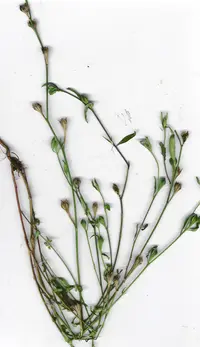
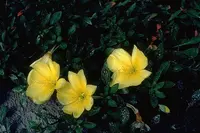
Kunth's evening primrose (Oenothera kunthiana) is a short-lived perennial or annual wildflower known for its bright yellow, open-faced blooms. It usually forms low, branching clumps with narrow leaves and showy flowers that often open in the evening and attract moths and other pollinators.
This species is native to parts of Mexico and the southwestern United States, where it grows in open, often dry habitats. It adapts well to sunny, well-drained garden sites and can tolerate poor soils, which makes it relatively easy to establish.
Gardeners who want to learn how to care for Kunth's evening primrose should note its preference for full sun, moderate moisture, and soils that do not stay waterlogged.

Care Difficulty
Easy Care

Light Preference
Full Sun

Water Requirements
Low Water

Temperature Preference
Warm Climate

Hardiness Zone
7–10

Soil Texture
Sandy, Loamy, Rocky

Soil pH
Slightly acidic (6.5–7.0), Neutral (7.0)

Soil Drainage
Well-drained

Fertilization
Minimal (feed rarely)
Scan your plant to receive care tips personalized for your specific plant
Available on iOS and Android
This sun-loving perennial thrives in open, bright conditions for strong flowering and compact growth.
This drought-tolerant species prefers infrequent, deeper watering rather than constant moisture.
This species is adapted to warm, dry regions and tolerates a fairly wide outdoor temperature range once established.
This species tolerates typical outdoor humidity and does not need special humidity management.
This species prefers lean, well-drained soil that dries between waterings.
This species can be grown in containers if drainage and soil dryness are carefully managed.
This low-maintenance wildflower needs only modest feeding to bloom well in average garden soil.
Pruning Oenothera kunthiana is simple and mainly aims to keep plants tidy and flowering well.
This species is usually grown in the ground, so focus on careful transplanting rather than frequent repotting.
Oenothera kunthiana is most often propagated by seed, with division used to refresh mature clumps.
This evening primrose is generally cold hardy and needs minimal winter care in most temperate gardens.

Plant Health Check
Not sure what's wrong with your plant? Check your plant's health inside the app.
This species is native to arid and semi-arid regions of Mexico and the southwestern United States, where it often behaves as a short-lived perennial or biennial adapted to poor, sandy or rocky soils with low organic matter.
Its bright yellow, saucer-shaped flowers typically open near or after sunset, attracting nocturnal pollinators such as moths, and then fade by the following day, a flowering pattern common in evening primroses but expressed very distinctly in this species in its native dry habitats.
Plants develop a relatively deep taproot that allows access to moisture below the soil surface, an effective drought-avoidance strategy that helps maintain flowering during extended dry periods in its native range.
This species is highly attractive to nocturnal moths and also visited by bees and other insects at dusk and early morning. The pale, fragrant flowers provide nectar and pollen, supporting night-flying pollinators in dry, sunny gardens.
Keep your plants happy and healthy with plant identification, disease detection, and easy care guidance.