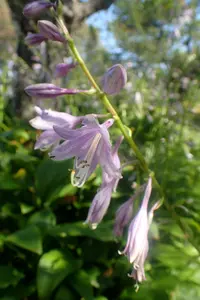
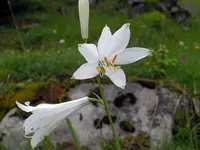
Apricot Tulp Care (Moraea ochroleuca)

Apricot Tulp

About Apricot Tulp

Apricot tulp (Moraea ochroleuca) is a small bulbous perennial from South Africa, related to irises. It grows from corms and produces slender, upright leaves. In season, it sends up delicate stems topped with soft apricot to cream flowers that open in sequence, giving a showy but airy display.

In its native habitat it occurs in sunny, open, often rocky or grassy areas with well-drained soils and dry summers. It can be moderately challenging, as it dislikes excess moisture when dormant and needs bright light to flower well. Gardeners who learn how to care for Apricot Tulp usually find it rewarding in containers, rock gardens, or specialized bulb collections.

Main Plant Requirements

Care Difficulty

Moderate Care

Light Preference

Full Sun

Water Requirements

Moderate Water

Temperature Preference

Warm Climate

Hardiness Zone

8–10

Soil Texture

Sandy, Loamy, Organic-rich

Soil pH

Slightly acidic (6.5–7.0), Neutral (7.0)

Soil Drainage

Well-drained

Fertilization

Minimal (feed rarely)

Get Personalized Care Plan

Scan your plant to receive care tips personalized for your specific plant

Available on iOS and Android

How to Care for the Apricot Tulp

This South African bulb thrives in bright conditions with distinct wet and dry seasons.

  • Provide 6–8 hours of direct sun, ideally cool morning sun and light afternoon shade, especially in hotter regions.
  • Tolerates light or dappled shade for part of the day, but flowering of Apricot Tulp declines if grown in shade for more than 4–5 hours daily.
  • In summer, strong midday sun can scorch foliage in very hot climates, so use nearby plants or open shade cloth for filtered light.

This species prefers moist but sharply drained soil during active growth and much drier conditions when dormant.

  • During growth and flowering, water when the top 3–5 cm of soil feels dry, allowing excess to drain quickly to protect the corms from rot.
  • Reduce watering sharply after foliage yellows and dies back, keeping soil barely dry to dry to mimic its natural dry-season dormancy.
  • Signs of overwatering include soft, collapsing corms and sour-smelling soil; underwatering shows as limp, prematurely browning leaves while soil is dusty-dry.

This bulb is adapted to mild, Mediterranean-type climates with cool, wet winters and warm, dry summers.

  • Optimal growth occurs around 55–70°F (13–21°C), with cool nights helping to support strong flowering and sturdy stems.
  • The plant tolerates brief dips to about 25°F (-4°C) if soil is well drained, but repeated hard frosts can damage corms and emerging shoots.
  • In summer, it handles up to 90°F (32°C) if soil is relatively dry; prolonged heat with wet soil increases rot risk, so improve drainage in such conditions.

Humidity is not a major factor for Moraea ochroleuca, which adapts well to typical indoor and outdoor air levels when other care is correct for Apricot Tulp.

Moraea ochroleuca prefers sharply drained, sandy or gritty soil that stays airy around the corms.

  • Use a mix of roughly 50% coarse sand or grit, 30% loam, and 20% compost to balance drainage and nutrients.
  • Ensure water runs through freely within seconds; excess moisture around corms quickly leads to rot.
  • Aim for slightly acidic to neutral pH, about 6.0–7.0, which supports nutrient uptake without stressing roots.
  • Avoid heavy clay, peat-dominant mixes, or compacted garden soil that hold water and restrict air flow.

This species suits container growing when the pot is set up to keep the corms dry and well aerated.

  • Choose a pot at least 20–25 cm deep so the corms sit with several centimeters of mix beneath them for insulation and root spread.
  • Select a rigid, stable container to prevent tipping, as tall flower spikes can shift the center of gravity in wind.
  • Use a pot material that sheds moisture quickly, such as unglazed terracotta, to help the gritty mix dry between waterings.

Moraea ochroleuca benefits from light feeding during its active growing season but does not need heavy fertilization.

  • Use a balanced liquid fertilizer (around 10-10-10) at 1/2 strength every 4–6 weeks while foliage is actively growing.
  • In well-prepared garden soil, limit feeding to one light application of slow-release fertilizer at the start of spring.
  • Avoid high-nitrogen products, which encourage soft leaf growth at the expense of flowers in Apricot Tulp.
  • Stop feeding completely once leaves begin to yellow and enter dormancy, and do not fertilize dormant corms.

Moraea ochroleuca needs only minimal pruning focused on hygiene rather than shaping.

  • In late spring or after flowering, remove spent flower stalks at the base using clean, sharp scissors or pruners.
  • Let green leaves die back naturally, then trim the fully brown foliage to soil level to recharge the corms.
  • Cut away any damaged, diseased, or rotting tissue promptly to limit fungal spread.
  • Avoid heavy cutting or reshaping; pruning has little effect on plant form but supports clean growth and reliable flowering.

This corm-forming species is usually grown in beds, with transplanting or lifting done mainly to prevent overcrowding and maintain flowering.

  • Check clumps every 3–4 years; declining flowering, congested fans, or corms pushed to the soil surface indicate a need to lift and divide.
  • Plan transplanting for late summer to early fall when plants are fully dormant and foliage has completely died back.
  • Gently lift clumps with a fork, separate healthy corms by hand, discard soft or diseased ones, and replant at the same depth in well-drained soil.
  • Water lightly after transplanting, then keep soil just barely moist until new growth appears to minimize root stress and rot risk.

Moraea ochroleuca is commonly propagated by corm division, with seed used mainly for longer-term increase or breeding work.

  • Lift and divide corms in late summer or early fall during full dormancy, separating offsets and replanting immediately in free-draining soil.
  • Space divisions to allow airflow and future clump expansion, planting at roughly 2–3 times the corm height in depth.
  • For seeds, sow fresh in pots of gritty mix, keep lightly moist, and maintain cool to mild temperatures around 55–65°F.
  • Grow seedlings on in containers for 2–3 years until corms are large enough to flower before moving them to a final position.

This plant has moderate frost tolerance but benefits from some winter protection in colder regions, especially in containers.

  • In mild climates with good drainage, hardy corms can overwinter in the ground with little intervention.
  • Apply a 5–8 cm layer of dry mulch over the planting area in late fall to insulate the root zone without waterlogging.
  • In regions below about 20°F, lift corms after foliage dies back and store them dry in a cool, frost-free place.
  • Move container-grown plants to a sheltered, unheated but frost-free spot, keeping the potting mix almost dry during dormancy.

Care Tips

Mark Dormant Clumps

Place small, durable labels or stones where each clump grows before foliage dies back, so you can find and divide or lift the corms accurately during dormancy.

Lift In Wet Climates

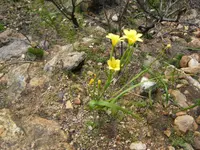
In regions with wet summers, lift the corms once foliage has fully yellowed, dry them in a single layer for 7–10 days in a shaded, airy place, then store in dry vermiculite or coarse sand until replanting.

Staggered Replanting

Replant corms in groups with slightly different planting depths or aspects (e.g., slight slope or raised pocket) to extend the overall flowering period and identify which positions perform best in your garden.

Targeted Pest Checks

Inspect the narrow leaves and flower stems every 7–10 days in active growth for aphids, thrips, or snail damage, and treat early with a strong water spray, insecticidal soap, or physical removal before buds are distorted.

Container Rotation Practice

If growing Apricot Tulp in pots outdoors, rotate containers a quarter turn every 1–2 weeks during active growth to keep stems upright and prevent lean toward a single light source.

Common Pests and Diseases

Bulb nematodes

This pest attacks the corms, causing soft, brown, or dry sunken areas and weak, distorted growth or poor emergence in spring. Symptoms include stunted plants, patchy stands, and corms that feel spongy or show ring-like lesions when cut open.

Solution

Discard heavily infested corms and any surrounding soil, and avoid replanting Moraea ochroleuca in the same spot for several years. For remaining healthy corms, use only clean stock from reliable sources, hot-water treat corms if possible (typically 110–120°F for a carefully timed soak), and grow in well-drained, fresh medium to reduce nematode survival.

Corm and basal rot

This disease is usually caused by soilborne fungi that invade through wounds or in waterlogged conditions, leading to soft, foul-smelling or dry, crumbly corms and sudden collapse of foliage. Symptoms include yellowing leaves, poor flowering, and corms that show brown rot spreading from the base upward.

Solution

Remove and destroy affected corms and any obviously infected soil or potting mix, then improve drainage and avoid overwatering, especially during dormancy. Replant only firm, unblemished corms into clean, fast-draining substrate, and consider a preventive fungicidal soak labeled for ornamental bulbs before storage or planting as part of Moraea ochroleuca care instructions.

Rust

This disease produces small orange-brown pustules on leaves and stems that release powdery spores, often leading to yellowing and early dieback of foliage. Symptoms include scattered spots that may merge into larger patches, reducing photosynthesis and weakening the plant over time.

Solution

Promptly remove and discard affected leaves to reduce spore spread, and maintain good spacing and airflow so foliage dries quickly after rain or watering. Avoid overhead watering, clean up all dead foliage at season’s end, and, where rust is persistent, use a registered ornamental fungicide applied according to label directions during the active growth period.

Slugs and snails

These pests chew irregular holes in young leaves and flowers, and can completely remove emerging shoots in damp conditions. Symptoms include shredded foliage, damaged buds, and silvery slime trails on soil and pots, especially after wet nights.

Solution

Hand-pick slugs and snails in the evening or early morning, and use physical barriers such as copper tape around pots or raised beds to protect emerging Moraea shoots. Reduce hiding places by clearing debris, and if pressure is high, apply iron phosphate-based slug baits placed away from direct contact with corms and used according to label instructions.

Interesting Facts

Winter-rainfall specialist

This species is native to South Africa’s winter-rainfall regions, where it grows and flowers in the cool, moist season and survives the hot dry summer as a dormant underground corm.

Short-lived blooms

Each flower typically lasts for only a day or two, but the plant produces several buds in succession, so the flowering display can extend over a number of weeks in late winter to spring.

Sandplain and renosterveld native

In the wild it often occurs in sandy or loamy soils within low shrubland habitats such as renosterveld, indicating adaptation to open, sunny sites with well-drained but seasonally moist soils.

FAQs about Apricot Tulp

This species usually flowers in late winter to spring, depending on climate. Blooming is brief, often 1–3 weeks, with individual flowers lasting only a few days before fading and being replaced by new ones.

Grow Healthy Plants with Botan Care

Keep your plants happy and healthy with plant identification, disease detection, and easy care guidance.

Botan plant care app — identify plants on mobile

Explore More Plants