Wind-shaping early
In exposed coastal or windy sites, tip-prune new shoots lightly in the first 2–3 years to encourage a lower, denser framework that resists wind rock and reduces branch breakage later.

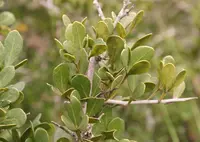
Wing Currantrhus (Searsia pterota) is a small, multi-stemmed shrub or compact tree, valued for its fine, winged stems and small, attractive leaves. It typically forms a dense, rounded shape that works well in mixed shrub borders, coastal gardens, or as a low windbreak.
This species is native to South Africa, where it grows in dry, rocky, and often coastal habitats, which makes it naturally tolerant of wind, salt, and periods of drought. Its tough nature and moderate growth rate mean that gardeners usually find it straightforward to care for Wing Currantrhus in well-drained soil with good light and only occasional supplemental water once established.

Care Difficulty
Easy Care

Light Preference
Full Sun

Water Requirements
Low Water

Temperature Preference
Warm Climate

Hardiness Zone
9–11

Soil Texture
Sandy, Loamy, Rocky

Soil pH
Slightly acidic (6.5–7.0), Neutral (7.0)

Soil Drainage
Well-drained

Fertilization
Minimal (feed rarely)
Scan your plant to receive care tips personalized for your specific plant
Available on iOS and Android
This drought-hardy shrub prefers bright, open conditions with moderate direct sun exposure.
This species is adapted to dry conditions and prefers infrequent, deep watering once established.
This hardy shrub tolerates a wide temperature range but performs best in mild, Mediterranean-type climates.
Humidity is rarely a limiting factor for Searsia pterota in home or outdoor conditions.
This species prefers lean, fast-draining soil that mimics dry, rocky habitats.
This shrub can adapt to container growing when given a stable, well-drained setup.
Searsia pterota is adapted to lean soils and usually needs only light feeding in cultivation.
Searsia pterota responds well to thoughtful structural pruning in gardens and landscapes.
This shrub or small tree is better suited to ground planting than to long-term container culture.
Searsia pterota is usually propagated by seeds, with semi-ripe cuttings also possible for gardeners with some experience.
Established Searsia pterota plants are fairly cold hardy and usually need little winter attention in mild climates.

Plant Health Check
Not sure what's wrong with your plant? Check your plant's health inside the app.
This species is naturally restricted to South Africa’s southern and Eastern Cape coastal belt, where it forms dense, wind-tolerant thickets on dunes and rocky slopes in summer-dry, winter-rainfall climates.
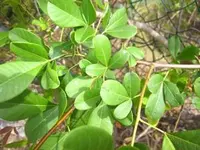
The common name wing currant comes from its compound leaves, where the central stalk (rachis) often has flattened, wing-like extensions that make the foliage distinctive among related Searsia species.
Its small, fleshy drupes (a type of simple fruit with a single seed) are produced in dense clusters and are eaten by many coastal birds, which in turn disperse the seeds and help maintain coastal shrub communities.

This species plays a role in stabilizing coastal sands and rocky slopes in its native range, with its woody root system and dense branching structure helping to reduce erosion in exposed, wind-prone coastal habitats.
This shrub is functionally evergreen in mild climates, holding foliage year-round, but may become semi-deciduous in colder or very dry conditions. Light leaf drop is normal during seasonal stress or after pruning and does not usually indicate poor health.
Keep your plants happy and healthy with plant identification, disease detection, and easy care guidance.