Provide climbing support
Install a sturdy trellis, mesh, or vertical wires early so the stems can twine naturally, preventing tangles and breakage as the plant gains length and weight.

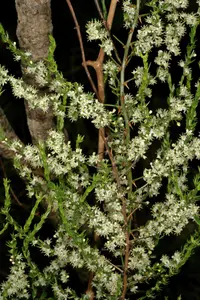
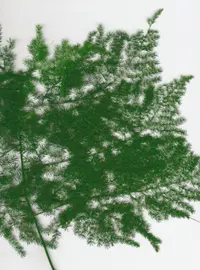
African asparagus (Asparagus africanus) is a woody, climbing perennial from tropical and subtropical Africa. It often scrambles over shrubs or supports using thin, flexible stems. The plant carries small, needle-like cladodes that look like leaves, giving it a light, feathery texture. Tiny white flowers and red berries may appear under suitable conditions. Asparagus africanus is generally tough and drought-tolerant once established, which can make it easier to maintain than many delicate houseplants. It prefers bright light, moderate moisture, and well-drained soil. Understanding how to care for African asparagus helps keep its growth controlled and its stems healthy.

Care Difficulty
Moderate Care

Light Preference
Partial Shade

Water Requirements
Moderate Water

Temperature Preference
Tropical / Frost Sensitive

Hardiness Zone
10–11

Soil Texture
Sandy, Loamy, Organic-rich

Soil pH
Acidic (5.5–6.5), Slightly acidic (6.5–7.0)

Soil Drainage
Well-drained

Fertilization
Light (every 4–6 weeks)
Scan your plant to receive care tips personalized for your specific plant
Available on iOS and Android
This species prefers bright, filtered light that mimics light woodland or understory conditions.
Watering should keep the root zone slightly moist but never saturated for long periods.
Stable, mild temperatures support steady growth and reduce stress for this species.
This species manages well in typical indoor humidity but benefits from moderately moist air.
Asparagus africanus prefers a loose, airy mix that drains quickly yet holds some moisture.
This species is well suited to container growing when the pot supports its spreading, vining habit.
Nutrient inputs support healthy, controlled growth in African asparagus, especially in containers.
Thoughtful pruning keeps Asparagus africanus dense, tidy, and manageable in indoor or garden settings.
Container-grown Asparagus africanus accepts occasional repotting but prefers slightly snug conditions around its root system.
Asparagus africanus is commonly propagated by seed and by division of mature clumps.
This species is frost-tender and needs protection in regions with cold winters.

Plant Health Check
Not sure what's wrong with your plant? Check your plant's health inside the app.
This species is a scrambling, sometimes climbing shrub with slender, branching stems armed with small, sharp spines, allowing it to hook onto surrounding vegetation for support in its native African habitats.
What look like delicate leaves are actually cladodes, which are flattened or needle-like photosynthetic stems; the true leaves are reduced to tiny scales at the stem nodes.
It produces small, usually orange to red berries that are eaten by birds, which then disperse the seeds across the landscape and help maintain natural populations.

Asparagus africanus occurs across a wide ecological range in sub-Saharan Africa, from dry, rocky slopes to forest margins, demonstrating notable adaptability to different light levels and soil types within its native distribution.
Lack of flowering often comes from insufficient light, nutrient-poor soil, or a pot that is too small. Light pruning after the growing season and steady, moderate feeding usually encourage more reliable blooming in mature plants.
Keep your plants happy and healthy with plant identification, disease detection, and easy care guidance.