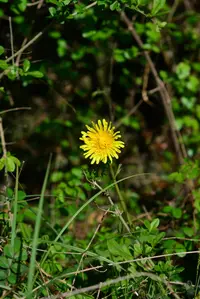
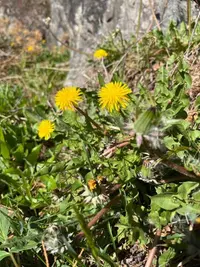
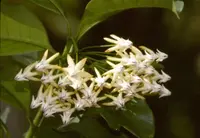
hairy clustervine Care (Jacquemontia tamnifolia)

hairy clustervine

About hairy clustervine

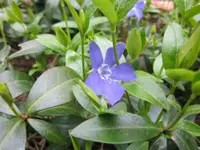
Hairy clustervine (Jacquemontia tamnifolia) is a fast-growing annual vine in the morning glory family, known for its soft hairy stems and small blue to whitish funnel-shaped flowers. It often twines over fences, shrubs, and crops, forming dense, scrambling growth.

This species is native to the Americas and has become a common weed in warm regions, especially in disturbed sites and agricultural fields. It can spread quickly from seed, so gardeners should monitor unwanted self-seeding.

Plants prefer full sun, warmth, and well-drained soil, which makes them relatively easy to grow where frost is minimal. Those who want to learn how to care for hairy clustervine should also consider its vigorous habit and potential to become invasive in suitable climates.

Main Plant Requirements

Care Difficulty

Moderate Care

Light Preference

Full Sun

Water Requirements

Moderate Water

Temperature Preference

Tropical / Frost Sensitive

Hardiness Zone

9–11

Soil Texture

Sandy, Loamy, Organic-rich

Soil pH

Acidic (5.5–6.5), Slightly acidic (6.5–7.0)

Soil Drainage

Well-drained

Fertilization

Light (every 4–6 weeks)

Get Personalized Care Plan

Scan your plant to receive care tips personalized for your specific plant

Available on iOS and Android

How to Care for the hairy clustervine

Jacquemontia tamnifolia performs best in full sun with some tolerance for light shade.

  • Provide 6–8 hours of direct sun daily; strong morning sun with lighter afternoon exposure helps maintain compact growth and abundant flowering.
  • Allow light afternoon shade in hotter regions, as constant harsh sun can scorch leaves and cause buds to drop, especially during dry, windy periods.
  • In shorter winter days, choose the brightest, most open site available; long-term growth slows and flowering declines noticeably in sites receiving under 4–5 hours of sun.

Jacquemontia tamnifolia prefers evenly moist, well-drained soil rather than constant wetness.

  • Water when the top 3–5 cm of soil feels dry, using a slow soak so water penetrates 15–20 cm deep, then allow excess to drain away fully.
  • Use soil with good drainage; persistent soggy soil, yellowing lower leaves, and soft stems indicate overwatering or poor drainage risk for root rot.
  • In hot, dry weather increase checks for dryness, while in cooler seasons or during cloudy, low-growth periods extend the interval between waterings to avoid waterlogged roots.

This species thrives in warm, frost-free conditions typical of many tender vines.

  • Aim for 70–85°F (21–29°C) for active growth; flowering and vining are strongest within this range during the main growing season.
  • Protect from cold below 45°F (7°C); light frost can damage foliage, and hard frost near 32°F (0°C) can kill top growth or the entire plant outdoors.
  • In heat waves above 95°F (35°C), growth may slow and leaves can scorch; provide mulch and some afternoon shade while maintaining airflow to limit stress.

This species tolerates a wide humidity range and usually copes well with typical indoor and outdoor conditions.

  • Aim for 40–60% humidity; it handles drier air but grows more vigorously with moderate moisture in the air.
  • Watch for crisp leaf edges and stalled new growth as signs of prolonged very dry air stress.
  • Increase humidity by grouping plants or placing containers near other vegetation rather than misting leaves frequently.

This plant prefers light, well-aerated, fast-draining soil that does not stay wet for long.

  • Use a sandy or sandy-loam mix with 30–40% coarse material such as perlite, pumice, or sharp sand to keep pores open.
  • Incorporate a modest amount of compost or well-rotted manure to supply nutrients without making the mix heavy or waterlogged.
  • Keep pH slightly acidic to neutral, around 6.0–7.0, which suits Jacquemontia tamnifolia and supports nutrient uptake.
  • Avoid dense clay, peat-heavy mixes, or spots where water pools, as low oxygen around roots quickly causes decline.

This species is suitable for container growing, especially where its vining habit can be supported.

  • Select a deep, relatively wide pot to give the fast-growing root system lateral space and prevent tipping as vines elongate.
  • Choose a heavier material such as ceramic or thick-walled terracotta outdoors to improve stability in wind as the vine climbs.
  • Position the container so support structures rise directly from or behind the pot, preventing leverage that could rock and loosen the root ball.

This fast-growing annual vine responds well to modest feeding during its active season.

  • Use a balanced liquid fertilizer (such as 10-10-10) at 1/2 strength every 2–3 weeks in spring and summer.
  • Alternatively, mix a small amount of slow-release balanced fertilizer into the soil at planting.
  • Avoid feeding hairy clustervine in late fall and winter, when growth slows or stops.
  • Do not overapply fertilizer; excess nitrogen can cause leafy growth with fewer flowers.

Pruning helps keep Jacquemontia tamnifolia manageable and encourages better flowering.

  • Trim in late winter or early spring before strong new growth starts.
  • Remove dead, damaged, or tangled stems first to maintain plant health.
  • Shorten excessively long vines to shape the plant and improve light penetration.
  • Use clean, sharp hand pruners and make cuts just above a leaf node.

This vine is most often grown in the ground, but containers or transplants need timely attention.

  • Transplant outdoors in spring after frost, when seedlings have several true leaves.
  • Shift container plants when roots circle the pot base or poke from drainage holes.
  • Move up only 1 pot size, using a well-drained mix, and water thoroughly afterward.
  • Handle the root ball gently, keeping roots shaded and moist to limit transplant shock.

Jacquemontia tamnifolia is commonly propagated from seed and also from soft stem cuttings.

  • Sow fresh seeds indoors in late winter or outdoors in spring after frost risk passes.
  • Provide warm soil (68–75°F), consistent moisture, and bright light for germination.
  • Take 8–10 cm softwood cuttings in late spring, removing lower leaves.
  • Place cuttings in a moist, free-draining medium and maintain high humidity until rooted.

In most climates this vine behaves as a tender annual, so winter care focuses on any container specimens.

  • It is frost-sensitive and usually dies back after the first hard frost outdoors.
  • Before frost, move container plants indoors to a bright, cool spot (50–60°F).
  • Water sparingly indoors, keeping soil just slightly moist during low-light months.

Care Tips

Install Climbing Support

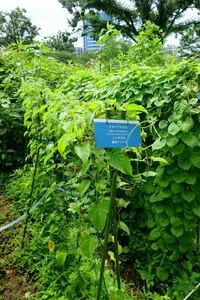
Set up a sturdy trellis, fence, or netting before rapid spring growth so the vines can naturally twine and form a stable, well-ventilated wall of foliage rather than a tangled heap on the ground.

Pinch To Branch

Pinch back soft shoot tips when vines are 20–30 cm long to encourage side branching, which increases flower-bearing stems and helps keep the plant denser and easier to manage.

Seasonal Hard Cutback

After flowering finishes or when vines become woody and sparse, cut them back hard to 15–30 cm above ground to refresh growth and maintain a manageable size for the next season.

Monitor For Mites

Inspect the undersides of leaves weekly in hot, dry weather for fine webbing or stippling, and if spider mites appear, hose foliage thoroughly and use a labeled miticide or insecticidal soap before populations build up.

Plan Containment Strategy

In mild climates where vines may self-seed or spread aggressively, use physical barriers, regular edge trimming, and prompt removal of unwanted seedlings to keep growth confined to the intended area when growing hairy clustervine.

Common Pests and Diseases

Leafminers

This pest tunnels inside leaves, creating pale winding trails and blotches that can cause premature leaf drop on this fast-growing vine.

Solution

Remove and destroy heavily mined leaves to reduce larvae, and encourage beneficial wasps by limiting broad-spectrum insecticides; if needed, use a spinosad-based spray targeted to the foliage, following label directions and focusing on young growth where damage is most active.

Spider mites

These insects thrive on hairy clustervine in hot, dry conditions, causing fine stippling, dulling of leaves, and delicate webbing on stems and leaf undersides.

Solution

Rinse foliage thoroughly with a strong but gentle stream of water 2–3 times per week, increase ambient humidity, and if the population remains high, apply insecticidal soap or horticultural oil to all leaf surfaces, repeating as directed until new growth appears clean.

Whiteflies

This pest often builds up on dense vine growth, with small white adults flying up when disturbed and sticky honeydew promoting sooty mold on leaves and nearby surfaces.

Solution

Use yellow sticky traps to monitor and reduce adults, regularly hose down the undersides of leaves, and treat infested foliage with insecticidal soap or horticultural oil, ensuring repeat applications to break the life cycle while avoiding spraying in full sun or high heat.

Powdery mildew

This disease appears as white to gray powdery patches on leaves and young stems, which can lead to yellowing, distortion, and reduced flowering in crowded plantings.

Solution

Improve air circulation by thinning or pruning vines, avoid overhead watering late in the day, and if needed apply a sulfur or potassium bicarbonate fungicide labeled for ornamentals at the first sign of symptoms, covering all leaf surfaces and repeating according to product directions.

Southern blight

Symptoms include sudden wilting, stem lesions near the soil line, and white, cottony fungal growth with small tan to reddish sclerotia at the base of stems, especially in hot, humid conditions.

Solution

Promptly remove and discard affected plants and surrounding surface soil, avoid burying stems or overmulching the crown area, and rotate planting locations; in high-risk sites, consider raised beds with well-drained soil and avoid excessive irrigation around the stem base as part of Jacquemontia tamnifolia care.

Interesting Facts

Twining morning glory relative

This annual vine belongs to the Convolvulaceae, the morning glory family, and climbs by twining, often forming loose, scrambling tangles over grasses and shrubs in open, disturbed habitats.

Distinctive hairy foliage

The whole plant is covered in fine, soft hairs, including the stems and arrow‑shaped leaves, which is the origin of the common name hairy clustervine and helps reduce water loss and herbivory.

Weedy behavior in fields

In parts of the southeastern United States, this species behaves as an agricultural weed, spreading through crop fields and fallow ground where it can compete with young seedlings for light and resources.

Botan icon

Did you know?

This species is native to tropical and subtropical regions of the Americas but has naturalized beyond its original range, and in some areas it is monitored as a potentially invasive vine because of its rapid growth and prolific seed production.

FAQs about hairy clustervine

This species can self-seed freely and scramble over nearby plants, so it is often considered weedy or invasive in warm regions. Regular pruning and prompt removal of unwanted seedlings help keep it contained and manageable.

Grow Healthy Plants with Botan Care

Keep your plants happy and healthy with plant identification, disease detection, and easy care guidance.

Botan plant care app — identify plants on mobile

Explore More Plants