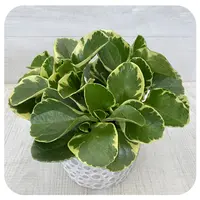
pink trumpet-tree Care (Tabebuia rosea)

Also known as: Pink poui, Rosy Trumpet Tree, Trumpet Tree
pink trumpet-tree

About pink trumpet-tree

Pink trumpet-tree, Tabebuia rosea, is a medium to large deciduous tree valued for its showy, trumpet-shaped pink flowers that cover the canopy in flushes. It typically develops a rounded crown and a straight trunk, making it popular as a street and shade tree in warm climates.

This species is native to tropical dry forests of Central and South America but is now widely planted in urban landscapes across tropical and subtropical regions. It is considered moderately easy to grow where winters are mild, provided it receives good light, well-drained soil, and occasional deep watering. Understanding how to care for pink trumpet-tree helps it establish a strong root system and sustain reliable flowering over time.


Main Plant Requirements

Care Difficulty

Moderate Care

Light Preference

Full Sun

Water Requirements

Moderate Water

Temperature Preference

Tropical / Frost Sensitive

Hardiness Zone

10–11

Soil Texture

Sandy, Loamy, Organic-rich

Soil pH

Acidic (5.5–6.5), Slightly acidic (6.5–7.0)

Soil Drainage

Well-drained

Fertilization

Minimal (feed rarely)

Get Personalized Care Plan

Scan your plant to receive care tips personalized for your specific plant

Available on iOS and Android

How to Care for the pink trumpet-tree

Tabebuia rosea thrives in bright, warm climates with strong light exposure.

  • Provide 6–8 hours of direct sun daily; full sun is ideal for abundant flowering and a compact canopy.
  • Tolerates light partial shade, especially with morning sun and light afternoon shade in very hot regions to reduce leaf scorch.
  • Young pink trumpet-tree specimens benefit from some filtered afternoon light, but too much shade leads to sparse blooms and elongated, weak growth.

Tabebuia rosea prefers deep, infrequent watering once established.

  • Allow the top 5–8 cm of soil to dry before watering; use a long soak so moisture reaches deeper roots, then let the soil drain fully.
  • During hot, dry periods, watch for dull, curling, or slightly drooping leaves as a cue to water more deeply, not more often.
  • Reduce watering in cool seasons when growth slows, and avoid standing water or heavy clay that causes root rot, leaf yellowing, and dieback.

This species prefers warm, frost‑free conditions with stable seasonal temperatures.

  • Optimal growth occurs around 70–90°F (21–32°C), matching subtropical to tropical climates with warm summers.
  • The tree is damaged near 30–32°F (−1–0°C); brief light frost may burn young leaves, while harder or repeated frosts can kill small trees.
  • Tolerates short heatwaves up to about 100°F (38°C) if soil moisture is consistent, but prolonged extreme heat with drought stresses foliage and flowering.

Humidity is a minor factor, as this species is adapted to warm, seasonally dry climates.

Tabebuia rosea prefers moderately fertile, well-structured mineral soil that drains quickly but holds some moisture.

  • Use a loamy or sandy-loam soil with 20–30% coarse sand or fine gravel to prevent waterlogging.
  • Incorporate 10–20% well-rotted compost to improve structure without making the soil heavy or compacting.
  • Aim for slightly acidic to neutral pH around 6.0–7.0 for reliable nutrient availability.
  • Avoid dense clay, salty soils, or mixes that stay wet for more than 24 hours after thorough watering.

This tree can be grown in large containers when kept as a patio or training specimen rather than a full-sized landscape tree.

  • Choose a deep, heavy container that resists tipping as the woody trunk and canopy gain height and sail area in wind.
  • Select a potting mix that is lighter than garden soil yet drains fast, as fine-textured media encourage root rot in large volumes.
  • Use a container material with low flex, such as thick ceramic or stable composite, to support the developing woody root system.

This fast-growing tropical tree benefits from moderate feeding in containers or poor soils, but established in-ground plants often need little fertilizer.

  • Use a balanced slow-release fertilizer (such as 10-10-10) or well-rotted compost at the start of the growing season.
  • Feed every 6–8 weeks during active growth for young or potted pink trumpet-tree, following label rates at 1/2 strength.
  • Reduce or stop feeding in late fall and winter, when growth slows or trees are deciduous.
  • Water before and after applying fertilizer to limit root burn and improve nutrient uptake.

Pruning supports safe structure and reliable flowering in Tabebuia rosea without heavy intervention.

  • Schedule structural pruning in late winter or very early spring, before new growth starts.
  • Remove dead, diseased, crossing, or storm-damaged branches using clean, sharp bypass pruners or loppers.
  • Thin congested interior shoots to improve light penetration and airflow, maintaining a balanced canopy shape.
  • Avoid severe topping; instead shorten or redirect branches to side shoots to preserve natural form and flowering.

This tree is usually grown in the ground, so transplanting young plants at the right stage is more important than frequent repotting.

  • Shift container-grown plants when roots circle the pot or growth slows, usually every 1–2 years while young.
  • Transplant into the landscape in late spring or early summer, once soil is warm and risk of frost has passed.
  • Choose a hole 2–3 times wider than the root ball, set the tree at the same depth, and backfill with native soil.
  • Water deeply after planting, apply a 5–8 cm mulch layer, and keep soil evenly moist for several weeks to reduce transplant shock.

Gardeners mainly raise this species from seed, with cuttings used less often for specialized selections.

  • Collect ripe pods in late dry season; clean and sow fresh seeds in a well-drained seed-starting mix.
  • Provide warm conditions of 70–80°F, bright light, and lightly moist substrate for reliable germination.
  • For semi-hardwood cuttings, take 10–15 cm shoots in late spring, removing lower leaves and using rooting hormone.
  • Place cuttings in a sterile, free-draining mix under high humidity and indirect light until roots form.

This tropical to subtropical tree is frost sensitive and needs winter attention in cooler climates.

  • In USDA zones below 10, grow in large containers so plants can be moved indoors before temperatures drop below 40°F.
  • Mulch the root zone with 5–8 cm of organic material to moderate soil temperature in marginal climates.
  • Shelter young trees from cold winds, using burlap screens or temporary covers during brief cold snaps.

Care Tips

Wind-hardening saplings

Expose young trees to gradually stronger, steady air movement during their first growing season by reducing windbreak protection over several weeks, which encourages thicker trunks and better anchoring before they face full landscape winds.

Root flare exposure

When planting or top-dressing, keep the root flare at or slightly above soil level and gently remove any mulch piled against the trunk to reduce risk of rot and improve gas exchange for the upper roots.

Seasonal structural pruning

In late winter, selectively remove crossing, weakly attached, or steeply upright interior branches while the canopy is leafless, which improves airflow, reduces limb breakage under bloom weight, and keeps the crown more storm-resilient.

Bloom litter management

During heavy flowering, rake or blow fallen blossoms off lawns, paving, and drainage areas every few days so they do not form a slippery mat, smother turf, or clog surface drains.

Long-term staking strategy

If staking is needed for a young tree, use 2–3 low, flexible ties that allow slight trunk movement and remove all staking materials after 1–2 years so the tree develops its own strong root system rather than relying on permanent support when growing pink trumpet-tree.

Common Pests and Diseases

Scale insects

This pest feeds on sap along young stems and branches, often causing yellowing leaves, sticky honeydew, and sooty mold on pink trumpet-tree. Heavy infestations can weaken flowering and slow growth.

Solution

Prune and destroy heavily infested twigs, then wash reachable branches with water and a few drops of mild insecticidal soap to dislodge scales and honeydew. For persistent problems on landscape trees, use a targeted horticultural oil or systemic product labeled for scale, applied according to local regulations and ideally timed to crawler (juvenile) stages.

Leaf spot

This disease causes brown to dark-purple spots on leaves, sometimes with yellow halos, leading to premature leaf drop during wet, humid periods. Symptoms include scattered lesions that may coalesce and give the canopy a thin or scorched look.

Solution

Collect and destroy fallen leaves to reduce the source of infection and avoid overhead watering that keeps foliage wet. Improve air movement around the canopy, and in high-value plantings consider a labeled ornamental tree fungicide at the start of wet seasons if the problem recurs every year.

Powdery mildew

This disease produces a white, powder-like growth on young leaves and shoots, which can distort new foliage and reduce vigor. Symptoms include dull, pale leaves and reduced flowering if the infection is heavy and persistent.

Solution

Increase sun exposure and airflow where possible, and avoid dense overcrowding with other shrubs or trees. Remove and dispose of heavily affected shoots, and use a sulfur or potassium bicarbonate fungicide labeled for ornamental trees if cultural measures do not keep the infection low.

Caterpillars

These insects chew irregular holes or entire sections from leaves, sometimes defoliating young trees or new flushes of growth. Damage is often seasonal and can appear suddenly when larvae hatch in groups.

Solution

Inspect foliage during active seasons and handpick caterpillars from reachable branches, dropping them into soapy water. For higher canopies or repeated outbreaks, use a biological product containing Bacillus thuringiensis (Bt) targeted to caterpillars, applied in the evening when larvae are actively feeding.

Nematode-associated decline

This problem occurs when plant-parasitic nematodes in sandy or disturbed soils damage fine roots, leading to sparse foliage, slow growth, and branch dieback without obvious above-ground pests. Symptoms include chronic stress despite adequate water and nutrients.

Solution

Improve soil health with organic matter, mulch, and reduced soil compaction, which encourages beneficial organisms that suppress nematodes. In sites with known nematode pressure, avoid planting young Tabebuia rosea directly into infested soil or use resistant understock if grafted material is available, and maintain consistent irrigation to reduce drought stress on compromised roots.

Interesting Facts

Spectacular leafless bloom

In many tropical climates this species often sheds most of its foliage just before flowering, creating nearly leafless branches covered in dense clusters of pale pink to rose-purple trumpets.

Seasonal cloud forests

When mass-flowering along streets or in parks, the fallen blossoms can form thick, continuous carpets of petals that noticeably cool and shade the soil surface beneath the trees.

Wide native range

This tree is naturally distributed from southern Mexico through Central America to northern South America, adapting to both seasonally dry lowlands and more humid regions, which explains its flexibility in cultivation when following basic Tabebuia rosea care guidelines.

Botan icon

Did you know?

In several Latin American cities, synchronized flowering of large, planted populations of this species has been used by local communities as an informal seasonal calendar marker, signaling the end of the dry season or the approach of specific agricultural activities.

FAQs about pink trumpet-tree

Lack of flowering usually comes from youth, insufficient light, or stress from drought, pruning, or root disturbance. Mature trees bloom more reliably when well established, unstressed, and given time to recover from any recent transplanting or hard pruning.

Grow Healthy Plants with Botan Care

Keep your plants happy and healthy with plant identification, disease detection, and easy care guidance.

Botan plant care app — identify plants on mobile

Explore More Plants