Encourage Compact Growth
Pinch back soft shoot tips after flowering to maintain a low, compact mound and prevent the plant from becoming open and leggy in windy sites.

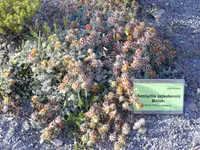
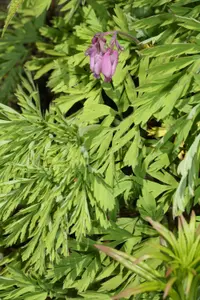
Anthyllis tejedensis is a small, shrubby perennial legume, typically forming compact cushions with many short branches and fine, divided leaves. It often carries soft hairs that give the foliage a slightly silvery look.
This species is native to high, dry mountain areas of the Canary Islands, where it grows in rocky, well-drained sites with strong light and good air movement. It tends to be slow-growing but long-lived when kept dry at the roots and protected from prolonged frost.
Gardeners who care for Anthyllis tejedensis usually find it best suited to rock gardens, troughs, or containers, where it can receive full sun, lean mineral soil, and moderate but not excessive moisture.

Care Difficulty
Moderate Care

Light Preference
Full Sun

Water Requirements
Low Water

Temperature Preference
Warm Climate

Hardiness Zone
8–10

Soil Texture
Sandy, Loamy, Rocky

Soil pH
Slightly acidic (6.5–7.0), Neutral (7.0)

Soil Drainage
Well-drained

Fertilization
Minimal (feed rarely)
Scan your plant to receive care tips personalized for your specific plant
Available on iOS and Android
This sun-loving mountain species needs strong light to flower well in cultivation.
This species prefers dry, rocky conditions and is sensitive to excess moisture around the roots.
This hardy legume prefers cool to mild conditions and does not thrive in extreme heat or deep frost.
This species prefers relatively dry, airy conditions, so humidity management is usually not critical.
Anthyllis tejedensis thrives in very free-draining, mineral soils that prevent prolonged root wetness.
This species can be grown in containers if drainage and root conditions are carefully controlled.
This Mediterranean shrub prefers lean, well-drained soil and only light feeding for healthy growth.
Light, well-timed pruning helps maintain a compact, flowering shape without stressing this shrub.
This species is best grown in the ground; focus on careful transplanting rather than frequent repotting.
Propagation is usually done from seed, with some growers also using semi-ripe cuttings.
This shrub is moderately cold hardy but benefits from some winter protection in colder regions.

Plant Health Check
Not sure what's wrong with your plant? Check your plant's health inside the app.
This species is native to high-elevation rocky habitats of the Canary Islands, where it grows in exposed, wind-swept slopes and cliffs with very shallow, mineral-rich soils.
Like many members of Fabaceae, it forms symbiotic nodules on its roots with nitrogen-fixing bacteria (rhizobia), allowing it to colonize nutrient-poor volcanic substrates and contribute to soil fertility in its native range.
The plant has finely divided, often slightly silvery or grey-green leaves, an adaptation that helps reduce water loss and leaf overheating under intense mountain sun and frequent dry winds.
This species is a perennial, forming a small woody-based subshrub that returns each year from established roots. In suitable conditions, individual plants can persist for many seasons, though vigor may decline with age or after severe environmental stress.
Keep your plants happy and healthy with plant identification, disease detection, and easy care guidance.