Improve drainage mound
In heavy or compact soil, plant on a low mound of gritty mix 10–20 cm high to keep the root zone above standing water and reduce the risk of root rot when growing Hoary Rock-rose.

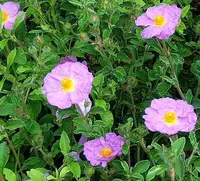
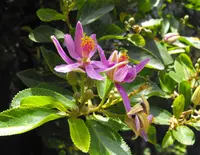
Hoary rock-rose, Cistus creticus, is a compact evergreen shrub valued for its grey-green foliage and crinkled, rose-like pink flowers. It typically forms a low, rounded mound with a naturally bushy habit.
This species is native to dry, rocky areas of the Mediterranean, where it thrives in poor, well-drained soils and full sun. Its drought tolerance and low nutrient needs make it suitable for low-maintenance gardens, rock gardens, and coastal sites.
Once established, it generally needs minimal intervention, which simplifies how to care for Hoary Rock-rose in suitable climates. However, it dislikes heavy, waterlogged soil and prolonged frost, which can limit success in colder or very wet regions.

Care Difficulty
Easy Care

Light Preference
Full Sun

Water Requirements
Low Water

Temperature Preference
Warm Climate

Hardiness Zone
8–10

Soil Texture
Sandy, Loamy, Rocky

Soil pH
Slightly acidic (6.5–7.0), Slightly alkaline (7.0–7.5)

Soil Drainage
Well-drained

Fertilization
Minimal (feed rarely)
Scan your plant to receive care tips personalized for your specific plant
Available on iOS and Android
Cistus creticus prefers bright, direct sun to develop compact growth and abundant flowers.
This drought-tolerant shrub prefers infrequent, deep watering rather than constant moisture.
This Mediterranean shrub thrives in warm, dry climates and dislikes prolonged cold or frost.
This Mediterranean shrub thrives in dry air and rarely needs humidity adjustment when grown outdoors.
This shrub prefers lean, stony substrates that drain rapidly and never stay waterlogged.
This species can be grown in containers if the pot is set up to keep the root zone dry and airy.
Cistus creticus is adapted to poor, rocky soils and needs only light feeding in cultivation.
Pruning Cistus creticus is helpful for maintaining a compact, flowering shrub and removing weak growth.
This Mediterranean shrub is usually grown in the ground; focus on careful transplanting rather than frequent repotting.
Cistus creticus is commonly propagated from semi-ripe cuttings and occasionally from seed.
This shrub is reasonably cold tolerant in mild climates but benefits from some winter protection in colder regions.

Plant Health Check
Not sure what's wrong with your plant? Check your plant's health inside the app.
The leaves and young stems produce a sticky resin called labdanum, which helps the plant tolerate intense Mediterranean sun and reduce water loss by forming a protective coating on the surface.
Its seeds often germinate better after exposure to heat or smoke, an adaptation to frequent wildfires in its native shrublands that allows rapid recolonization after burns.
The shallow, crinkled pink flowers provide easily accessible pollen to bees and other insects, making this shrub an important early to mid-season food source in dry coastal ecosystems.

Genetic and chemical studies show that Cistus creticus populations are highly variable across the Mediterranean, and some botanists treat certain morphologically distinct forms as separate subspecies, reflecting local adaptation to very specific soil and climate conditions.
This species performs best outdoors in a sunny, dry, well-ventilated spot. Indoors it usually becomes leggy, prone to root problems, and flowers poorly. Hoary Rock-rose indoor care is generally short-term only, for overwintering in bright, cool conditions.
Keep your plants happy and healthy with plant identification, disease detection, and easy care guidance.