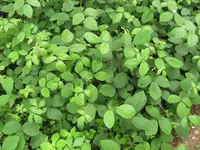
bristly locust Care (Robinia hispida)

Also known as: Rose Acacia
bristly locust

About bristly locust

Bristly locust (Robinia hispida) is a small, suckering shrub in the pea family, grown mainly for its showy pink pea-like flowers and bristly stems. It usually forms loose thickets with arching branches and compound leaves that give a light, airy look.

This species is native to the southeastern United States but is planted more widely as an ornamental and for erosion control. It grows fast, tolerates poor, dry soils, and fixes nitrogen, which makes it quite resilient but also potentially spreading.

It generally prefers full sun, well-drained soil, and moderate moisture. Basic knowledge of how to care for bristly locust helps manage its vigor and keep it from becoming too invasive in small gardens.

Main Plant Requirements

Care Difficulty

Easy Care

Light Preference

Full Sun

Water Requirements

Low Water

Temperature Preference

Cold Hardy

Hardiness Zone

5–8

Soil Texture

Sandy, Loamy, Rocky

Soil pH

Slightly acidic (6.5–7.0), Slightly alkaline (7.0–7.5)

Soil Drainage

Well-drained

Fertilization

Minimal (feed rarely)

Get Personalized Care Plan

Scan your plant to receive care tips personalized for your specific plant

Available on iOS and Android

How to Care for the bristly locust

Robinia hispida thrives in bright conditions with several hours of direct sun each day.

  • Provide 6–8 hours of direct sun daily; full sun promotes the best flowering and dense growth for bristly locust.
  • Allow light afternoon shade in hotter regions to reduce leaf scorch, especially on young or newly planted shrubs.
  • In cooler seasons, maximize exposure by avoiding shade from buildings or trees, as too much shade causes lanky stems and fewer blooms.

This shrub prefers moderate watering and benefits from clearly defined wet and dry cycles.

  • Outdoors in the ground, water deeply only when the top 5–8 cm of soil is dry, then soak the root zone rather than giving light, frequent splashes.
  • Choose well-drained soil or a sloped site so water does not pool around the base, which increases risk of root rot and yellowing foliage.
  • In hot, dry periods, watch for dull, wilting leaves as a signal to water, and avoid soggy soil, which can cause leaf drop and dieback for Robinia hispida.

This hardy shrub handles a wide temperature range once established but grows best in moderate conditions.

  • Ideal growing temperatures are around 65–80°F (18–27°C), which support strong shoot growth and reliable flowering.
  • Mature plants tolerate winter lows down to about -20°F (-29°C) in the ground, though young plants benefit from mulch to buffer freeze–thaw cycles.
  • During heat waves above 90°F (32°C), growth may slow and leaves can scorch, so prioritize soil moisture and some afternoon shade in exposed sites.

Humidity is usually not a limiting factor for Robinia hispida in typical outdoor conditions.

Robinia hispida grows best in well-drained, moderately fertile soils with a loose structure.

  • Use a loamy or sandy-loam soil with some organic matter such as compost to support root development.
  • Ensure very sharp drainage; avoid heavy clay that stays wet, as this increases risk of root rot and poor aeration.
  • Aim for slightly acidic to neutral pH around 6.0–7.5, which supports nutrient availability without major adjustments.
  • For containers, mix roughly 60% gritty potting mix with 40% mineral material such as coarse sand or fine gravel to keep pores open.

This species can be grown in containers, mainly as a short-term ornamental shrub or patio specimen rather than a long-term tree.

  • Choose a wide, heavy container to counteract the plant’s top-heavy, suckering growth and reduce tipping in wind.
  • Use a deep pot that allows for a strong taproot and lateral roots, preventing the plant from becoming drought-stressed too quickly.
  • Select a rigid material such as thick ceramic or heavy plastic to stabilize the root mass and maintain even moisture in windy, exposed spots.

Robinia hispida usually grows well in average soil and needs only modest feeding to support flowering and new growth.

  • Apply a light layer of compost around the root zone in early spring to enrich soil organically.
  • Use a balanced slow-release fertilizer (around 10-10-10) once in spring for young or nutrient-poor plantings.
  • Dilute any liquid balanced NPK fertilizer to 1/2 strength and water in thoroughly to avoid root burn.
  • Avoid feeding in late fall and winter, as the plant is dormant and additional nutrients are not used.

Robinia hispida responds well to thoughtful pruning that maintains structure and encourages flowering wood.

  • Carry out main pruning in late winter or very early spring before buds break.
  • Remove dead, diseased, or damaged branches first, then thin crowded stems to improve light and air flow.
  • Shorten weak or straggly shoots to shape the shrub and promote stronger flowering stems.
  • Use clean, sharp bypass pruners for small branches and a pruning saw for thicker, woody growth.

This shrub is usually grown in the ground, so focus on careful transplanting rather than frequent repotting.

  • Transplant young Robinia hispida in early spring or fall when temperatures are mild and soil is workable.
  • Look for signs like poor vigor, roots circling a nursery pot, or the plant becoming unstable before moving it.
  • Dig a wide planting hole, loosen circling roots gently, and set the crown at the same soil level as before.
  • Water deeply after transplanting and maintain even moisture for several weeks to reduce root stress and improve establishment.

New plants are most often produced from seed or suckers, with cuttings used less commonly for Robinia hispida.

  • Collect ripe seed pods in late summer, then sow seeds in fall or stratify them cool for 6–8 weeks before spring sowing.
  • Lightly scarify hard seed coats with sandpaper to improve water uptake and germination rates.
  • Lift and separate rooted suckers in early spring, replanting them promptly at the same depth in prepared soil.
  • For semi-hardwood cuttings in summer, use a well-drained medium, apply rooting hormone, and keep humidity high until roots form.

This species is generally cold hardy in much of its range and needs minimal winter attention once established.

  • Mulch the root zone with 5–8 cm of bark or leaves in late fall to moderate soil temperature and moisture.
  • In very cold or exposed sites, consider staking young stems to reduce damage from heavy snow or ice.
  • Container-grown bristly locust should be moved to a sheltered, unheated but frost-free spot in harsher climates.

Care Tips

Use structural staking

Install sturdy wooden or metal stakes early and loosely tie young shoots to support the brittle stems and prevent wind breakage as the shrub develops height.

Encourage multi-stem form

After establishment, selectively head back the central leaders in late winter to promote a low, multi-stem structure that better resists storm damage and produces more flowering wood.

Manage suckering spread

Check the surrounding soil line 2–3 times per year and promptly cut or spade out suckers at their origin if you want to confine the plant to a defined bed or hedge line.

Protect from trunk borers

Keep the base free of tall weeds, avoid mechanical injury from string trimmers, and inspect stems annually for borer holes or frass so infested shoots can be pruned out before damage spreads when growing bristly locust.

Plan for thorns

Site the shrub away from narrow paths, children’s play areas, and high-traffic zones, and use heavy gloves and long sleeves during pruning or cleanup to reduce injury from the bristly stems.

Common Pests and Diseases

Locust borer

This pest is a longhorn beetle whose larvae tunnel into trunks and branches, weakening the wood and causing dieback. Symptoms include oozing sap, frass (sawdust-like material), and broken or wilting stems.

Solution

Prune and destroy infested stems in late winter before larvae complete development, and dispose of all prunings away from the plant. Keep trees vigorous with proper watering and avoid wounding the bark; in high-pressure areas, consult a local arborist about timing-targeted trunk or branch sprays with a labeled borer product during adult flight in late summer to early fall.

Black locust leaf miner

These insects are small moth larvae that feed between the upper and lower leaf surfaces, creating brown blotches and causing leaves to curl and brown prematurely. Damage can make the plant look scorched but usually does not kill established shrubs or trees.

Solution

Rake and destroy fallen leaves in autumn to reduce overwintering larvae and future populations. For young or highly stressed plants, encourage natural predators, avoid broad-spectrum insecticides, and consider using a labeled systemic treatment only if defoliation is severe for multiple years in a row.

Black locust gall midge

These insects are tiny flies whose larvae cause small, swollen, blister-like galls on leaflets and sometimes on young shoots. Symptoms include distorted foliage and clusters of irregular bumps that may turn yellow or brown.

Solution

Prune and discard heavily galled twigs during the dormant season and again in early summer to reduce larval numbers. Maintain plant vigor with proper site selection and watering; chemical control is rarely needed and is usually less effective than sanitation and allowing natural enemies to build up.

Powdery mildew

This disease appears as white or gray powdery patches on leaves, young stems, and flower stalks, which can lead to yellowing and premature leaf drop in humid, shaded conditions. Symptoms include dull, mottled foliage and reduced vigor on heavily affected plants.

Solution

Increase air circulation by spacing plants correctly and pruning congested growth, and avoid overhead watering late in the day so foliage dries quickly. Remove and discard heavily infected leaves and consider applying a labeled horticultural oil or potassium bicarbonate product at the first sign of disease, especially in regions where growing bristly locust in shade is unavoidable.

Interesting Facts

Bristly stem armor

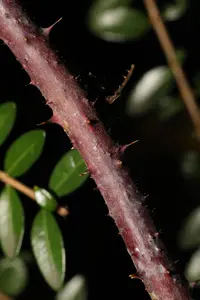
The stems are covered with stiff, reddish bristles rather than hard spines, an unusual feature among temperate legumes that likely helps reduce herbivory without the metabolic cost of woody thorns.

Nitrogen-fixing shrub legume

As a member of the pea family, this shrub forms root nodules with nitrogen-fixing bacteria, allowing it to colonize poor, disturbed soils and gradually enrich them with nitrogen.

Showy yet short-lived

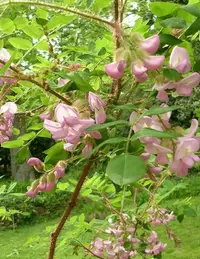
It produces large, drooping clusters of pink to rose-purple flowers in late spring, but individual shrubs tend to be relatively short-lived and often regenerate from suckers arising from the root system.

Botan icon

Did you know?

Robinia hispida has been widely moved beyond its native southeastern United States range as an ornamental, and in several regions it now behaves as an escape from cultivation, forming local naturalized populations along roadsides, railways, and disturbed woodland edges.

FAQs about bristly locust

This shrub spreads by root suckers and can form dense thickets if not managed. In garden settings, regular removal of suckers and thoughtful placement away from small beds or delicate neighbors usually keeps it under control.

Grow Healthy Plants with Botan Care

Keep your plants happy and healthy with plant identification, disease detection, and easy care guidance.

Botan plant care app — identify plants on mobile

Explore More Plants