featherleaf rodgersia Care (Rodgersia pinnata)

featherleaf rodgersia

About featherleaf rodgersia

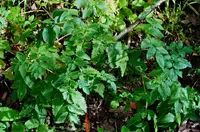
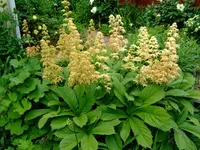
Featherleaf rodgersia (Rodgersia pinnata) is a hardy, clump-forming perennial grown mainly for its bold, textured foliage. It sends up tall stems with divided, feather-like leaves that create a lush, architectural look in shaded borders.

The plant naturally occurs in moist woodland and streamside habitats in parts of China. In gardens it prefers cool conditions, consistent moisture, and humus-rich soil that does not dry out.

Rodgersia pinnata is not difficult if its moisture and shade needs are met, but it can struggle in hot, dry, or exposed sites. Understanding how to care for featherleaf rodgersia helps it develop dense clumps and reliable flower stems over time.

Main Plant Requirements

Care Difficulty

Moderate Care

Light Preference

Partial Shade

Water Requirements

Keep Soil Moist

Temperature Preference

Cold Hardy

Hardiness Zone

5–7

Soil Texture

Loamy, Silty, Organic-rich

Soil pH

Acidic (5.5–6.5), Slightly acidic (6.5–7.0)

Soil Drainage

Moist but well-drained

Fertilization

Light (every 4–6 weeks)

Get Personalized Care Plan

Scan your plant to receive care tips personalized for your specific plant

Available on iOS and Android

How to Care for the featherleaf rodgersia

This moisture-loving perennial prefers bright but gentle light, similar to a woodland edge.

  • Provide 2–4 hours of soft morning sun with dappled or open shade the rest of the day; strong afternoon sun scorches the large leaves.
  • In hot summers, plant featherleaf rodgersia where it receives filtered light under trees or on the east or north side of buildings.
  • Watch foliage color and texture: pale, crispy, or bronzed leaves indicate too much sun, while very loose, floppy growth suggests too little light.

This plant needs steady soil moisture and reacts quickly to drying out.

  • Aim for evenly moist soil; in the growing season, water when the top 2–3 cm feel barely moist, not fully dry or soggy.
  • Use rich, organic soil that drains slowly but does not stay waterlogged; mulch 5–8 cm deep to reduce evaporation and stabilize moisture.
  • Signs of underwatering include drooping leaves by midday that recover after watering, while yellowing, mushy stems or a sour smell suggest overwatering, especially in heavy clay.

This hardy perennial prefers cool to mild conditions with a distinct winter chill.

  • Active growth is strongest at 55–75°F (13–24°C), with lush foliage in cool, moist summers and partial shade in warmer regions.
  • Rodgersia pinnata tolerates winter lows near 0°F (−18°C) once established, dying back to the crown and regrowing in spring.
  • In heat waves above 85°F (29°C), provide extra shade and soil moisture; high heat plus dry soil causes leaf scorch and reduced leaf size later in the season.

This woodland perennial prefers consistently moist air and benefits from higher humidity than many garden plants.

  • Aim for 50–70% humidity, especially in warmer regions or exposed sites.
  • In very dry air the foliage may brown at the edges, curl slightly, or develop crispy patches between veins.
  • To increase humidity outdoors, plant near water features, group with other moisture-loving plants, or use thick organic mulch to keep the local microclimate damp.

Rodgersia pinnata thrives in deep, moisture-retentive but aerated soil that mimics a rich woodland floor.

  • Use a loamy structure with high organic matter, combining garden loam with composted bark or leaf mold to hold moisture without becoming heavy.
  • Ensure slow, even drainage; the soil should stay damp but never waterlogged, which quickly leads to root rot.
  • A slightly acidic to neutral pH of about 6.0–7.0 supports nutrient uptake and stable growth.
  • Improve both aeration and drainage by working in coarse compost, fine bark, and a small amount of sharp sand while avoiding dense, unmixed clay.

This species can be grown in containers, but only in large, consistently moist setups that mimic a damp border.

  • Choose a wide, deep container that allows a broad root system and offsets the weight of large, heavy leaf stalks in wind.
  • Opt for thick-walled, non-porous pots, such as glazed ceramic, to slow evaporation and stabilize moisture levels around the roots.
  • Use a heavy, compost-rich mix and place the pot where it is sheltered from strong gusts to reduce tipping risk as foliage reaches full size.

Rodgersia pinnata benefits from modest feeding in nutrient-poor soils but often grows well in rich garden beds with little extra input.

  • Use a balanced, slow-release fertilizer (for example 10-10-10) or a thin layer of garden compost in early spring.
  • Apply once in spring and, if growth is weak, again in midsummer during the active growing season.
  • Dilute liquid feeds to 1/2 strength to avoid burning sensitive roots and foliage.
  • Stop feeding in late summer so featherleaf rodgersia can harden off before winter dormancy.

Rodgersia pinnata needs only light pruning to keep clumps tidy and support healthy new growth.

  • Cut back spent flower stalks after blooming to direct energy into roots and foliage.
  • In late autumn or very early spring, remove dead, damaged, or diseased leaves at the base.
  • Thin out congested, overlapping leaf stalks to improve air movement and reduce foliar disease risk.
  • Use clean, sharp hand pruners and make smooth cuts close to the crown without injuring buds.

This moisture-loving perennial is usually grown in the ground, so care focuses on dividing and transplanting mature clumps rather than frequent repotting.

  • Transplant or divide in early spring or early autumn when temperatures are mild and soil is moist.
  • Look for crowded clumps, declining vigor, or bare centers as signs the plant needs lifting and division every 4–6 years.
  • Lift the clump carefully, tease or cut it into sections with several buds and healthy roots, and replant at the same depth.
  • Water thoroughly after planting, shade from intense sun for 1–2 weeks, and keep soil evenly moist to limit root stress.

Rodgersia pinnata is most commonly propagated by division, with seed used mainly for breeding or patient growers.

  • Divide mature clumps in early spring as new shoots emerge, keeping 2–3 buds and firm rhizomes in each piece.
  • Replant divisions into humus-rich, consistently moist soil and water well to settle roots.
  • For seed, sow fresh in autumn in trays outdoors for natural cold stratification and uneven germination.
  • Maintain cool, evenly moist conditions and light shade around young plants until root systems are well established.

This perennial is generally cold hardy in temperate climates and needs only modest winter care once established.

  • After hard frost, allow top growth to die back, then cut it to ground level in late autumn or early spring.
  • Apply a 5–8 cm layer of organic mulch over the root zone to buffer freeze–thaw cycles.
  • In very cold or exposed sites, increase mulch depth and avoid waterlogged soil around the crown.

Care Tips

Seasonal Mulch Management

Apply a 5–8 cm layer of shredded bark or leaf mold in late spring to keep roots cool and moist, then top it up each autumn to protect the crown and improve soil structure over time.

Divide For Vigor

Lift and divide crowded clumps every 4–6 years in early spring, replanting only the healthiest rhizome sections with at least 2–3 buds to maintain strong growth and better flowering.

Protect Emerging Shoots

Mark the clump in late winter and place low hoops or canes around it so emerging red shoots are easy to see and avoid damage from trampling or early-season maintenance.

Support Heavy Foliage

Install low, discreet ring supports or peony hoops around the plant in early spring so large leaf stalks and flower stems stay upright and are less likely to flop after heavy rain.

Use Deciduous Companions

Plant it among open-branched deciduous shrubs or small trees that provide bright spring light and then partial summer shade, which creates a stable microclimate ideal for growing featherleaf rodgersia.

Common Pests and Diseases

Slugs and snails

This pest is strongly attracted to the large, soft Rodgersia leaves, especially in cool, damp shade. Symptoms include irregular holes, shredded new growth, and slime trails on or around the plant.

Solution

Hand-pick in the evening or early morning, use beer traps or iron phosphate slug pellets, and remove nearby debris where they hide. Copper tape around containers and coarse mulches (sharp grit, crushed eggshells) around clumps help reduce damage, and keeping the area slightly less cluttered improves monitoring and control.

Powdery mildew

This disease can develop on Rodgersia foliage during warm days with cool, humid nights and poor air movement. Symptoms include white, powdery patches on the upper leaf surface, often starting on older or crowded leaves.

Solution

Remove and discard affected leaves to reduce spore levels, then improve spacing and airflow around the clump. Avoid overhead watering, water at soil level in the morning, and if needed apply a sulfur or potassium bicarbonate fungicide labeled for ornamental perennials according to the product directions.

Leaf spot

This disease appears as small brown, purple, or tan spots that may merge into larger blotches, often following prolonged wet weather. Symptoms include premature yellowing and early leaf drop, especially on crowded or shaded plants.

Solution

Cut off and discard badly affected leaves and keep the soil surface clear of fallen foliage. Water at the base in the morning, avoid wetting the leaves, and if the problem recurs yearly, apply a copper-based or chlorothalonil fungicide labeled for ornamental foliage plants early in the season as part of Rodgersia pinnata care instructions.

Vine weevil

This pest can occasionally attack Rodgersia in containers or in the ground. These insects cause notched edges on leaves (adults) while the grubs feed on roots, leading to wilting or collapse despite moist soil.

Solution

Inspect for adult beetles at night and pick them off by hand, and check container rootballs for creamy white, C-shaped grubs, discarding heavily infested soil. Use biological controls such as entomopathogenic nematodes targeted for vine weevil in late summer or early fall, and avoid keeping containers constantly wet, which favors grub survival.

Interesting Facts

Textured umbrella foliage

This species forms large, palmately divided leaves on long stalks that create an umbrella-like canopy, giving deep shade to its own crown and helping cool the soil surface in summer.

Natural streamside specialist

Rodgersia pinnata is native to moist, cool stream margins and woodland ravines in China, where it often grows in consistently damp, humus-rich soils along watercourses.

Early-season pollinator resource

Its airy panicles of small star-shaped flowers appear in late spring to early summer and are visited by a range of small flies and bees, providing a nectar source in partly shaded habitats.

Botan icon

Did you know?

Rodgersia pinnata was introduced to European cultivation in the late 19th century and quickly became a key parent in many garden hybrids, prized by plant breeders for its combination of bold foliage and finely textured flower plumes.

FAQs about featherleaf rodgersia

This species spreads slowly by rhizomes, forming broad clumps over several years rather than running aggressively. It can gradually fill a shaded border, but edging or root barriers help keep it within a defined area if space is limited.

Grow Healthy Plants with Botan Care

Keep your plants happy and healthy with plant identification, disease detection, and easy care guidance.

Botan plant care app — identify plants on mobile

Explore More Plants