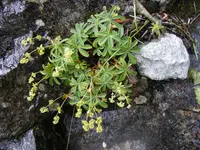
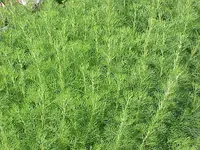
Wormwood Care (Artemisia 'Powis Castle')

Also known as: Artemisia
Wormwood

About Wormwood

Wormwood Artemisia 'Powis Castle' is a woody, semi-evergreen subshrub grown mainly for its finely divided, silver-gray foliage. It forms a dense, rounded mound that adds contrast and texture to borders and mixed plantings.

This cultivar is derived from Mediterranean Artemisia species, so it naturally prefers dry, sunny conditions and poor, well-drained soil. Its aromatic leaves and drought tolerance make it suitable for low-maintenance gardens.

Growth is usually compact and controlled, which helps gardeners care for Wormwood without frequent pruning. It is generally easy to grow when given full sun, good drainage, and protection from prolonged winter wet.

Main Plant Requirements

Care Difficulty

Easy Care

Light Preference

Full Sun

Water Requirements

Low Water

Temperature Preference

Cold Hardy

Hardiness Zone

6–9

Soil Texture

Sandy, Loamy, Rocky

Soil pH

Slightly acidic (6.5–7.0), Slightly alkaline (7.0–7.5)

Soil Drainage

Well-drained

Fertilization

Minimal (feed rarely)

Get Personalized Care Plan

Scan your plant to receive care tips personalized for your specific plant

Available on iOS and Android

How to Care for the Wormwood

Artemisia 'Powis Castle' needs plenty of sun to stay compact and silvery.

  • Provide 6–8 hours of direct sun daily; morning and midday sun are ideal, with some protection from intense late-afternoon summer sun in very hot regions.
  • The plant tolerates light partial shade (3–4 hours sun) but may become looser and less dense, with greener foliage and fewer aromatic oils.
  • In winter, full sun helps prevent leggy growth; in cooler coastal climates it can handle all-day sun, while Wormwood may scorch in reflected heat near walls.

This drought-tolerant shrub prefers infrequent, deep watering in fast-draining soil.

  • Allow the top 5–7 cm of soil to dry fully before watering; in established garden plants, this often means waiting until foliage looks slightly less perky, then soaking the root zone once.
  • Reduce watering in cool or wet seasons and avoid irrigation during prolonged rain to limit root rot risk in Artemisia 'Powis Castle'.
  • Signs of overwatering include yellowing, limp stems, and a musty soil smell; crisp, browning leaf tips and very light, shrinking soil indicate underwatering.

This plant prefers warm, dry conditions and tolerates moderate cold once established.

  • Optimal growing temperatures are 65–80°F (18–27°C), with good airflow helping the foliage stay dry and disease-free.
  • Mature plants tolerate down to about 0°F (−18°C) in well-drained soil, though top growth may die back in severe winters and resprout from the base in spring.
  • Artemisia 'Powis Castle' handles dry summer heat up to about 95°F (35°C) if soil is not waterlogged, but prolonged humidity and heat together increase rot risk.

Artemisia 'Powis Castle' handles low humidity well and rarely needs special humidity management.

Artemisia 'Powis Castle' prefers lean, well-drained soil that dries quickly between waterings.

  • Use a sandy or gritty loam with low to moderate organic matter to mimic its naturally dry habitats.
  • Aim for slightly alkaline to neutral pH, around 7.0–7.8, avoiding strongly acidic mixes.
  • Combine roughly 50–60% general-purpose potting mix with 40–50% mineral material such as coarse sand, grit, or perlite for sharp drainage.
  • Avoid heavy clay, water-retentive compost, or constantly wet substrates, which promote root and crown rot.

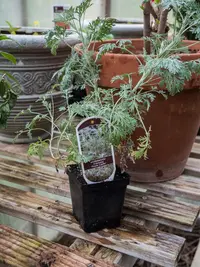
This species is well suited to container growing, especially in sunny, dry sites.

  • Choose a wide, heavy container to stabilize the plant’s spreading, woody top growth in windy conditions.
  • Select unglazed terracotta if extra evaporation is needed to keep the root zone on the dry side.
  • Raise the pot on feet or bricks so drainage holes stay clear and runoff can escape quickly after rain or watering.

This drought-tolerant Wormwood needs only light feeding to stay compact and healthy in average garden soil.

  • Apply a thin layer of compost around the base in early spring to support new growth.
  • Use a low-dose balanced granular or slow-release fertilizer once in spring if soil is poor, avoiding high-nitrogen products.
  • Dilute liquid balanced fertilizer to 1/4–1/2 strength for container plants every 4–6 weeks during active growth.
  • Stop feeding in late summer and avoid fertilizing in winter dormancy to prevent weak, tender shoots.

Thoughtful pruning keeps Artemisia 'Powis Castle' dense, silvery, and well-shaped.

  • In late winter or very early spring, cut back the plant by about one-third to refresh foliage and maintain a rounded form.
  • Remove dead, damaged, or leggy stems throughout the growing season using clean, sharp pruners.
  • Thin crowded interior stems lightly to improve air circulation and reduce fungal issues.
  • Avoid cutting into old, woody bases; leave some leafy growth on each stem to ensure regrowth.

This shrub-like Artemisia is usually grown in the ground but can be transplanted or potted on when growth slows or roots crowd the space.

  • Plan transplanting or repotting for early spring or early fall when temperatures are mild.
  • Check for roots circling the pot drainage holes or noticeably slowed growth as signals to move up 1 pot size.
  • Lift with as much root ball as possible, handle roots gently, and set into well-drained, sandy or gritty soil.
  • Water thoroughly after planting, then allow soil to dry slightly between waterings to limit transplant shock and root rot.

New plants of Artemisia 'Powis Castle' are most reliable from cuttings or division rather than seed.

  • Take 7–10 cm semi-ripe stem cuttings in late spring or summer, removing lower leaves.
  • Insert cuttings into a gritty, well-drained mix, keep evenly lightly moist, and provide bright, indirect light.
  • Use rooting hormone on cut bases to improve rooting success and reduce rot risk.
  • In early spring, divide larger clumps, replanting vigorous outer sections into sharp-draining soil.

Established plants are fairly cold hardy but benefit from simple winter care in colder regions.

  • Tolerates light to moderate frost once established, especially in well-drained soil.
  • In zones with freezing winters, add a 5–8 cm mulch layer around the root zone, keeping mulch off stems.
  • Leave top growth over winter in very cold areas, then cut back in late winter after the worst freezes.

Care Tips

Shear For Density

Lightly shear the outer 5–8 cm of growth in late spring and again in midsummer to keep the plant compact, increase branching, and maintain a dense, silvery mound.

Prevent Woody Centers

Every 3–4 years, dig up and divide the plant in early spring, replanting only the vigorous outer sections to avoid a bare, woody center and to rejuvenate overall growth.

Improve Air Circulation

Space plants at least 45–60 cm apart and avoid crowding with tall, leafy perennials to reduce humidity around the foliage and lower the risk of foliar disease when growing Wormwood.

Use Gravel Mulch

Apply a 2–3 cm layer of coarse gravel or small stone around the base instead of organic mulch to keep stems dry at the crown and prevent rot in wet periods.

Weatherproof In Wind

In exposed sites, place low, unobtrusive hoops or a short border fence on the windward side to reduce wind rock and prevent stems from splitting or lodging in storms.

Common Pests and Diseases

Aphids

These insects cluster on young shoots and flower stems, sucking sap and causing distorted, sticky growth. This pest is more common on lush, overfed plants or those grown in sheltered sites.

Solution

Rinse colonies off stems with a firm stream of water, then inspect weekly and repeat as needed. Encourage ladybugs and lacewings, avoid high-nitrogen fertilizers, and if populations persist, spot-treat with insecticidal soap or a light horticultural oil, coating stems and leaf bases thoroughly.

Spittlebugs

These insects produce white, frothy masses on stems and in leaf axils, where they feed on sap but rarely cause severe damage. This pest appears most often in spring on outdoor plants.

Solution

Squeeze or wash off the foam masses with a strong stream of water to remove both the insects and their protection. In gardens with recurring issues, reduce nearby weedy growth that shelters nymphs and monitor new shoots in spring, removing any fresh spittle promptly.

Powdery mildew

This disease causes a white, powdery film on leaves and stems, which can dull foliage and reduce vigor in dense, humid plantings. Symptoms include patchy white growth that may spread over time if air circulation is poor.

Solution

Thin or lightly prune stems to improve airflow, avoid overhead watering, and water only at the base in the morning. Remove and discard heavily affected stems, and if needed, apply a sulfur or potassium bicarbonate fungicide labeled for ornamental use, covering all leaf surfaces.

Botrytis blight

This disease appears as soft, brown lesions on stems and leaves, often covered by gray, fuzzy mold in cool, damp weather. Symptoms include dieback of stem tips and spotting on foliage in crowded or poorly ventilated sites.

Solution

Cut out and dispose of infected stems, keeping foliage as dry as possible by watering at soil level and early in the day. Improve spacing and airflow around plants, remove spent flower stalks and debris, and in persistent cases use a fungicide labeled for botrytis, rotating products to reduce resistance.

Root and crown rot

This disease develops in poorly drained or overwatered soils, leading to sudden wilting, yellowing foliage, and dieback starting at the base of the plant. Symptoms include blackened, mushy roots and crowns when plants are dug up.

Solution

Remove and discard severely affected plants, then correct drainage by amending soil with grit or sand and avoiding frequent irrigation. When replanting or deciding how to take care of Wormwood in the same area, use raised beds or mounds, keep mulch away from the crown, and water only when the top layer of soil has fully dried.

Interesting Facts

Hybrid of uncertain origin

This cultivar does not occur in the wild and is thought to be a complex hybrid, most likely between Artemisia arborescens and Artemisia absinthium, although its exact parentage has never been conclusively proven by formal genetic study.

Sterile, no seedlings

It is effectively sterile and almost never sets viable seed, so it is maintained and spread almost entirely through human-made cuttings rather than natural self-sowing.

Strongly dissected foliage

The silver foliage is so finely divided that each leaf forms many narrow segments, increasing surface area while still limiting water loss through a dense covering of fine hairs and waxes.

Botan icon

Did you know?

This plant gained rapid international popularity only after being selected in the 1970s by British plantsman Jim Hancock at Powis Castle in Wales, and most plants in gardens worldwide today are clonal descendants of that single original selection.

FAQs about Wormwood

This species is a woody perennial, returning each year from the same root system. Individual stems may become woody and sparse over time, so periodic renewal pruning helps maintain a dense, attractive mound as plants age.

Grow Healthy Plants with Botan Care

Keep your plants happy and healthy with plant identification, disease detection, and easy care guidance.

Botan plant care app — identify plants on mobile

Explore More Plants