crossberry Care (Grewia occidentalis)

Also known as: pink donkeyberry, Common Crossbery, Common Cross-berry Raisin, Four Corners
crossberry

About crossberry

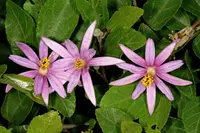
Crossberry, Grewia occidentalis, is a small evergreen shrub or compact tree valued for its star-shaped purple flowers and decorative orange-brown fruits. It has a naturally bushy, branching habit and can be trained as a screen, informal hedge, or container specimen. Native to southern Africa, it is adapted to warm, sunny climates with periods of dryness. This species is generally forgiving once established, though young plants appreciate consistent moisture and well-drained soil. Its moderate growth rate and resilience to light pruning make it suitable for gardeners learning how to care for crossberry.

Main Plant Requirements

Care Difficulty

Moderate Care

Light Preference

Full Sun

Water Requirements

Moderate Water

Temperature Preference

Warm Climate

Hardiness Zone

9–11

Soil Texture

Sandy, Loamy, Organic-rich

Soil pH

Acidic (5.5–6.5), Slightly acidic (6.5–7.0)

Soil Drainage

Well-drained

Fertilization

Light (every 4–6 weeks)

Get Personalized Care Plan

Scan your plant to receive care tips personalized for your specific plant

Available on iOS and Android

How to Care for the crossberry

This sun-loving shrub flowers best with strong light but tolerates some shade in hot climates.

  • Provide 6–8 hours of direct sun daily, ideally with morning sun and light afternoon shade to protect leaves from scorching.
  • In very hot regions, give crossberry filtered light during the harshest midday hours to reduce stress and leaf burn risk.
  • In winter, aim to maximize light exposure by avoiding heavy shade from buildings or trees, which can reduce flowering the following season.

Grewia occidentalis prefers evenly moist, well-drained soil that never stays soggy for long.

  • Water when the top 3–5 cm of soil feels dry, applying a deep soak so moisture reaches the root zone, then allow excess to drain away.
  • During active growth in spring and summer, expect to water more often, reducing frequency in fall and winter as temperatures and growth slow.
  • Watch for yellowing, soft leaves as a sign of overwatering and crisp, drooping foliage as a sign of underwatering, then adjust your schedule.

This shrub thrives in warm, mild climates and dislikes freezing conditions or intense prolonged heat.

  • Optimal growth occurs around 65–80°F (18–27°C), with steady temperatures supporting flowering and overall vigor.
  • Plants tolerate brief drops to about 30–32°F (-1–0°C), but repeated or hard frosts can damage new growth and branches.
  • In hot summers above 90°F (32°C), provide mulch and some afternoon shade to keep roots cooler and reduce heat stress.

This species handles a wide humidity range but grows best with moderately moist air.

  • Aim for 40–60% humidity for steady growth of crossberry foliage and flowers.
  • It tolerates typical heated indoor air but prolonged levels below 30% can cause leaf edge browning and slight curling.
  • Increase humidity by grouping plants, placing the pot on a water-and-pebble tray, or using a small room humidifier nearby.

This shrub prefers loose, well-drained, slightly sandy soil that still holds some organic matter.

  • Use a mix of roughly 50% loam or all-purpose potting mix, 25% coarse sand, and 25% perlite or fine bark to support aeration and fast drainage.
  • Keep soil pH slightly acidic to neutral, around 6.0–7.0, which suits Grewia occidentalis root function and nutrient uptake.
  • Improve drainage in heavy ground by raising the planting area on a low mound and mixing in coarse sand and fine gravel.
  • Avoid waterlogged, compacted, or heavy clay soil, since this quickly leads to root decline and increased disease pressure.

This species is well suited to container cultivation when roots receive ample space and sharp drainage.

  • Choose a deep, broad container that allows a developing shrub root system to spread laterally without circling tightly.
  • Select a relatively heavy pot material, such as thick terracotta or concrete, to keep the plant stable in wind as the canopy becomes woody.
  • Elevate the container slightly on pot feet or bricks so drainage holes release water freely and do not sit blocked against the ground.

Grewia occidentalis benefits from moderate feeding during active growth but does not need heavy fertilization.

  • Use a balanced liquid fertilizer (for example 10-10-10) at 1/2 strength every 4–6 weeks in spring and summer.
  • Alternatively, apply a slow-release granular fertilizer once in mid-spring for container-grown crossberry.
  • In autumn, reduce feeding sharply and stop during winter dormancy to prevent weak, elongated growth.
  • On outdoor plants in the ground, a light top-dressing of compost in spring is usually sufficient.

Pruning Grewia occidentalis helps maintain a tidy shrub shape and encourages better flowering.

  • Carry out main pruning in late winter or very early spring before strong new growth begins.
  • Remove dead, damaged, or crossing stems first, then thin crowded interior branches to improve light and airflow.
  • Shorten excessively long shoots to maintain desired size and a balanced outline without cutting into very old wood.
  • Use clean, sharp hand pruners, making angle cuts just above outward-facing buds or side branches.

This shrub handles light root disturbance but benefits from careful timing when moved or potted up.

  • Look for roots circling the pot drainage holes, slow growth, or frequent wilting as signs it needs more space.
  • Plan repotting or garden transplanting for early spring, just before sustained new growth starts.
  • Expect container plants to need a larger pot about every 2–3 years, using a well-drained, slightly sandy mix.
  • Water deeply before and after moving, keep the root ball intact, and shade from strong sun for 3–5 days to limit stress.

Grewia occidentalis is commonly propagated from semi-ripe cuttings and seeds under warm, stable conditions.

  • Take semi-ripe stem cuttings in late spring to mid-summer, 8–10 cm long with 2–3 nodes.
  • Insert cuttings into a free-draining mix, use rooting hormone, and maintain 70–80°F with high humidity and bright, indirect light.
  • Sow fresh seeds in warm spring conditions, lightly covered, and keep evenly moist until germination.
  • Once rooted or sprouted, acclimate young plants gradually to stronger light and slightly drier conditions before potting on.

This shrub is only mildly frost tolerant and needs some protection in colder regions.

  • In climates colder than about 25°F, grow in containers and move plants indoors or into a frost-free greenhouse for winter.
  • Mulch the root zone with 5–8 cm of organic material in late autumn to buffer soil temperature fluctuations.
  • In marginal climates, position plants against a sheltered wall and avoid cold, waterlogged soils to reduce winter damage.

Care Tips

Fan training

Install a small trellis or horizontal wires and gently tie new shoots outwards in a fan shape to increase flowering surfaces and keep the plant flat against a wall or fence.

Post-bloom trimming

After the main flowering flush, lightly shorten only the spent flowering stems to encourage a second wave of blooms without sacrificing next season’s growth framework.

Mulch for root comfort

Apply a 3–5 cm layer of fine bark or composted mulch over the root zone, keeping it a few cm away from the stem, to buffer soil temperature and reduce moisture swings that stress this species.

Salt wind protection

In coastal areas, place the plant where buildings or taller shrubs break direct salt-laden winds, and lightly hose the foliage after storms to reduce salt buildup on leaves.

Scale and mite checks

Inspect the undersides of leaves and young stems every 2–3 weeks, and at the first sign of scale or mites, use a horticultural oil spray applied in the cool part of the day as part of consistent Grewia occidentalis plant care.

Common Pests and Diseases

Aphids

This pest commonly clusters on new shoots and flower buds, sucking sap and causing distortion, sticky honeydew, and sooty mold on crossberry shrubs.

Solution

Rinse colonies off tender growth with a strong but controlled stream of water, then spot-treat remaining insects with insecticidal soap or a light horticultural oil, repeating weekly until populations collapse; encourage lady beetles and lacewings outdoors by avoiding broad-spectrum chemicals.

Red spider mites

These insects thrive in hot, dry conditions, causing fine stippling, dulling of leaves, and fine webbing on the undersides of Grewia leaves.

Solution

Increase humidity around the plant, hose down foliage thoroughly (including leaf undersides), and apply a miticidal soap or neem oil on a 7–10 day cycle until new growth appears clean; for container plants, isolate and monitor closely, as part of practical Grewia occidentalis plant care.

Scale insects

This pest appears as small, dome-shaped bumps along stems and leaf veins, weakening plants through steady sap loss and leaving sticky honeydew on foliage and nearby surfaces.

Solution

Gently scrape or wipe off accessible scales with a cotton pad dipped in alcohol, prune heavily infested twigs, and follow with several rounds of horticultural oil spray to smother remaining juveniles, paying special attention to stem joints and the undersides of leaves.

Leaf spot

This disease produces small brown to purple spots on leaves that may expand and cause yellowing or premature leaf drop, especially in humid or crowded conditions.

Solution

Remove and discard affected leaves, improve air circulation by thinning dense growth, and avoid overhead watering; in persistent cases outdoors, apply a labeled copper or chlorothalonil fungicide during wet periods to protect new foliage.

Interesting Facts

Four-lobed edible fruits

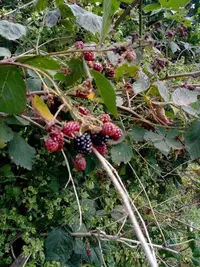
The plant produces distinctive purple-brown fruits with four lobes, which are fleshy, mildly sweet, and eaten by both people and wildlife in its native range in southern Africa.

Host for butterfly larvae

In its natural habitat, this species serves as a larval food plant for several butterflies, including some African cowries and blues, supporting local insect diversity.

Salt and wind tolerance

The shrub shows good tolerance to coastal conditions, including wind and salt spray, which makes growing crossberry suitable for coastal gardens in mild climates.

Botan icon

Did you know?

The star-shaped pink to mauve flowers of this species open over an extended season, often from late spring into autumn in mild climates, providing a long-lasting nectar source for bees and other pollinators in its native ecosystems.

FAQs about crossberry

Lack of flowers often comes from insufficient light, heavy pruning at the wrong time, or nutrient imbalance from high-nitrogen fertilizer. Ensure strong light, avoid cutting new flower shoots, and use a balanced, low-nitrogen formula.

Grow Healthy Plants with Botan Care

Keep your plants happy and healthy with plant identification, disease detection, and easy care guidance.

Botan plant care app — identify plants on mobile

Explore More Plants