Early stem training
While stems are still flexible, loosely tie the main shoot to a sturdy stake to encourage a single straight trunk and reduce future wind damage as the plant gains height.

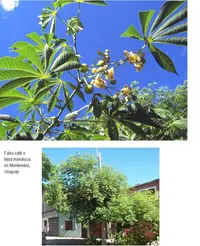
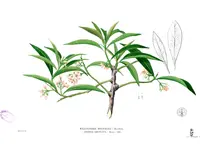
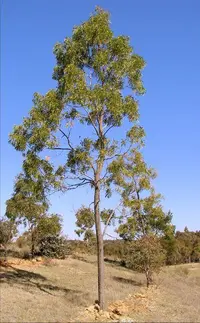
Graham's manihot (Manihot grahamii) is a fast-growing shrub or small tree from South America, related to the cassava plant. It is usually grown as an ornamental for its large, deeply lobed leaves and airy, open branching structure that gives a light, tropical look.
In mild climates it can become a small tree outdoors, while in cooler areas it is often grown in containers and cut back regularly. It prefers warm conditions, good light, and well-drained soil, which makes it fairly easy to manage if those basics are met.
Gardeners looking to care for Graham's manihot should know it responds well to pruning and tends to grow quickly during the warm season, then slow or rest in cooler weather.

Care Difficulty
Moderate Care

Light Preference
Full Sun

Water Requirements
Moderate Water

Temperature Preference
Warm Climate

Hardiness Zone
8–11

Soil Texture
Sandy, Loamy, Organic-rich

Soil pH
Acidic (5.5–6.5), Slightly acidic (6.5–7.0)

Soil Drainage
Well-drained

Fertilization
Minimal (feed rarely)
Scan your plant to receive care tips personalized for your specific plant
Available on iOS and Android
This fast-growing shrub needs strong light to build sturdy stems and full foliage.
This species prefers evenly moist, well-drained soil rather than constant saturation.
This subtropical shrub grows best in warm, frost-free conditions.
This species handles typical indoor humidity but benefits from slightly moist air in heated homes.
This species prefers loose, fast-draining, moderately fertile soil that still holds some moisture.
This species is suitable for container growing when the pot supports its fast, upright growth habit.
Light, balanced feeding supports steady growth in Graham's manihot without making it overly lush or weak.
Thoughtful pruning helps Manihot grahamii maintain a strong framework and manageable size.
This fast-growing shrub or small tree often benefits from timely transplanting or occasional repotting to support its root system.
Manihot grahamii is most often propagated from seeds, with cuttings also possible in warm conditions.
In mild climates this species can be semi-hardy, but in colder regions it needs thoughtful winter care.

Plant Health Check
Not sure what's wrong with your plant? Check your plant's health inside the app.
This species forms underground tubers similar in appearance to cassava, but they are not used as food and should not be treated as an edible crop plant.
In warm climates it can grow from seed to a multi-meter shrub or small tree within a single growing season, making it useful for rapid ornamental screening and a quick tropical effect in gardens.
Compared with many other Manihot species, it shows relatively high cold tolerance and can survive brief light frosts, which has made growing Graham's manihot possible in mild-temperate regions where true cassava fails.

It has been widely used as a hardy ornamental model species in botanical collections to study growth and frost responses in the cassava genus, because it is easier to cultivate outdoors in subtropical and warm-temperate climates than the food crop Manihot esculenta.
Brown leaf edges usually result from low humidity, underwatering, or fertilizer burn. Brown patches or tips can also follow strong sun or wind exposure. Check soil moisture, flush excess salts, and protect from harsh conditions to prevent further damage.
Keep your plants happy and healthy with plant identification, disease detection, and easy care guidance.