ixtle Care (Aechmea magdalenae)

ixtle

About ixtle

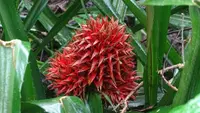
Ixtle, Aechmea magdalenae, is a terrestrial bromeliad known for its stiff, spiny-edged leaves that form dense rosettes and produce strong leaf fibers. In its native range from southern Mexico to Central America, it often grows on forest floors and open, humid sites. The plant develops tall flower stalks with showy bracts, followed by clusters of small fruits, giving it both structural and seasonal interest. Its tough leaves, slow growth, and drought tolerance make it relatively forgiving once established. To care for ixtle, provide bright filtered light, a free-draining but moisture-retentive mix, and protection from prolonged cold.

Main Plant Requirements

Care Difficulty

Moderate Care

Light Preference

Partial Shade

Water Requirements

Regular Water

Temperature Preference

Tropical / Frost Sensitive

Hardiness Zone

10–12

Soil Texture

Sandy, Loamy, Organic-rich

Soil pH

Acidic (5.5–6.5), Slightly acidic (6.5–7.0)

Soil Drainage

Moist but well-drained

Fertilization

Minimal (feed rarely)

Get Personalized Care Plan

Scan your plant to receive care tips personalized for your specific plant

Available on iOS and Android

How to Care for the ixtle

This terrestrial bromeliad prefers bright, filtered light similar to light woodland edges.

  • Provide 4–6 hours of gentle morning sun with dappled or filtered light the rest of the day for best growth.
  • Tolerates partial shade (bright shade or high, thin canopy), but very deep shade leads to weak, floppy leaves and slower fiber production in ixtle.
  • Avoid harsh midday to late-afternoon sun in hot climates, which can scorch leaves; increase shade or distance from reflective walls in summer.

This species prefers consistently moist but not waterlogged soil in its native lowland habitats.

  • Water when the top 3–5 cm of soil feel barely damp, aiming for evenly moist soil around the root zone rather than a full dry-out.
  • Use well-draining soil and avoid standing water; yellowing, soft leaves and a sour smell indicate overwatering, while rolled or brittle leaves suggest underwatering.
  • In cooler months, reduce watering volume and frequency slightly so the soil surface dries a bit more slowly while the lower layer stays lightly moist for Aechmea magdalenae.

This plant thrives in warm, frost-free conditions typical of lowland tropical forests.

  • Ideal growing temperatures are 70–85°F (21–29°C), which support steady leaf and rosette development.
  • Short exposures down to about 50°F (10°C) are tolerated, but growth slows; below 45°F (7°C) tissue damage and rot risk increase, and frost can kill the plant.
  • Handles brief heat up to 95°F (35°C) if soil stays moist and light is filtered; in hot spells, protect from hot winds and reflective surfaces that raise leaf temperatures.

This terrestrial bromeliad prefers moderately humid air but tolerates short dry spells if soil moisture is stable.

  • Aim for 50–70% humidity, especially in warm conditions, to support firm, healthy foliage.
  • Dry air stress shows as browning leaf tips and edges, plus slightly curling or stiff leaves on ixtle.
  • Increase humidity with nearby water trays, grouped plants, or a room humidifier rather than frequent misting.

This species grows best in loose, well‑drained, organic‑rich soil that stays evenly moist but not waterlogged.

  • Use a mix of roughly 50% peat or coco coir, 25% compost, and 25% coarse material such as bark chips or perlite for Aechmea magdalenae.
  • Ensure fast drainage; water should exit the pot or bed within seconds, leaving the mix moist but never soupy.
  • Keep pH slightly acidic to neutral, around 6.0–7.0, which supports nutrient uptake and root health.
  • Avoid heavy clay, compacted ground, or pure sand, and add coarse amendments to improve aeration wherever water lingers.

This species can grow in containers if the pot is stable, deep, and drains quickly.

  • Choose a low, wide, heavy container that resists tipping as the rosette enlarges and offsets form.
  • Select a pot deep enough to hold a 20–30 cm root zone so the plant anchors firmly and resists wind.
  • Avoid moisture‑retentive plastic in very wet climates; use unglazed clay to let excess moisture evaporate from the mix.

Aechmea magdalenae benefits from light, balanced feeding but tolerates low-nutrient conditions, which suits traditional ixtle cultivation.

  • Use a balanced, water-soluble fertilizer (around 10-10-10 or 20-20-20) diluted to 1/4–1/2 strength.
  • Feed every 4–6 weeks during spring and summer when growth is active.
  • Apply a thin layer of well-rotted compost on outdoor plants once per year for slow nutrient release.
  • Stop or reduce feeding to 1 light application for the whole period in fall and winter.

Pruning Aechmea magdalenae is minimal and focuses on hygiene rather than shaping.

  • Best time for pruning is after flowering or in late spring, when growth resumes.
  • Remove dead, damaged, or diseased leaves at the base using clean, sharp pruners.
  • Cut spent flower stalks back to the rosette once they fade to redirect energy to offsets.
  • Thin overcrowded rosettes by removing weaker ones, which improves air flow and light penetration.

Transplanting Aechmea magdalenae is infrequent and mainly done to give offsets more space or move plants from nursery containers.

  • Look for roots circling the pot, poor drainage, or noticeably slowed growth as signs it needs a larger space.
  • Plan transplanting for late spring or early summer, when temperatures are stable and growth is active.
  • Expect to transplant mature plants every 3–5 years, focusing on dividing and spacing clumps rather than upsizing pots.
  • Minimize root stress by watering well before moving, handling the root ball gently, and keeping the plant shaded and evenly moist for 1–2 weeks afterward.

New Aechmea magdalenae plants are most reliably produced by division of offsets rather than by seed.

  • Divide offsets in late spring or early summer once they reach about 1/3–1/2 the size of the mother plant.
  • Use a clean, sharp knife to separate pups with some roots attached, then plant in a free-draining mix.
  • Keep newly divided plants warm (70–80°F), in bright indirect light, and slightly moist until established.
  • Seed propagation is possible but slow; sow fresh seed on the surface of sterile mix and maintain consistent warmth and humidity.

Aechmea magdalenae is frost-sensitive and needs protection wherever winter temperatures drop near or below freezing.

  • In USDA zones colder than 10–11, grow in containers and move indoors before temperatures fall below 40°F.
  • Outdoors in mild climates, apply a 5–8 cm mulch layer around the base to insulate roots, keeping it off the central rosettes.
  • Indoors, keep temperatures around 60–75°F with bright light and reduced but consistent watering.
  • Avoid overhead watering on cold days to reduce leaf damage and rot risk.

Care Tips

Manage leaf spines

Install a low barrier or plant this species at the back of a bed so the long spiny leaves do not catch clothing or skin, and use thick gloves and long sleeves whenever trimming or moving the plant.

Harvest fiber safely

If using the plant for fiber, cut only mature outer leaves near the base with a sharp knife, leaving the central rosette intact to maintain vigor and allow sustainable future harvests when growing ixtle.

Control clump spread

Periodically remove or transplant outer offsets with a sharp spade before the clump becomes too dense, which improves air flow through the rosette and reduces fungal problems.

Support heavy rosettes

In windy or exposed sites, mound coarse, well-drained material such as gravelly soil around the base and, if needed, use discreet stakes to keep heavy rosettes from tipping or uprooting.

Plan for post-bloom

After a rosette finishes flowering, mark it and leave it in place until nearby pups are well established, then remove the spent rosette at the base to open space and reduce decay-related pest issues.

Common Pests and Diseases

Scale insects

This pest feeds on leaf bases and leaf sheaths, drawing sap and weakening the rosette. Symptoms include sticky honeydew, sooty mold growth, and small brown or tan bumps along the stiff leaves and at the base of the plant.

Solution

Isolate the plant, then physically remove scales with a cotton swab dipped in isopropyl alcohol and rinse the foliage with a gentle shower. For heavy infestations, apply a horticultural oil or insecticidal soap directed into leaf axils and repeating every 7–10 days while improving air movement and avoiding overfertilization that encourages soft, susceptible growth.

Mealybugs

These insects hide in the tight leaf bases and around the central tank, where they suck sap and excrete sticky honeydew. Symptoms include white cottony clusters, leaf yellowing, and distorted new growth.

Solution

Flush the leaf axils and tank with a strong but non-damaging stream of water, then dab remaining colonies with isopropyl alcohol on a cotton swab. Follow with repeated treatments of insecticidal soap or neem oil, making sure the spray reaches into the rosette, and keep nearby plants monitored to prevent re‑infestation as part of consistent Aechmea magdalenae plant care.

Tank mosquitoes

These insects use the water-holding rosette as a breeding site, especially when the tank water is stagnant and rich in organic debris. Symptoms include visible mosquito larvae in the central cup and nearby mosquito presence indoors or in greenhouses.

Solution

Empty and refresh the tank water at least weekly, flushing out larvae and removing decomposing material from the cup. In outdoor or greenhouse settings, use fine mesh screens, improve water circulation, and, where legally permitted, use a biological larvicide containing Bacillus thuringiensis israelensis (Bti) in larger water features nearby rather than in the plant itself.

Leaf spot

This disease appears as small water-soaked lesions on the rigid leaves that may enlarge, turn tan to brown, and develop purple or dark margins. Symptoms include scattered spots that can coalesce, giving the foliage a scorched or patchy appearance, especially in humid, poorly ventilated conditions.

Solution

Remove and discard the most affected leaves, avoid wetting foliage late in the day, and ensure good spacing and airflow around plants. If new spots continue to develop, apply a registered copper-based or broad-spectrum fungicide labeled for bromeliads, following label directions carefully and reducing overhead watering to keep leaf surfaces drier.

Interesting Facts

Source of ixtle fiber

This species is traditionally cultivated in parts of Mexico and Central America as a major source of ixtle, a strong leaf fiber used for making ropes, brushes, and coarse textiles.

Stinging leaf margins

The long leaves have sharp, recurved spines along the margins that can tear skin and clothing, an adaptation thought to protect the plant from large herbivores and aid in climbing over surrounding vegetation.

Tank-forming habit

Its rosette of rigid leaves forms a central water-holding tank that collects rain, detritus, and small aquatic organisms, creating a tiny reservoir that supports diverse invertebrates and provides nutrients to the plant.

Botan icon

Did you know?

In its native range, this species is sometimes grown in traditional agroforestry systems, where farmers cultivate it under the shade of trees to harvest durable fiber while maintaining a structurally complex, partially forested landscape that supports wildlife.

FAQs about ixtle

This bromeliad usually flowers only when mature, which can take several years. Lack of bloom is often due to insufficient light, nutrient-poor conditions, or a stressed root system. Stable warmth and patience are essential for Aechmea magdalenae care.

Grow Healthy Plants with Botan Care

Keep your plants happy and healthy with plant identification, disease detection, and easy care guidance.

Botan plant care app — identify plants on mobile

Explore More Plants