Wind‑firm training
In the first 1–2 seasons, pinch back soft tips by 2–3 in after each flush of growth to encourage a denser, wind‑resistant framework that is less likely to split or lean in storms.

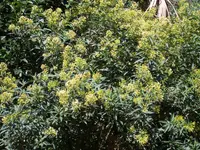
Chilean jessamine (Cestrum parqui) is a fast-growing, semi-evergreen shrub known for its clusters of small, tubular yellow-green flowers with a strong evening fragrance. It typically forms a loose, upright to arching shape with narrow, lance-shaped leaves that can give a slightly informal, bushy appearance.
This species is native to Chile and parts of South America and is often grown in mild climates as an ornamental screening shrub. It prefers sunny to lightly shaded positions, moderately moist but well-drained soil, and benefits from regular pruning to control size. With proper site choice and simple routine care for Chilean jessamine, it can be an easy, vigorous garden plant where winter temperatures are suitable.

Care Difficulty
Moderate Care

Light Preference
Full Sun

Water Requirements
Moderate Water

Temperature Preference
Warm Climate

Hardiness Zone
8–11

Soil Texture
Sandy, Loamy, Organic-rich

Soil pH
Acidic (5.5–6.5), Slightly acidic (6.5–7.0)

Soil Drainage
Well-drained

Fertilization
Light (every 4–6 weeks)
Scan your plant to receive care tips personalized for your specific plant
Available on iOS and Android
This sun-loving shrub flowers best with strong light and some protection from extreme afternoon heat.
This shrub prefers evenly moist, well-drained soil that never stays soggy for long periods.
This plant grows best in mild, frost-free climates with warm summers and cool, not cold, winters.
This species handles a wide humidity range and usually does not need special humidity management outdoors.
Cestrum parqui prefers freely draining, moderately fertile soil that does not stay waterlogged.
This species is suitable for container growing where space, soil, or climate are limiting.
This fast-growing shrub benefits from steady nutrients for strong flowering and foliage.
Pruning Cestrum parqui maintains size, encourages bushy growth, and supports better flowering.
Cestrum parqui is most often grown in the ground, but container plants and young shrubs benefit from thoughtful transplanting.
Cestrum parqui is commonly propagated from semi-ripe cuttings and sometimes from seed.
Cestrum parqui tolerates only light frost and needs protection in colder regions.

Plant Health Check
Not sure what's wrong with your plant? Check your plant's health inside the app.
The flowers release most of their scent after dusk, producing a penetrating, sweet aroma that can be detected many meters away on still nights.
All parts of the plant are poisonous to humans and livestock, but its bitter taste and strong smell usually discourage animals from eating enough to cause acute poisoning.
In parts of Australia, New Zealand, and Mediterranean-climate regions, this species has escaped cultivation and forms dense thickets that displace native vegetation and alter light and nutrient conditions.

In Chile and parts of South America, this shrub has long been associated with funerary and somber symbolism, and its common Spanish name "hediondilla" (roughly "little stinker") reflects both its cultural reputation and the sharp odor of its leaves when crushed.
Poor flowering usually comes from insufficient light, heavy pruning at the wrong time, or low nutrients. Avoid hard pruning in late spring, remove old, spent stems after flowering, and apply a balanced, slow-release fertilizer in early spring.
Keep your plants happy and healthy with plant identification, disease detection, and easy care guidance.