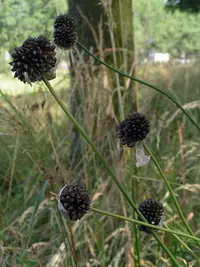
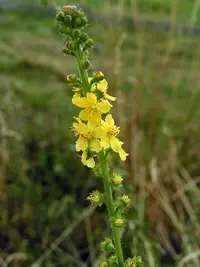
crested anoda Care (Anoda cristata)

Also known as: violettas, Spurred Anoda
crested anoda

About crested anoda

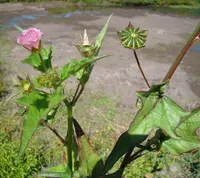
Crested anoda, Anoda cristata, is a fast-growing annual herb in the mallow family. It is often seen as a wildflower or agricultural weed. Plants usually form upright, branching stems with soft, slightly hairy leaves and showy, shallowly cup-shaped flowers in shades of purple, pink, or white. Seed pods are rounded and segmented, giving the plant its crested look.

This species is native to Mexico and Central America but has spread widely in warm and temperate regions, including parts of the United States. It adapts easily to disturbed soils and open, sunny sites, which explains both its resilience and its weedy reputation.

In gardens, it tends to grow readily where soil is well-drained and there is moderate moisture. Once its basic needs are understood, it is straightforward to care for crested anoda.

Main Plant Requirements

Care Difficulty

Moderate Care

Light Preference

Full Sun

Water Requirements

Moderate Water

Temperature Preference

Warm Climate

Hardiness Zone

8–11

Soil Texture

Sandy, Loamy, Silty

Soil pH

Slightly acidic (6.5–7.0), Neutral (7.0)

Soil Drainage

Well-drained

Fertilization

Minimal (feed rarely)

Get Personalized Care Plan

Scan your plant to receive care tips personalized for your specific plant

Available on iOS and Android

How to Care for the crested anoda

This sun-loving annual thrives in bright outdoor conditions with some protection from harsh extremes.

  • Provide 6–8 hours of direct sun daily, ideally with morning sun and light afternoon shade in hot summer climates, to support strong flowering of crested anoda.
  • Allow for light or open shade during the hottest part of the day in regions above 85°F (29°C) to prevent leaf scorch and wilting.
  • In short-season areas, choose the sunniest, south-facing or west-facing spot to compensate for lower seasonal light and ensure full growth before frost.

This fast-growing annual prefers steadily moist but not saturated soil during its main growth period.

  • Water when the top 3–5 cm of soil feels dry, aiming for moist soil to 10–15 cm depth, especially while Anoda cristata is establishing and flowering.
  • Use well-drained soil or a raised bed so excess water can move away quickly, reducing the risk of root rot and foul, sulfur-like smells from anaerobic soil.
  • In hot, dry weather, expect more frequent watering and watch for early wilting or dull, limp leaves as signs to water, while yellowing, soft stems suggest overwatering.

This warm-season annual performs best in stable, frost-free conditions.

  • Target 70–85°F (21–29°C) for strongest growth and flowering, with seedlings kept above 65°F (18°C) to avoid stunting.
  • Protect from cold; growth slows below about 60°F (16°C), and light frost near 32°F (0°C) can kill plants outright.
  • In hotter regions, plants tolerate short periods to about 95°F (35°C) if soil moisture is maintained and some afternoon shade limits heat stress and leaf scorch.

This species adapts well to outdoor humidity and usually does not need special humidity management.

  • Target 40–60% humidity, which is typical for many temperate outdoor conditions.
  • Dry air is tolerated, but extended hot, very dry wind can cause leaf edges to crisp and flower buds to drop.
  • Increase local humidity during heatwaves by mulching the soil and watering early in the day to reduce evaporative stress on crested anoda.

Anoda cristata grows best in loose, well-drained mineral soils that do not stay waterlogged.

  • Use a loamy or sandy mix with moderate organic matter, such as garden soil blended with 20–30% compost and 10–20% coarse sand or fine grit.
  • Ensure fast drainage so water runs through within seconds; avoid heavy clay that holds standing water and causes root rot.
  • Aim for slightly acidic to neutral pH, around 6.0–7.0, which supports nutrient availability and healthy root function.
  • Improve aeration and structure in compact ground by incorporating coarse sand or fine gravel throughout the top 15–20 cm before planting.

This annual is suitable for container growing when given enough root space and sharp drainage.

  • Choose a container at least 25–30 cm deep so the taproot can develop without curling tightly at the base.
  • Use a relatively heavy pot or add stones to the bottom layer to prevent tall flowering stems from tipping the container in wind.
  • Water thoroughly until excess drains, then allow the top 3–4 cm of mix to dry so the root zone does not stay constantly saturated for crested anoda.

Anoda cristata grows in modest soils but responds well to light feeding in long growing seasons.

  • Use a balanced liquid or water‑soluble fertilizer (e.g., 10‑10‑10) at 1/2 strength every 4–6 weeks during active growth.
  • In lean soils, work in a thin layer of well‑rotted compost around the root zone in spring.
  • Avoid feeding during late fall and winter when growth slows or plants die back.
  • Water before and after applying any fertilizer to reduce root burn and improve nutrient uptake.

Pruning Anoda cristata is mainly used to maintain shape and encourage flowering rather than for strict size control.

  • Pinch or lightly trim shoot tips in late spring to promote bushier growth and more flowering stems.
  • Remove dead, damaged, or crossing stems throughout the season using clean, sharp scissors or hand pruners.
  • After peak bloom, shear back spent stems to tidy the plant and encourage a lighter rebloom.
  • Avoid heavy cutting into woody bases; focus on soft, current‑season growth for best recovery.

This fast‑growing annual or short‑lived perennial is more often transplanted in beds than kept long term in containers.

  • Transplant seedlings outdoors after frost danger has passed, once they have 2–3 true leaves and sturdy stems.
  • Move plants if roots fill starter cells or small pots, showing circling roots or slowed growth.
  • Choose a well‑drained site in full sun and plant at the same depth, watering thoroughly to settle soil around roots.
  • Reduce transplant shock by hardening off seedlings for 7–10 days and shading lightly for the first 2–3 days after planting.

Anoda cristata is most commonly propagated from seed, which allows rapid establishment of new plants.

  • Sow seeds in early spring under cover or directly outdoors after the last frost date.
  • Provide loose, well‑drained soil and keep it evenly moist at 65–75°F for reliable germination.
  • Cover seeds very lightly, as they need some light exposure; seedlings usually appear within 7–21 days.
  • Thin or transplant seedlings to final spacing once they develop several true leaves and handle disturbance well.

This species behaves as a warm‑season annual in most climates and generally needs minimal winter care.

  • Expect above‑ground growth to die back with the first hard frosts in temperate regions.
  • In mild, frost‑free zones, a light mulch can support short‑lived perennial clumps through cooler months.
  • Container plants in colder areas should be treated as seasonal displays and replaced from seed each year.
  • Collect mature seed pods before hard freezes if planning on growing crested anoda again next season.

Care Tips

Staggered Succession Sowing

Sow small batches 2–3 weeks apart in spring to keep plants at different ages, which maintains a longer flowering window and reduces the impact if one sowing is damaged by pests or weather.

Pinch For Bushiness

When seedlings reach 10–15 cm, pinch out the soft growing tip above a leaf node to encourage branching and produce sturdier, fuller plants with more flowering stems.

Lightweight Stem Support

In windy sites, run a simple string or soft twine grid between low stakes around the planting area so stems lean on it rather than snapping, avoiding the need for individual staking.

Targeted Self-Seeding Control

If self-seeding is not desired, remove spent flowers before seedpods mature, but leave a few marked plants to ripen seed fully if future seedlings are wanted in a controlled area.

Spot-Check For Chewing Pests

Inspect the undersides of leaves and tender shoot tips every few days in early summer, hand-picking caterpillars or beetles before they build up, which is often enough when caring for crested anoda in small plantings.

Common Pests and Diseases

Cotton bollworm

This pest is a caterpillar that chews holes in leaves, buds, and developing seed pods, sometimes boring inside the pods and feeding on seeds. Symptoms include ragged foliage, frass (caterpillar droppings), and damaged or prematurely opened pods.

Solution

Hand-pick and destroy caterpillars where feasible and remove heavily damaged pods to reduce the local population. Encourage natural predators by avoiding broad-spectrum insecticides, and if damage is high, use a targeted Bacillus thuringiensis (Bt) product applied in the evening, coating young leaves and pods according to label directions.

Leafhoppers

These insects suck plant sap and can cause pale stippling, curling, and distortion on young leaves, with small, fast-moving adults that jump when disturbed. Symptoms include reduced vigor and, in heavy infestations, a general yellowed, stressed appearance of the plant.

Solution

Reduce dust and weeds around plantings and use a strong stream of water to dislodge nymphs from foliage. For persistent problems, apply an insecticidal soap or a light horticultural oil in the early morning, ensuring full coverage of leaf undersides while avoiding application during high heat.

Rust

This disease causes small, orange-brown pustules on the undersides of leaves, often with yellow spots on the upper surface and early leaf drop under severe pressure. Symptoms include a patchy, rust-colored powder that rubs off on fingers or gloves.

Solution

Promptly remove and discard infected leaves and plant debris to lower spore levels, and avoid overhead watering to keep foliage dry. Improve spacing and airflow around plants, and if disease advances, apply a labeled sulfur or copper-based fungicide at the first sign of new pustules, repeating as directed.

Cercospora leaf spot

This disease produces circular to irregular tan or gray spots with darker margins on leaves, which can merge into larger blotches and lead to premature leaf drop. Symptoms include thinning foliage and a generally stressed, less vigorous plant when many leaves are affected.

Solution

Collect and destroy fallen leaves, avoid wetting foliage, and water at the soil level to limit spread. Where leaf spot recurs, improve spacing and sun exposure, then use a preventative fungicide labeled for Cercospora on malvaceous plants, applying at the first appearance of new lesions.

Aphids

These insects cluster on tender stems, leaf undersides, and flower buds, sucking sap and excreting sticky honeydew that can lead to sooty mold. Symptoms include distorted new growth, sticky leaves, and the presence of ants tending the colonies.

Solution

Spray plants with a firm stream of water to knock aphids off growing tips and remove heavily infested shoots when practical. For ongoing infestations, apply insecticidal soap or neem oil thoroughly to all plant surfaces, repeating at short intervals until colonies decline, and reduce nearby weed hosts that can harbor aphids and complicate Anoda cristata care.

Interesting Facts

Malvaceae family traits

This species belongs to the mallow family Malvaceae and shows its typical traits, including funnel-shaped flowers with 5 petals and mucilaginous tissues that make its crushed foliage feel slightly slippery.

Short-lived annual life cycle

Anoda cristata is a true annual that germinates, flowers, sets seed, and dies within a single growing season, which allows it to colonize disturbed soils rapidly in agricultural and roadside habitats.

Efficient seed production

The plant forms a distinctive disk-like fruit composed of multiple segments, each containing a seed that can contribute to persistent soil seed banks in cropped fields and disturbed ground.

Botan icon

Did you know?

In some regions of Mexico, young leaves and shoots of Anoda cristata are traditionally used as a leafy vegetable known as verdolaga de Castilla, showing how a species considered an agricultural weed in one context can be integrated into local food practices in another.

FAQs about crested anoda

Lack of flowering usually comes from too much shade, excess nitrogen fertilizer, or drought stress. Ensure full sun, moderate nutrients, and consistent moisture. Deadhead faded blooms so the plant directs energy into producing new flowers instead of seeds.

Grow Healthy Plants with Botan Care

Keep your plants happy and healthy with plant identification, disease detection, and easy care guidance.

Botan plant care app — identify plants on mobile

Explore More Plants