Canary Cheesewood Care (Nauclea orientalis)

Also known as: Leichhardt tree
Canary Cheesewood

About Canary Cheesewood

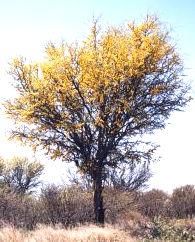
Canary cheesewood (Nauclea orientalis) is a fast-growing tropical tree, known for its rounded crown, glossy green leaves, and distinctive ball-shaped yellow flower heads. In nature it often grows along rivers, floodplains, and swampy areas across Southeast Asia, northern Australia, and nearby regions.

The tree can become large and is best suited to spacious gardens or managed landscapes rather than small containers. Its rapid growth and tolerance of seasonal flooding make it robust in warm, humid climates.

It prefers consistently moist soil, good drainage, and high light, which helps guide how to care for Canary Cheesewood in cultivation.


Main Plant Requirements

Care Difficulty

Moderate Care

Light Preference

Full Sun

Water Requirements

Aquatic

Temperature Preference

Tropical / Frost Sensitive

Hardiness Zone

10–12

Soil Texture

Sandy, Loamy, Silty

Soil pH

Acidic (5.5–6.5), Slightly acidic (6.5–7.0)

Soil Drainage

Waterlogged tolerant

Fertilization

Minimal (feed rarely)

Get Personalized Care Plan

Scan your plant to receive care tips personalized for your specific plant

Available on iOS and Android

How to Care for the Canary Cheesewood

This fast-growing tropical tree prefers strong light but benefits from some daily shade.

  • Provide 6–8 hours of sun daily, with morning sun and light afternoon shade ideal, especially for young Canary Cheesewood plants.
  • In hot climates, protect from harsh afternoon sun with dappled or filtered light to reduce leaf scorch and moisture loss.
  • In cooler seasons, allow more direct sun by thinning overhead shade, but avoid deep shade, which leads to sparse growth and elongated shoots.

This species is adapted to moist habitats and prefers consistently damp, not stagnant, soil.

  • Maintain evenly moist soil, allowing only the top 2–3 cm to lose surface gloss before thorough watering, especially in the first 2–3 years.
  • In warm, dry periods, increase watering frequency and monitor for drooping leaves or curling edges as signs of moisture stress in Nauclea orientalis.
  • Ensure deep, well-drained soil so excess water can move away; yellowing leaves and soft new growth often indicate chronic overwatering and low oxygen at the roots.

This tropical tree grows best in warm, frost-free conditions year-round.

  • Aim for an optimal range of 70–86°F (21–30°C) during the growing season to support rapid shoot and root development.
  • Protect from temperatures below 40°F (4°C); light frost can damage foliage, while repeated or hard frosts may kill young trees.
  • Mature trees tolerate short heat waves up to about 100°F (38°C) if soil moisture remains high, but extended hot, dry winds can scorch leaves and slow growth.

This species prefers moderately humid air but tolerates short dry spells if soil moisture is stable.

  • Aim for 50–70% humidity to support steady leaf and shoot growth in Canary Cheesewood.
  • Crisping leaf edges and slow new growth indicate humidity stress, especially in heated or air-conditioned spaces.
  • Increase humidity by grouping plants, using a nearby tray of water and stones, or running a small humidifier close to the foliage.

Nauclea orientalis prefers consistently moist, deep, and fertile soil that still allows air to reach the roots.

  • Use a loamy mix with high organic matter, such as garden loam blended with compost and leaf mold, for sustained moisture retention.
  • Ensure slow but reliable drainage by adding 10–20% coarse sand or fine grit so water does not stagnate around the root zone.
  • Target a slightly acidic to neutral pH of about 6.0–7.0, avoiding strongly alkaline sites that may reduce nutrient availability.
  • Avoid compacted, heavy clay or shallow, stony soils; improve structure by incorporating organic material to increase aeration and root penetration depth.

This tree can be grown in containers when young or kept dwarf, but it needs careful attention to stability and root space.

  • Choose a wide, heavy container that resists tipping as the canopy becomes denser and more wind-sensitive.
  • Select a pot deep enough to accommodate a developing taproot, preventing circling roots that restrict later growth.
  • Use a thick-walled, non-porous pot material to reduce rapid moisture loss and keep the root zone more evenly moist.

This fast-growing tropical tree benefits from modest feeding in managed landscapes, though mature specimens of Canary Cheesewood often cope in fertile soil without it.

  • Use a balanced slow-release fertilizer (for example 10-10-10) or well-rotted compost in spring at the start of active growth.
  • Apply granular slow-release around the drip line every 6–8 weeks during the warm growing season if soil is poor.
  • Reduce or stop feeding in cooler months when growth slows, especially in subtropical or marginal climates.
  • For young container-grown plants, use liquid balanced NPK at 1/2 strength every 4–6 weeks in the growing season.

Nauclea orientalis responds well to light structural pruning that maintains a strong framework and safe clearance.

  • Carry out main pruning in late winter or early spring before vigorous new growth begins.
  • Remove dead, diseased, crossing, or storm-damaged branches with clean, sharp loppers or a pruning saw.
  • Thin crowded interior branches to improve airflow and light penetration, encouraging a healthier crown.
  • Shorten or remove poorly placed limbs to guide overall shape and maintain clear trunks above paths or structures.

This species is usually grown as a landscape tree, so care focuses on transplanting young plants rather than long-term container culture.

  • Transplant in late spring or early summer once soil is warm and frost risk has passed.
  • Look for circling roots, roots emerging from drainage holes, or stunted growth as signs a nursery plant has outgrown its pot.
  • Move up only 1–2 pot sizes or into a well-prepared ground site with deep, moist, freely draining soil.
  • Reduce stress by watering thoroughly before and after planting, keeping the root ball intact, and mulching the root zone 5–8 cm deep.

Nauclea orientalis is typically propagated from seed, with vegetative methods used less often in home settings.

  • Collect ripe seeds from mature fruits at the end of the warm season and clean them of pulp.
  • Sow on the surface of a moist, free-draining seed mix, as very fine seeds need light for good germination.
  • Maintain warmth around 70–80°F and high humidity with gentle airflow to limit damping-off disease.
  • For semi-hardwood cuttings, use rooting hormone, a sterile medium, and bright shade to encourage root formation.

This tropical tree is frost sensitive and only suited to frost-free or very mild winter climates outdoors.

  • In marginal zones, mulch the root area 5–8 cm deep to buffer short cool spells and soil temperature swings.
  • Move container-grown plants indoors or into a heated greenhouse before temperatures fall below 45–50°F.
  • Keep winter waterings light but regular so the root ball does not dry out completely in warm indoor air.

Care Tips

Flood-resilience training

On suitable sites that experience brief, shallow flooding, allow young trees to experience short controlled inundation instead of building raised mounds, which encourages deeper rooting and improves long-term flood resilience when growing Canary Cheesewood in wet areas.

Formative crown shaping

In the first 3–5 years, remove or shorten steep, competing leaders and keep 1 strong central stem, which produces a safer, better-balanced crown for future shade and reduces the risk of storm damage.

Root-zone protection

Keep turf and heavy foot traffic at least 1.5–2 m away from the trunk and mulch out to the dripline, which protects surface feeder roots from compaction and mechanical damage and supports faster diameter growth.

Windward staking method

In windy sites, install 2–3 low stakes with flexible ties on the windward side only and remove them after 12–18 months, so the trunk can sway slightly and develop strong taper instead of remaining weak and dependent on support.

Wildlife and litter management

Site the tree away from car parks, rooflines, and narrow paths because large fruit and associated wildlife activity can create slip hazards and mess; in existing plantings, schedule regular fruit cleanup during peak drop periods to keep the area safe and usable.

Common Pests and Diseases

Leaf miner larvae

This pest tunnels inside young leaves, creating pale winding trails and distorted foliage on shoots of Canary cheesewood growing in wet habitats.

Solution

Prune and destroy leaves that show fresh mines before larvae mature, and encourage natural predators by avoiding broad-spectrum insecticides; in small-scale Nauclea orientalis care, systemic insecticides containing imidacloprid or spinosad can be used according to label directions if damage is persistent and severe.

Scale insects

These insects attach to twigs and leaf undersides, appearing as small brown or gray bumps, and can cause leaf yellowing, sticky honeydew, and sooty mold on branches.

Solution

Wipe or gently scrub affected stems and leaves with a soft cloth or brush dipped in dilute soapy water, then improve light and airflow; for heavier infestations, apply a horticultural oil or insecticidal soap thoroughly to all plant surfaces, repeating after 7–14 days as needed.

Leaf spot

This disease produces small brown to dark lesions on the leaves, sometimes with yellow halos, which may coalesce and cause premature leaf drop in humid conditions.

Solution

Remove and dispose of affected leaves, avoid overhead watering, and thin surrounding vegetation to improve airflow; in consistently wet climates, a copper-based fungicide or chlorothalonil applied during periods of frequent rain can help protect new foliage.

Powdery mildew

This disease shows as white to gray powdery patches on young leaves and shoots, leading to distortion, reduced growth, and in severe cases early leaf drop in shaded, humid sites.

Solution

Increase sun exposure and airflow where possible, avoid excess nitrogen fertilization that promotes very soft growth, and treat affected foliage with a sulfur-based fungicide or potassium bicarbonate spray, repeating according to product directions until new growth emerges clean.

Interesting Facts

Spherical brush flowers

This species produces dense, spherical flower heads that look like yellow-orange brushes, each composed of many small tubular flowers that are highly attractive to bees and other pollinators.

Floodplain habitat specialist

It naturally grows along tropical rivers, floodplains, and swamp margins, tolerating seasonal inundation and helping stabilize riverbanks with its extensive root system.

Traditional canoe timber

The wood is relatively light yet strong, so Indigenous communities in northern Australia and parts of Southeast Asia have traditionally used its trunks for dugout canoes and general-purpose timber.

Botan icon

Did you know?

In suitable tropical conditions this tree can grow extremely fast, reaching around 20–30 m tall with a broad crown, which makes it a favored pioneer species for restoring degraded riparian and swamp forests.

FAQs about Canary Cheesewood

Growth is typically fast in warm, moist climates. Young trees can add 60–150 cm per year under ideal conditions, slowing as they mature. Poor soil, drought, or cool temperatures noticeably reduce vigor and annual height gain.

Grow Healthy Plants with Botan Care

Keep your plants happy and healthy with plant identification, disease detection, and easy care guidance.

Botan plant care app — identify plants on mobile

Explore More Plants