Mes-2 Care (Morchella diminutiva)

Mes-2

About Mes-2

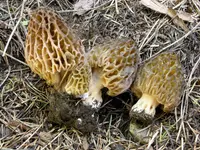
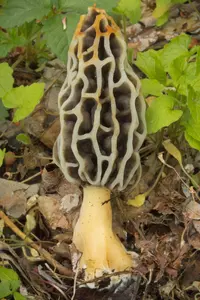
Morchella diminutiva, often linked to the Mes-2 label in cultivation contexts, is a small morel-like fungus rather than a leafy plant. It produces hollow, honeycombed fruiting bodies that emerge from the soil in spring, usually in hardwood forests.

This species typically appears in eastern North America, often near deciduous trees and in leaf litter. It is considered challenging to cultivate reliably, so most interest focuses on foraging rather than controlled production.

In nature it favors moist, well-drained, organically rich soils with dappled light. Those exploring how to care for Mes-2 should understand that morels depend strongly on specific soil microbes and seasonal conditions.

Main Plant Requirements

Care Difficulty

Hard Care

Light Preference

Partial Shade

Water Requirements

Keep Soil Moist

Temperature Preference

Cool Climate

Hardiness Zone

5–8

Soil Texture

Loamy, Silty, Organic-rich

Soil pH

Slightly acidic (6.5–7.0)

Soil Drainage

Moist but well-drained

Fertilization

Minimal (feed rarely)

Get Personalized Care Plan

Scan your plant to receive care tips personalized for your specific plant

Available on iOS and Android

How to Care for the Mes-2

Morchella diminutiva thrives in dappled woodland-style light that mimics its natural forest habitat.

  • Provide 2–4 hours of gentle morning sun with bright, filtered light for the rest of the day under leaf litter, shrubs, or light tree cover.
  • Allow partial shade or high, shifting shade; strong afternoon sun can dry the substrate and reduce fruiting of Mes-2.
  • In early spring, more direct light is tolerated, but as tree canopies fill in, rely on broken shade to prevent overheating and moisture loss.

This species depends on consistently moist, well-drained soil that never stays waterlogged.

  • Keep the top 2–3 cm of soil or leaf litter slightly moist; allow only the surface to start drying before rewetting the rooting zone or substrate.
  • Use a loose, high-organic mix that drains freely; pooling water or a sour, swampy smell indicates overwatering and anaerobic conditions.
  • During cool, wet spring, watering needs decrease, but in warm, windy weather watch for shrinking, brittle fruiting bodies or dry substrate as signs of underwatering.

This morel species prefers cool to mild spring temperatures and declines in sustained heat or hard frost.

  • Aim for optimal fruiting temperatures of 50–65°F (10–18°C), with slow vegetative growth possible up to about 70°F (21°C).
  • Protect from hard frost below 25°F (-4°C), which can damage developing fruiting bodies and delay the season.
  • In sudden heat above 75–80°F (24–27°C), shading and extra moisture help limit stress, shorten exposure, and preserve the flush period.

Morchella diminutiva fruiting outdoors relies more on soil moisture than air humidity, so ambient humidity is only a minor factor.

Morchella diminutiva needs a loose, well-aerated, organically enriched soil layer that mimics a forest floor.

  • Use a sandy loam rich in leaf litter or composted hardwood material to provide both structure and nutrients.
  • Ensure rapid drainage by avoiding dense clay; amend heavy soils with coarse sand and fine gravel to prevent waterlogging.
  • Aim for slightly acidic to neutral conditions, around pH 6.0–7.0, which supports healthy mycelium development.
  • Maintain a rough, crumbly surface layer rather than compacted soil to improve aeration and allow the fungus to colonize evenly.

This species is generally unsuitable for container growing because it depends on a broad, stable outdoor soil ecosystem for reliable fruiting.

Morchella diminutiva is not a typical container or garden plant and usually receives all needed nutrients from naturally rich, undisturbed soils, so extra fertilization is not recommended for healthy populations in suitable habitat.

Morchella diminutiva is a wild morel fungus with no true shoots or branches, so pruning is neither necessary nor useful for its development or fruiting.

Cultivated attempts with Morchella diminutiva focus on maintaining stable outdoor beds rather than frequent repotting, and any disturbance should be minimal to avoid damaging the underground mycelium network.

  • Avoid transplanting established beds unless essential, as disturbance of the soil and mycelium usually reduces or stops fruiting for several seasons.
  • If movement is unavoidable, do it in cool, moist weather, keeping a large, intact block of the colonized substrate around the mycelium.
  • Prepare the new site with similar soil texture, drainage, organic matter, and shade levels to match the original habitat as closely as possible.
  • Water gently after moving to settle soil contact around the mycelium, then keep evenly moist but never waterlogged while the bed re-establishes.

True propagation of Morchella diminutiva is technically complex and rarely done by home growers, as it depends on specialized spore germination and stable mycelium establishment in very specific soil conditions.

This morel species is naturally cold hardy in its native range and typically needs no special winter care when growing in the ground in suitable woodland conditions, including snow and normal seasonal freezing.

Care Tips

Host tree pairing

Establish morel beds near compatible hardwoods such as ash, tulip poplar, or apple, using a mix of well-rotted hardwood chips and native soil from that tree’s dripline to mimic the natural mycorrhizal partnership that supports Morchella diminutiva care.

Leaf litter management

Maintain a thin, continuous layer of clean, untreated hardwood leaf litter over the bed to protect the mycelium, then gently rake it aside in late winter so emerging fruiting bodies can push through without rotting.

Targeted ash application

After small, controlled burns of clean hardwood brush or use of a woodstove, lightly sprinkle cooled, sifted hardwood ash over the bed at no more than 0.5 cm depth to simulate post-fire conditions that can encourage fruiting.

Moisture buffering zone

Create a 10–20 cm wide gravel or coarse wood chip border around the bed edges to reduce waterlogging from surrounding soil and keep surface moisture fluctuations gentler on the shallow mycelium.

Spore slurry inoculation

After collecting mature morels, blend caps with non-chlorinated water and a small amount of molasses, then pour this spore slurry over prepared beds and adjacent tree-root zones to increase the chances of establishing new colonies over several seasons.

Common Pests and Diseases

False morels

This disease concern involves poisonous look‑alike fungi such as Gyromitra species fruiting in the same habitat as true morels. Symptoms include confusing cap shapes, different internal structure, and potential toxicity if harvested and eaten by mistake.

Solution

Carefully inspect each mushroom before harvest, slicing lengthwise to confirm a hollow stem and cap typical of true morels, and discard any specimens with chambered or cottony interiors or lobed, brain‑like caps. Avoid harvesting unknown or doubtful specimens and keep good field references on hand when trying to grow Morchella diminutiva outdoors or manage a wild patch.

Slugs and snails

These pests feed on developing morel fruiting bodies, leaving ragged holes, slime trails, and sometimes consuming entire small mushrooms overnight. Damage is often worst in moist, sheltered spots with thick leaf litter.

Solution

Reduce slug habitat by moderating thick mulch and removing decaying debris around the fruiting area, and hand‑pick slugs and snails at dusk or early morning. If needed, use iron phosphate slug bait placed around but not on the mushroom bed, following label directions to avoid contaminating the harvest.

Fungus gnats

These insects are attracted to moist, organic substrates and can lay eggs in the morel bed, with larvae feeding in the substrate and occasionally on young primordia. Symptoms include tiny flying adults around the bed and poor development or collapse of very young mushrooms.

Solution

Improve surface drainage and avoid waterlogged conditions, and use fine mesh or insect netting over small cultivation beds to reduce egg‑laying by adults. Yellow sticky traps placed near but not directly over the fruiting zone help monitor and reduce adult populations without contacting the mushrooms.

Green mold (Trichoderma)

This disease is caused by competitive Trichoderma fungi that can colonize the substrate, forming dense green patches that overrun morel mycelium. Symptoms include a shift from pale or whitish mycelium to bright or dull green areas and a decline or complete loss of fruiting.

Solution

Remove and discard obviously contaminated substrate and avoid moving tools or containers from infected to clean areas without washing. For ongoing Mes-2 indoor care or controlled culture, sterilize or pasteurize fresh substrates, keep humidity high but not stagnant, and provide good air exchange to limit aggressive mold growth.

Interesting Facts

Smallest North American morel

This species is regarded as the smallest true morel in North America, with fruiting bodies often only a few centimeters tall and much more delicate than better-known yellow or black morels.

Floodplain specialist

It typically fruits in low, moist hardwood floodplains and river terraces, especially in association with ash, tulip poplar, and other bottomland trees, rather than in recently burned or disturbed upland sites.

Distinctive cap pattern

The cap shows fine, vertically oriented ridges with relatively small pits, and the ridges often become pale or yellowish while the pits stay darker, a combination used by mycologists to separate it from other closely related yellow morels.

FAQs about Mes-2

This morel mushroom is considered choice and edible when fully cooked, but raw specimens may cause digestive upset. Accurate identification is critical, as some false morels are toxic. When unsure, consult a local mycologist before consuming any wild mushroom.

Grow Healthy Plants with Botan Care

Keep your plants happy and healthy with plant identification, disease detection, and easy care guidance.

Botan plant care app — identify plants on mobile

Explore More Plants