Tillandsia concolor Care

Tillandsia concolor

About Tillandsia concolor

Tillandsia concolor is an epiphytic air plant from Mexico and Central America, where it grows on trees and rocks in bright, airy habitats. It belongs to the bromeliad family and absorbs water and nutrients mainly through its leaves, not roots.

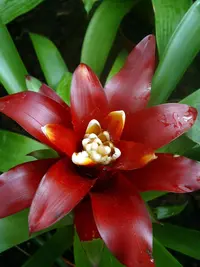
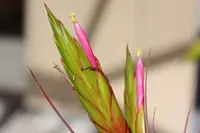
The plant forms a stiff rosette of narrow, arching leaves that range from green to reddish tones, often coloring up more under strong light. In bloom, it produces a colorful central spike with tubular flowers. Its slow growth, lack of soil needs, and tolerance of a wide range of indoor conditions make it relatively straightforward to care for Tillandsia concolor, provided it receives good light and regular moisture.

Main Plant Requirements

Care Difficulty

Moderate Care

Light Preference

Partial Sun

Water Requirements

Low Water

Temperature Preference

Tropical / Frost Sensitive

Hardiness Zone

10–12

Soil Texture

Sandy, Rocky, Organic-rich

Soil pH

Acidic (5.5–6.5)

Soil Drainage

Well-drained

Fertilization

Light (every 4–6 weeks)

Get Personalized Care Plan

Scan your plant to receive care tips personalized for your specific plant

Available on iOS and Android

How to Care for the Tillandsia concolor

This species prefers bright, direct light but needs protection from harsh midday sun in hot climates.

  • Provide 4–6 hours of direct morning sun or late-afternoon sun, with bright filtered light the rest of the day, especially for Tillandsia concolor mounted outdoors.
  • In very hot, dry regions, shift plants to bright dappled shade from about 11 a.m.–3 p.m. to prevent leaf scorching and bleaching.
  • If color fades to dull green and growth slows, gradually move the plant to a brighter position over 1–2 weeks to avoid shock.

This air plant absorbs moisture through its leaves, so watering focuses on thorough wetting and fast drying rather than soil moisture.

  • Soak or drench the foliage 1–3 times per week, allowing all surfaces to get wet, then let the plant dry completely within 2–3 hours in good air movement.
  • Increase watering in hot, dry, windy periods and reduce to about once weekly in cool, humid weather, always avoiding constant surface dampness.
  • Signs of overwatering include limp, darkening leaf bases and rot odor; signs of underwatering include curling, brittle leaf tips and slow recovery after soaking.

This species grows best in warm, frost-free conditions with good air movement.

  • Aim for 65–85°F (18–29°C) for active growth, keeping plants in a bright, airy spot where surfaces dry between waterings.
  • Protect from temperatures below 40°F (4°C); brief dips to 35–40°F (2–4°C) may be tolerated if kept dry, but freezing causes permanent damage.
  • In heat above 90°F (32°C), increase humidity and air flow, provide more shade around midday, and water earlier in the day to prevent heat stress.

This air plant prefers moderate humidity but adapts to typical indoor levels if watering is adjusted.

  • Aim for 40–60% humidity, increasing misting or dunking frequency if indoor air is consistently below 30%.
  • Dry, crispy leaf tips or rolling, tightly curled leaves indicate humidity and moisture stress.
  • Improve humidity locally with a shallow water tray nearby, grouping plants, or misting in the morning so foliage dries by night.

As an epiphyte, this species does not need traditional soil but benefits from a supportive, fast-drying mount or substrate.

  • Avoid potting Tillandsia concolor in standard peat or compost-based mixes, which stay wet and can rot the base.
  • Use inert, airy materials such as large orchid bark, cork, or lava rock that allow air to reach all sides of the plant.
  • If placing in a decorative container, keep the plant above any retained water using pebbles or a mesh platform.
  • Ensure the mounting surface dries fully between waterings and avoid any medium that stays soggy or compacted.

This air plant can be displayed in containers if they allow excellent air flow and no standing water.

  • Choose open containers like mesh cups, slatted holders, or wide glass vessels with a large open top for air movement.
  • Raise the plant on pebbles, shells, or a mesh insert so the base never sits in residual water after soaking.
  • Use heavier bases or wider, low containers if the plant becomes top‑heavy to prevent tipping when mounted upright.

This epiphytic air plant benefits from light, dilute feeding during active growth.

  • Use a balanced, low-nitrogen air plant or orchid fertilizer at 1/4–1/2 strength for Tillandsia concolor.
  • Feed every 3–4 weeks in spring–summer, adding fertilizer to the soaking or misting water.
  • Rinse plants with plain water monthly to prevent salt buildup on the leaves.
  • Stop or halve feeding in fall–winter when growth slows.

Pruning needs are minimal and focus on hygiene rather than shaping the plant.

  • In any season, gently remove completely dry, brown leaves by pulling downward along the leaf line.
  • After flowering, trim spent flower spikes close to the base without cutting healthy foliage.
  • Use small, sharp, disinfected scissors to avoid tearing leaf bases or introducing disease.
  • Removing dead or damaged parts improves air flow and reduces rot risk around the rosette of Tillandsia concolor.

This air plant does not need traditional repotting but benefits from occasional remounting or repositioning.

  • Transplant or remount in spring when growth resumes, especially if the clump has overgrown its mount or air flow is restricted.
  • Check every 2–3 years for crowded growth, decayed mounting material, or poor drying between waterings as signs it needs a new position.
  • Gently detach the base from old wire, glue, or ties, supporting the plant to avoid breaking brittle leaves or the central rosette.
  • Remount on inert, well-ventilated material (cork, driftwood, open wire) and secure loosely so the base is stable but roots and leaves are not crushed.

Propagation is commonly done by removing offsets rather than growing from seed.

  • Allow pups to reach at least 1/3–1/2 the size of the parent Tillandsia concolor before separating.
  • Best season is spring–summer, when warmth and longer days support establishment.
  • Gently twist or cut pups from the base with sterile scissors, keeping their own small base intact.
  • Place new plants in bright, indirect light with good air movement and maintain consistent moisture for several weeks while they anchor.

This tropical air plant is frost sensitive and needs protection in cold climates.

  • Keep plants above 40°F; prolonged exposure near freezing damages leaf tissue.
  • Move mounted or container-grown specimens indoors before nighttime lows drop below 45°F.
  • Place in bright, indirect indoor light and ensure good air circulation to prevent winter rot.
  • Reduce watering slightly in cool conditions so plants dry fully within 4–6 hours after soaking or misting.

Care Tips

Rotate Mount Regularly

Rotate the mounted plant by 90° every 1–2 weeks so all sides receive similar light and air exposure, which keeps growth more symmetrical and reduces shading of inner leaves.

Use Inert Mounts

Attach the plant to inert, non-rotting materials such as cork bark, hardwood, or plastic-coated wire rather than soft wood, which helps prevent rot and fungal problems at the base over time.

Quick-Dry Watering

After soaking or rinsing, place the plant upside down on a towel or mesh for 20–30 minutes so excess water drains from the leaf bases and does not accumulate in the rosette.

Seasonal Light Shifting

Shift the plant slightly farther from intense windows in summer and closer again in winter to maintain strong color without leaf scorching when growing Tillandsia concolor.

Targeted Pest Checks

Inspect the leaf bases and the underside of inner leaves every 2–3 weeks for mealybugs or scale, using a cotton swab dipped in 70% isopropyl alcohol to remove any small infestations before they spread.

Common Pests and Diseases

Mealybugs

This pest appears as small white cottony clusters tucked into leaf bases and protected crevices. Symptoms include slowed growth, leaf yellowing, and sticky honeydew on surrounding surfaces.

Solution

Isolate the plant, then rinse thoroughly under lukewarm running water, paying special attention to the leaf bases. After rinsing, dab remaining insects with cotton swabs dipped in 70% isopropyl alcohol, allow the plant to dry fully with strong air circulation, and repeat weekly until no new mealybugs appear.

Scale insects

These insects look like tiny brown or tan bumps attached firmly to the leaf sheaths and lower leaf surfaces. Symptoms include dull, stressed-looking foliage and a thin film of sticky residue.

Solution

Manually scrape or lift off insects with a soft toothbrush or wooden stick under running water, then let the plant dry in a bright, airy spot. For remaining scale, wipe affected areas with diluted isopropyl alcohol, increase airflow, and inspect regularly to remove any new individuals early, which is a key part of practical Tillandsia concolor care instructions.

Fungal leaf spot

This disease causes small dark or translucent spots on leaves, often starting where water remains trapped in the leaf bases. Spots may enlarge, coalesce, and lead to localized tissue collapse in poorly ventilated conditions.

Solution

Improve air movement around the plant, avoid soaking the plant late in the day, and always allow it to dry completely within 2–4 hours after watering. Trim and discard severely affected leaves with clean tools, then reduce watering frequency and, if needed, use a copper-based fungicide sprayed lightly while ensuring good post-treatment drying.

Bacterial soft rot

This disease leads to rapidly soft, mushy leaf bases with a sour odor, often starting where water sits for long periods in the central rosette. Symptoms include collapsing leaves and rapid structural breakdown of the plant core.

Solution

Remove and discard the entire infected plant if the base is soft, as this condition spreads quickly and is not reversible. To prevent new cases, avoid letting water sit in the rosette, ensure the plant dries quickly after watering, maintain good air circulation, and keep it in bright, indirect light to support stronger tissue development.

Interesting Facts

Color-shifting bracts

As its inflorescence matures, this species produces stiff, triangular bracts that shift from green to bright yellow and often red or orange at the tips, creating a strong color contrast with the narrow leaves. This color change is linked to pigment accumulation that helps attract hummingbird pollinators.

Terrestrial and lithophytic habit

Unlike many air plants that are strictly epiphytic, this species is frequently found growing on rocks or even in shallow soil in its native Mexican habitats. This flexible habit reflects its strong tolerance for high light and rapid drying after rainfall.

Stiff, recurving leaves

The leaves form a tight rosette with rigid blades that curve backward as the plant matures, giving it a distinctive starburst shape. This architecture channels water toward the central leaf bases while still allowing rapid air flow so the plant can dry quickly between rain events.

Botan icon

Did you know?

This species was one of several brightly colored Mexican tillandsias that played a notable role in early air plant exports in the mid–20th century, helping popularize the whole group of Tillandsia as ornamental “air plants” in European and North American collections and influencing how people think about how to take care of Tillandsia concolor today.

FAQs about Tillandsia concolor

Lack of maturity, insufficient light, or irregular moisture usually delays flowering. This species often needs several years to bloom. Stable bright light, regular soaking, and good air circulation support bud formation, but forcing blooms too early weakens plants.

Grow Healthy Plants with Botan Care

Keep your plants happy and healthy with plant identification, disease detection, and easy care guidance.

Botan plant care app — identify plants on mobile

Explore More Plants