Rotate For Symmetry
Turn the pot 90° every 1–2 weeks so the leaf shields develop evenly and the petioles do not lean or twist strongly toward a single light source.

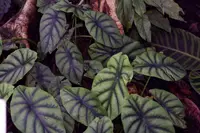
Green shield alocasia (Alocasia clypeolata) is a compact tropical aroid grown mainly for its striking foliage. It forms clumps of upright, shield-shaped leaves with dark green veins and a lighter, almost silvery background. The thick leaves have a slightly glossy surface and a defined texture, giving the plant a bold, sculptural look even at a small size.
This species is native to the Philippines, where it grows in warm, humid, shaded forest environments. In homes it prefers bright, filtered light, consistently moist but not waterlogged soil, and stable warmth. These needs make it moderately demanding, so understanding how to care for green shield alocasia is important for long-term success.

Care Difficulty
Moderate Care

Light Preference
Bright Indirect Light

Water Requirements
Keep Soil Moist

Temperature Preference
Tropical / Frost Sensitive

Hardiness Zone
10–11

Soil Texture
Loamy, Peaty, Organic-rich

Soil pH
Acidic (5.5–6.5), Slightly acidic (6.5–7.0)

Soil Drainage
Moist but well-drained

Fertilization
Moderate (every 2–4 weeks)
Scan your plant to receive care tips personalized for your specific plant
Available on iOS and Android
This species prefers bright, filtered light that mimics a forest understory environment.
Alocasia clypeolata prefers evenly moist, not soggy, soil with brief drying at the surface between waterings.
This plant grows best in warm, stable temperatures without drafts or sudden swings.
This species needs elevated humidity to maintain healthy leaves and steady growth.
Use a loose, airy, organic-rich mix that drains quickly yet retains moderate moisture.
This species grows very well in containers when moisture and stability are managed carefully.
This plant responds well to light, consistent feeding during its active season.
Alocasia clypeolata needs only light pruning to keep foliage healthy and tidy.
This species prefers slightly snug pots but benefits from periodic repotting to refresh the root zone.
New plants are most reliably produced by division of the clumping rhizomes rather than from seed.
This tropical plant is not frost hardy and needs warm, protected conditions in winter.

Plant Health Check
Not sure what's wrong with your plant? Check your plant's health inside the app.
The species name clypeolata refers to its shield-like leaf shape, with a thickened midrib and prominent primary veins that give the blade a slightly cupped, armor-like appearance.
This species develops dark, almost black primary veins contrasting with the light green leaf surface, a trait that remains visible even in relatively low indoor light compared with many other Alocasia species.
Alocasia clypeolata is native to lowland tropical forest understories in the Philippines, where it naturally grows in dappled light and consistently warm, humid air rather than in exposed, open habitats.

In the ornamental plant trade, Alocasia clypeolata is often confused with related species and hybrids, and its distinctive shield-like, strongly veined leaves have led to ongoing discussion among botanists and collectors about how to reliably distinguish it from visually similar Alocasia forms.
Brown leaf edges usually come from low humidity, underwatering, or fertilizer salts building up in the potting mix. Brown patches with yellow halos suggest leaf spot disease. Adjust moisture, increase humidity, and remove affected leaves to limit damage.
Keep your plants happy and healthy with plant identification, disease detection, and easy care guidance.

_(49532732922)-2-200x133.webp)