Mexican orange blossom Care (Choisya ternata)

Also known as: Mexican Orange Blossom, Mexican orange
Mexican orange blossom

About Mexican orange blossom

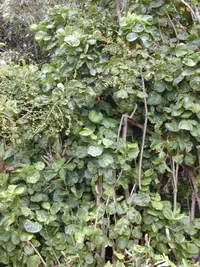
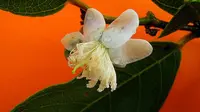
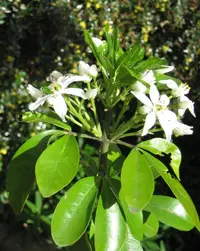
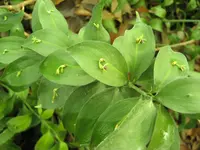
Mexican orange blossom, Choisya ternata, is an evergreen shrub grown mainly for its fragrant white flowers and glossy, divided leaves. It forms a dense, rounded shape that suits small gardens, hedges, and containers. This species is native to Mexico and the southwestern United States, where it grows in warm, bright conditions with well-drained soil. In gardens, it is valued as a low-maintenance shrub that responds well to light pruning and tolerates mild neglect. It prefers sun to light shade, moderate moisture, and soil that does not stay waterlogged. With these conditions, it is relatively simple to care for Mexican orange blossom, even for less experienced gardeners.

Main Plant Requirements

Care Difficulty

Easy Care

Light Preference

Partial Sun

Water Requirements

Moderate Water

Temperature Preference

Warm Climate

Hardiness Zone

7–10

Soil Texture

Sandy, Loamy, Organic-rich

Soil pH

Slightly acidic (6.5–7.0), Slightly alkaline (7.0–7.5)

Soil Drainage

Well-drained

Fertilization

Minimal (feed rarely)

Get Personalized Care Plan

Scan your plant to receive care tips personalized for your specific plant

Available on iOS and Android

How to Care for the Mexican orange blossom

Choisya ternata grows best with bright light and some daily sun exposure.

  • Aim for 4–6 hours of direct sun, ideally morning sun with light afternoon shade, especially in hotter regions.
  • Tolerates partial shade, but dense shade reduces flowering and makes growth sparse; choose a spot with dappled light if full sun is not available.
  • In very hot summers, protect Mexican orange blossom from strong afternoon sun to prevent leaf scorch and drying of the root zone.

Watering for Choisya ternata should keep the soil moderately moist but never saturated.

  • Before watering, let the top 3–5 cm of soil dry; check by feeling the soil rather than following a fixed schedule.
  • During the first growing season, water deeply when the soil dries at the surface to establish roots, then reduce frequency once established.
  • Ensure free-draining soil; yellowing soft leaves suggest overwatering and poor drainage, while dull, drooping foliage and dry soil signal underwatering.

This shrub prefers mild conditions and tolerates a reasonable range of outdoor temperatures.

  • Optimal growth occurs around 60–75°F (16–24°C), with steady flowering and healthy foliage in these conditions.
  • Mature plants usually tolerate brief drops to about 14°F (-10°C); young shrubs are less hardy and benefit from wind protection.
  • In hot climates, plants handle up to about 90°F (32°C) if soil moisture is maintained and roots are mulched to buffer heat swings.

This shrub adapts well to typical household and outdoor humidity, so moisture in the root zone is more critical than air humidity.

  • Aim for 40–60% humidity; it tolerates drier indoor air if soil moisture is consistent.
  • Brown, crisp leaf edges and stalled new growth can indicate prolonged very dry air combined with dry soil.
  • Mexican orange blossom benefits from grouped plants or a nearby pebble tray if indoor air regularly drops below 30% humidity.

Choisya ternata prefers slightly moist, well-structured soil that drains freely yet retains some organic moisture.

  • Use a loamy, slightly sandy mix with 30–40% compost to hold nutrients while allowing excess water to escape.
  • Aim for a slightly acidic to neutral pH of 6.0–7.0, avoiding strongly alkaline or saline soils that restrict nutrient uptake.
  • Improve drainage and aeration by blending in coarse sand or fine grit plus 10–20% perlite, especially for heavier native soils.
  • Avoid waterlogged or compacted ground, and do not plant in low spots where standing water lingers after rain.

This species is well suited to container growing on patios, balconies, or small gardens.

  • Choose a heavy, wide container to counterbalance the shrub’s bushy top growth and reduce tipping in wind.
  • Select a pot slightly deeper than the root system to stabilize the plant while avoiding unused, wet lower soil zones.
  • Use thick-walled terracotta or similar porous materials to moderate moisture and temperature swings in sunny positions.

Choisya ternata benefits from light, balanced feeding to support flowering and dense foliage.

  • Apply a balanced slow-release fertilizer (around 10-10-10) in early spring, following label rates rather than overfeeding.
  • Supplement with a thin layer of compost around the root zone once a year to improve soil structure and steady nutrition.
  • During the growing season, use a half-strength liquid balanced feed every 4–6 weeks only if growth seems weak.
  • In winter and late fall, stop feeding Mexican orange blossom so new growth is not forced in cold weather.

Choisya ternata responds well to thoughtful pruning that maintains a compact, flowering shrub.

  • Prune just after main flowering in late spring to early summer so next year’s flower buds are not removed.
  • Use clean, sharp hand pruners to remove dead, damaged, or crossing stems back to healthy growth.
  • Thin crowded interior branches to improve light and air flow, which supports foliage density and reduces disease risk.
  • Shorten overly long shoots by up to one-third to maintain shape and encourage bushier new growth.

This shrub is most often grown in the ground, with transplanting more common than frequent repotting.

  • Transplant or shift container plants in early spring or early fall, when temperatures are mild and soil moisture is steady.
  • Look for roots circling the pot, water running straight through, or slowed growth as signs the plant needs a larger container or new site.
  • Move to a hole or pot only 1–2 sizes larger, using free-draining soil and setting the root ball at the same depth as before.
  • Water thoroughly after moving, then keep soil evenly moist for several weeks to limit root stress and support re-establishment.

Choisya ternata is usually propagated from semi-ripe stem cuttings rather than seed.

  • Take 7–10 cm semi-ripe cuttings in mid to late summer from non-flowering side shoots with firm, green wood.
  • Remove lower leaves, optionally dip the cut end in rooting hormone, and insert into a free-draining mix of sand and peat-free compost.
  • Maintain high humidity with a clear cover and provide bright, indirect light at 65–75°F until roots form in several weeks.
  • Seed propagation is slow and variable; if attempted, sow fresh seed in a cool frame and expect uneven germination.

Choisya ternata is moderately cold hardy but benefits from basic winter protection in colder areas.

  • Tolerates light frost but may suffer leaf scorch or dieback below about 10–15°F, especially in exposed sites.
  • Apply a 5–8 cm mulch layer around the root zone in late fall, keeping it slightly away from the stems.
  • In very cold or windy locations, wrap young shrubs with breathable horticultural fleece to shield foliage from freezing winds.
  • Move container-grown plants into a sheltered, frost-free spot such as an unheated garage or porch in winter.

Care Tips

Wind exposure planning

Site plants where buildings, fences, or evergreen hedges break strong prevailing winds, as this shrub’s dense canopy can rock in storms and loosen roots in very exposed positions.

Encouraging bushy form

After flowering, pinch back just the tender stem tips on rapidly extending shoots to trigger side-branching and create a denser, more compact outline over time.

Layering for propagation

For an exact clone of a healthy shrub, peg a low flexible branch into the soil with a U-shaped wire, lightly wound where it touches the soil, and leave it 6–12 months until it roots before severing from the parent.

Mulch ring management

Maintain a clear, 5–10 cm deep organic mulch ring around the base, kept a few cm away from stems, to conserve moisture and suppress weeds without encouraging rot at the crown.

Frost and snow protection

In regions with occasional hard frosts or wet snow, loosely wrap small plants with breathable horticultural fleece and gently shake off heavy snow loads to prevent branch snapping and leaf scorch when caring for Mexican orange blossom.

Common Pests and Diseases

Leaf spot

Symptoms include tan to brown spots with darker margins on older leaves, sometimes merging to create larger dead patches. This disease appears more often in prolonged wet or humid conditions with poor air movement around the shrub.

Solution

Prune out and dispose of affected leaves, thin dense growth to improve airflow, and avoid overhead watering so foliage dries quickly. In severe or recurring cases, apply a copper- or chlorothalonil-based fungicide according to label directions during wet periods.

Dieback

This disease causes shoot tips and sometimes whole branches to brown, wilt, and die back from the ends, often after cold stress or physical damage. Symptoms include dark discoloration in the wood just behind the wilted section.

Solution

Cut back affected stems several inches into healthy green wood, disinfecting pruning tools between cuts with alcohol or a 10% bleach solution. Improve plant vigor by maintaining even soil moisture, adding mulch around the root zone, and protecting from harsh winter winds to reduce future dieback.

Scale insects

These insects appear as small, dome-shaped or oval bumps on stems and leaf veins, often producing sticky honeydew and encouraging sooty mold growth. Infestations can cause yellowing foliage, reduced flowering, and general decline.

Solution

Gently scrub stems with a soft brush and mild soapy water to remove scales, then rinse with clean water. For persistent problems, apply horticultural oil during the dormant season and, if needed, a lighter oil spray in spring, ensuring thorough coverage of stems and leaf undersides.

Leaf miners

This pest creates winding, pale tunnels inside the leaves, causing distorted or blotchy foliage and sometimes premature leaf drop. Damage is mainly cosmetic but can be unsightly on young plants or hedges kept for formal appearance.

Solution

Remove and dispose of affected leaves as soon as trails are noticed to reduce larval numbers. Encourage natural predators, and if damage is heavy on new growth, use a systemic insecticide labeled for ornamental shrubs, applying only according to local regulations and label instructions.

Spider mites

These pests cause fine speckling, dulling, and bronzing of leaves, sometimes with delicate webbing between foliage, especially during hot, dry weather. This pest can lead to gradual thinning of the canopy if ignored.

Solution

Spray foliage thoroughly with a strong stream of water, especially under leaves, to dislodge mites and dust, and repeat this regularly in dry periods. If populations remain high, use insecticidal soap or a summer horticultural oil, applied in the early morning or evening to avoid leaf scorch.

Interesting Facts

Citrus‑scented chemistry

The leaves release a strong orange-like aroma when crushed due to essential oils rich in monoterpenes such as limonene and linalool, compounds also found in many citrus species despite this shrub not belonging to the true citrus genus.

Shade‑tolerant bloomer

Unlike many sun-loving flowering shrubs, this species can still flower reasonably well in bright shade, which makes it unusual among ornamental evergreen shrubs with fragrant white flowers.

Long flowering window

In mild climates it often flowers in a main flush in spring and then again sporadically into summer and early fall, providing an extended season of nectar for pollinating insects.

Botan icon

Did you know?

Choisya ternata is native to highland regions of Mexico, where it naturally grows on rocky slopes and open woodlands, a habitat that helps explain its tolerance of relatively poor, free-draining soils in cultivation.

FAQs about Mexican orange blossom

Lack of flowers often comes from insufficient light, heavy pruning at the wrong time, or excess nitrogen fertilizer. Avoid cutting stems hard after late spring bloom, and use a balanced fertilizer to support bud formation.

Grow Healthy Plants with Botan Care

Keep your plants happy and healthy with plant identification, disease detection, and easy care guidance.

Botan plant care app — identify plants on mobile

Explore More Plants