knockaway Care (Ehretia anacua)

Also known as: Anacua
knockaway

About knockaway

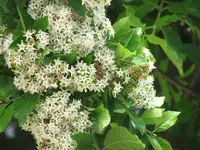
Ehretia anacua, commonly called knockaway or anacua, is a medium to large evergreen tree valued for its dense canopy and small white flowers. It often develops a rounded crown with rough, sandpaper-like leaves and a sturdy trunk. In nature it occurs in south Texas and northeastern Mexico, usually in dry woodlands and along stream banks. The tree is adapted to heat and periodic drought, which can make it relatively forgiving once established. Understanding how to care for knockaway starts with recognizing its preference for full sun, well-drained soil, and moderate moisture during its early years.

Main Plant Requirements

Care Difficulty

Easy Care

Light Preference

Full Sun

Water Requirements

Low Water

Temperature Preference

Warm Climate

Hardiness Zone

8–11

Soil Texture

Sandy, Loamy, Clay

Soil pH

Slightly acidic (6.5–7.0), Slightly alkaline (7.0–7.5)

Soil Drainage

Well-drained

Fertilization

Minimal (feed rarely)

Get Personalized Care Plan

Scan your plant to receive care tips personalized for your specific plant

Available on iOS and Android

How to Care for the knockaway

Ehretia anacua prefers bright, warm conditions similar to its native South Texas and northeastern Mexico range.

  • Provide full sun for 6–8 hours daily; light afternoon shade helps reduce leaf scorch in very hot, dry sites.
  • Young trees tolerate partial shade (3–4 hours direct sun) but grow denser crowns and better flowering when grown in more open light; this supports healthy knockaway development.
  • In coastal or high-heat zones, prioritize morning sun with dappled afternoon light; too little sun leads to sparse growth, while extreme all-day sun on shallow, dry soils can cause leaf edge burn.

Ehretia anacua is drought-tolerant once established but benefits from managed deep watering in its first years.

  • During establishment, water when the top 5–8 cm of soil is dry, applying a slow, deep soak that moistens soil 20–30 cm down.
  • In hot, dry summers, watch for dull, slightly curling leaves as a sign it needs a thorough watering; yellowing leaves with soft stems often indicate overwatering or poor drainage.
  • Mature trees in the ground usually rely on rainfall, but in prolonged drought give an occasional deep soak and avoid compacted clay; soil must drain freely, with no standing water around the root zone.

This warm-climate tree thrives in hot regions but has limited tolerance to cold.

  • Optimal growth occurs around 75–95°F (24–35°C); it handles typical summer heat well if roots have access to deep moisture.
  • The tree is generally hardy to about 20–25°F (-6 to -4°C); brief dips slightly below this may damage young shoots but older wood often resprouts from less-injured tissue.
  • In areas with occasional light frost, plant in a warm microclimate such as a south-facing wall; avoid low-lying frost pockets and protect young trees during sudden cold snaps.

This species tolerates a wide humidity range and usually does not need special humidity management outdoors.

  • Target 30–60% humidity for container or indoor specimens, which aligns with typical household and outdoor conditions in many regions.
  • Plants handle dry air well, but prolonged hot, very dry wind can cause marginal leaf scorch and tip browning on young or newly potted trees.
  • For the rare indoor knockaway, group plants together or place the pot on a pebble tray with water below the pot base to buffer brief very dry spells.

Ehretia anacua prefers well-drained, slightly dry-leaning soils and is adapted to relatively poor substrates.

  • Use a sandy or sandy-loam mix with moderate organic matter to balance drainage and water retention, such as 50% coarse sand, 30% loam, 20% compost.
  • Ensure rapid drainage; avoid heavy, compacted clay or mixes that stay wet for more than 1–2 days after watering, which increase root-rot risk.
  • Aim for slightly acidic to neutral pH around 6.5–7.5, which supports nutrient availability without causing micronutrient toxicity or deficiency.
  • Improve aeration for container culture by adding coarse sand, fine gravel, or perlite at 20–30% of the mix to keep pore spaces open over time.

This tree can be grown in containers, especially when young, if the pot and setup manage its eventual size and root strength well.

  • Select a deep, heavy container that resists tipping, since the woody canopy becomes dense and can act as a sail in strong wind.
  • Choose thick-walled clay or concrete pots in hot climates to moderate root-zone temperature and reduce sudden moisture swings.
  • Use an extra-large drainage hole layout, elevating the pot slightly on feet or bricks so runoff clears quickly and does not pool under the base.

Ehretia anacua grows well in average soil but benefits from light, targeted feeding in poor or highly disturbed sites.

  • Use a balanced slow-release fertilizer (for example 10-10-10) at 1/2 strength in early spring to support new growth.
  • In very lean soils, supplement with a thin layer of well-rotted compost over the root zone once per year.
  • Apply granular slow-release fertilizer again in mid-summer only if growth is weak or foliage is pale.
  • Stop feeding knockaway by late summer so new growth hardens before colder weather.

Ehretia anacua responds well to thoughtful structural pruning that maintains a strong framework and clearance.

  • Carry out main pruning in late winter or very early spring before active growth begins.
  • Remove dead, diseased, crossing, or storm-damaged wood first using clean, sharp bypass pruners or loppers.
  • Thin congested interior branches to improve light and air flow, which supports healthier foliage and flowering.
  • Shorten or remove awkward low branches to shape a single or multi-stem form suited to the site.

This species is usually grown in the ground, so management focuses on careful transplanting of young trees.

  • Transplant in late winter or early spring while the tree is dormant to reduce stress and water loss.
  • Move when roots circle the container, growth slows, or the plant dries out very quickly after watering.
  • Choose a sunny site with well-drained soil; dig a hole 2–3× the width of the root ball but no deeper.
  • Set the root flare at soil level, backfill firmly, water deeply, then mulch 5–8 cm away from the trunk.

Ehretia anacua is commonly propagated from seed, with cuttings used less often for selected forms.

  • Collect ripe seeds from mature fruits in late summer to early fall and clean off pulp before sowing.
  • Stratify seeds cool and moist for 60–90 days if germination is slow, then sow in a free-draining mix.
  • Maintain 70–80°F, bright light, and even moisture; germination may be gradual over several weeks.
  • For semi-hardwood cuttings in late spring to summer, use rooting hormone, high humidity, and bottom warmth.

This warm-climate tree has limited frost tolerance and benefits from simple winter protection in cooler regions.

  • In ground, apply 5–8 cm of organic mulch around the root zone in late fall, keeping it off the trunk.
  • Shelter young trees from cold, drying winds using windbreak fabric or temporary fencing where possible.
  • Grow container plants in very mild climates only and move them indoors or into a frost-free garage before freezes.

Care Tips

Wind-form training

In windy sites, begin structural pruning early to encourage a single dominant trunk and well-spaced scaffold branches so the tree develops a strong, wind-resistant form instead of multiple weak leaders.

Mulch for root cooling

Apply a 5–8 cm layer of coarse organic mulch out to the drip line, keeping it a few cm away from the trunk, to keep roots cooler, reduce soil compaction, and limit weed competition in hot climates.

Calcium and pH monitoring

In alkaline regions, periodically test soil pH and calcium levels and adjust with appropriate soil amendments only when needed, since this species tolerates high pH but still benefits from balanced mineral availability.

Dust and soot management

In urban or roadside sites, hose down foliage a few times each growing season to remove dust and soot, which improves light capture and reduces scale and mite problems that thrive on dirty leaves.

Wildlife and litter planning

When planning where to grow Ehretia anacua, site the tree away from driveways and pool decks if possible, since its small fruits and associated wildlife activity can create seasonal litter on hard surfaces.

Common Pests and Diseases

Anacua leafminer

This pest creates winding, pale tunnels inside leaves that may cause blotches and early leaf drop on anacua trees. Damage is usually cosmetic but can be heavy on young or stressed plants.

Solution

Prune and dispose of heavily mined leaves to reduce the larval population, and encourage natural predators by avoiding broad-spectrum insecticides. For repeated severe infestations, use a targeted systemic insecticide labeled for leafminers, applied according to local regulations and timing it for new leaf flushes.

Leaf beetles

These insects chew irregular holes or notches in anacua foliage and may skeletonize leaves when present in high numbers. Defoliation is usually patchy but can stress young trees.

Solution

Knock beetles off branches into soapy water and prune small, heavily damaged twigs. If damage is significant, use a contact insecticide or horticultural oil labeled for leaf-feeding beetles, applied in the evening to minimize impact on pollinators and beneficial insects.

Scale insects

This pest appears as small, immobile bumps on stems and twigs, often accompanied by sticky honeydew and black sooty mold on leaves and bark. Heavy infestations can weaken branches and reduce vigor.

Solution

Scrape or prune out heavily infested twigs, then wash reachable stems with a strong stream of water to dislodge insects and honeydew. For persistent problems, apply horticultural oil during mild weather, ensuring thorough coverage of stems and branch crotches, and repeat as the label recommends.

Sooty mold

This disease forms a black, soot-like coating on leaves and twigs that grows on honeydew excreted by sap-feeding insects such as scales or aphids. Symptoms include reduced photosynthesis and a dull, dirty appearance rather than direct tissue death.

Solution

Identify and control the underlying honeydew-producing insects first through pruning, washing foliage, and targeted insecticidal soaps or oils. Rinse affected leaves with water to improve appearance and light penetration; new clean growth will gradually replace badly coated foliage.

Leaf spot

This disease causes small brown to dark spots on leaves that may merge into larger blotches, sometimes leading to partial leaf drop during warm, humid periods. Symptoms include more severe spotting on crowded, shaded, or poorly ventilated branches.

Solution

Remove and discard fallen, spotted leaves and thin dense interior growth to improve air movement and light. In landscapes with recurring issues, consider a preventive copper- or chlorothalonil-based fungicide at the start of warm, wet spells, following label directions and focusing on young, emerging foliage.

Interesting Facts

Rough sandpaper leaves

The leaves have a very coarse texture caused by stiff, rough trichomes, which makes them feel like sandpaper and has led to the common name sandpaper tree.

Flowering in extreme heat

This species often flowers during the hottest part of the year in its native South Texas and northeastern Mexico range, providing nectar and pollen for bees and butterflies when few other trees bloom.

Riverbank and resaca specialist

In the wild, it frequently occurs along riverbanks, resacas, and other low, seasonally moist sites, showing a natural tolerance for periodic flooding followed by long dry periods.

Botan icon

Did you know?

The wood of this tree is notably dense and strong for a medium-sized ornamental species and has traditionally been used in its native range for tool handles, posts, and other small, durable items where resistance to wear is important.

FAQs about knockaway

This species is generally fast-growing, often adding 30–60 cm of height per year once established. In suitable outdoor conditions it can develop into a small to medium tree, typically reaching 6–10 m tall over time.

Grow Healthy Plants with Botan Care

Keep your plants happy and healthy with plant identification, disease detection, and easy care guidance.

Botan plant care app — identify plants on mobile

Explore More Plants