yellow walking iris Care (Trimezia steyermarkii)

yellow walking iris

About yellow walking iris

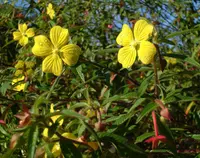
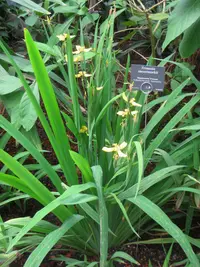
Yellow walking iris, Trimezia steyermarkii, is a clump-forming perennial often grown for its elegant, arching leaves and distinctive yellow, three-petaled flowers. It belongs to the iris family and spreads slowly as its flowering stems bend and root, creating new plants along the edges of the clump.

This species is native to tropical regions of Central and South America, where it grows in warm, humid conditions with filtered light. In gardens and containers, it is considered relatively easy to manage if given stable warmth, moderate moisture, and well-drained soil. Once its basic needs are understood, it is straightforward to care for yellow walking iris in many mild to warm climates.

Main Plant Requirements

Care Difficulty

Moderate Care

Light Preference

Partial Sun

Water Requirements

Moderate Water

Temperature Preference

Tropical / Frost Sensitive

Hardiness Zone

10–11

Soil Texture

Loamy, Sandy, Organic-rich

Soil pH

Acidic (5.5–6.5), Slightly acidic (6.5–7.0)

Soil Drainage

Moist but well-drained

Fertilization

Light (every 4–6 weeks)

Get Personalized Care Plan

Scan your plant to receive care tips personalized for your specific plant

Available on iOS and Android

How to Care for the yellow walking iris

Trimezia steyermarkii prefers bright, gentle light that mimics dappled sun in its native habitats.

  • Provide 4–6 hours of bright, indirect light or soft morning sun; protect from harsh midday and afternoon sun to avoid leaf scorch.
  • Tolerates light partial shade, but flowering of yellow walking iris is reduced in deep shade or with less than 3–4 hours of bright light.
  • In hot summers, use filtered light under trees or shade cloth; in cooler seasons, allow more direct morning sun to support bud formation.

Watering for Trimezia steyermarkii should maintain steady, slightly moist soil without staying saturated.

  • Water when the top 3–4 cm of soil feels dry, then soak thoroughly until water drains away or the root zone is evenly moist.
  • Use free-draining soil; signs of overwatering include yellowing, soft leaf bases, and a sour smell, while dry, folding leaves indicate underwatering.
  • In spring and summer, check moisture more often; in fall and winter, allow the top layer to dry a bit deeper and reduce watering frequency.

This species prefers warm, frost-free conditions with moderate seasonal variation.

  • Aim for 65–80°F (18–27°C) for active growth, as cooler conditions slow new leaves and flowers.
  • Protect from temperatures below 40°F (4°C); light frost can damage foliage, and prolonged exposure near freezing may kill rhizomes.
  • Tolerates short spells up to 90°F (32°C) if soil moisture is stable and roots are shaded; in heat waves, avoid hot reflected surfaces and dry winds.

This species prefers moderately humid air but usually adapts to average home conditions.

  • Aim for 40–60% humidity to reduce leaf tip browning and keep foliage turgid.
  • The plant tolerates short periods of drier air, but persistent levels below 30% can cause crispy tips and slower growth.
  • Increase humidity with a nearby tray of water and pebbles or group yellow walking iris with other plants to create a slightly moister microclimate.

This rhizomatous plant needs loose, well-draining, slightly moist soil to avoid root and rhizome rot.

  • Use a loamy mix with 50–60% peat or coco coir, 20–30% compost, and 20–30% perlite or coarse sand for both moisture retention and drainage.
  • Aim for slightly acidic to neutral pH around 6.0–7.0, avoiding strongly alkaline mixes that may limit nutrient uptake.
  • In heavy or compacted soils, blend in extra perlite or fine bark to improve aeration around the rhizomes and feeder roots.
  • Avoid dense clay, waterlogged spots, or containers that stay soggy, since Trimezia steyermarkii is prone to fungal problems in poorly drained conditions.

This species grows well in containers when the pot supports its spreading rhizomes and prevents waterlogging.

  • Choose a wide, shallow pot so rhizomes can spread laterally without being crowded into deep, soggy soil layers.
  • Select a heavier material like ceramic or clay if the foliage becomes top heavy, to reduce the risk of the pot tipping over outdoors.
  • Elevate the container slightly on pot feet or bricks so drainage holes remain clear and excess water escapes quickly after rain or watering.

Trimezia steyermarkii responds well to light, consistent feeding during the active growing season.

  • Use a balanced liquid fertilizer (such as 10-10-10) at 1/2 strength every 4–6 weeks in spring and summer.
  • Alternatively, apply a thin layer of mature compost or a low-dose slow-release fertilizer at the start of spring.
  • Pause feeding in fall and winter when growth slows, especially for yellow walking iris grown indoors.
  • Always water lightly before applying fertilizer to reduce the risk of root burn.

Pruning Trimezia steyermarkii focuses on cleanliness and maintaining healthy, flowering clumps.

  • In late winter or early spring, remove dead, yellowing, or damaged leaves at the base with clean, sharp scissors or pruners.
  • Cut spent flower stalks after blooming to tidy the plant and direct energy back to rhizomes.
  • Thin out congested fans of leaves every few years to improve air flow and light penetration.
  • Disinfect tools before and after use to limit the spread of fungal or bacterial problems.

This species forms clumps and benefits from occasional division and transplanting when crowded.

  • Plan transplanting or repotting in late winter to early spring, just before strong new growth begins.
  • Look for roots circling the container, crowded fans, or declining vigor as signs the plant is pot-bound.
  • Divide clumps gently, keeping several healthy fans and rhizomes together, and replant at the same soil depth.
  • Water thoroughly after moving the plant, then keep soil slightly moist and shaded for 1–2 weeks to limit stress.

Trimezia steyermarkii is most commonly propagated by division of mature clumps.

  • Divide rhizome clumps in late winter or early spring when lifting for transplanting or repotting.
  • Use a clean, sharp knife to separate sections with several healthy fans and firm rhizomes.
  • Replant divisions into well-drained soil, firming gently and watering to settle air pockets.
  • Seed propagation is possible in warm, bright conditions but is slower and less predictable than division.

Yellow walking iris is frost-tender and needs protection in regions with cold winters.

  • In climates below 30°F, grow in containers and move plants indoors to a bright, cool, frost-free space.
  • For in-ground plantings in mild zones, add a 5–8 cm mulch layer over the root zone in late fall.
  • Reduce watering in winter, keeping soil just barely moist to prevent rhizome rot.

Care Tips

Rotate container clumps

In pots, divide and replant congested clumps every 2–3 years, rotating sections so younger, more vigorous fans sit at the outer edge of the container where light and air circulation are best.

Staggered clump renewal

In garden beds, lift and divide only a portion of the clump every year or two, leaving the rest undisturbed so flowering continues while you gradually rejuvenate the whole planting.

Support walking offsets

Where flower stalks bend and touch the soil to form new plantlets, set shallow trays or low pots of moist, well-drained mix under the tips so the offsets root exactly where you want new clumps to form.

Pot-in-pot insulation

In colder regions, nest the main nursery container inside a slightly larger decorative pot filled with coarse bark or perlite between the walls to buffer roots from rapid temperature swings.

Planned winter rest

In climates with cool, dry winters, allow a short, deliberate rest period by slightly reducing water and avoiding repotting, then resume full care as days lengthen to synchronize flowering and simplify caring for yellow walking iris.

Common Pests and Diseases

Iris borer

This pest is a caterpillar that tunnels through leaves and rhizomes, causing yellow streaks, wilting fans, and mushy, foul-smelling rhizomes. Infestations weaken clumps and can lead to collapse of entire fans.

Solution

Cut and discard any leaves with visible streaking or borer entry holes, and dig up and destroy severely tunneled rhizomes. In colder regions remove and dispose of all old foliage and plant debris in fall, and in spring inspect new fans regularly and hand-crush borers or use a targeted Bacillus thuringiensis (Bt) product according to label directions.

Iris leaf spot

This disease causes small water-soaked lesions on leaves that enlarge into brown or tan spots with darker margins, leading to premature leaf dieback. Symptoms include thinning clumps and reduced flowering when infections are repeated over seasons.

Solution

Remove and discard affected leaves as soon as spotting is noticed, and keep foliage as dry as possible by watering at the soil level and improving spacing for airflow. In areas with recurring problems, clean up all dead foliage at the end of the season and consider a preventive copper- or chlorothalonil-based fungicide labeled for irises during warm, wet periods.

Rhizome soft rot

This disease leads to soft, water-soaked, foul-smelling rhizomes, often following mechanical injury or waterlogged conditions. Symptoms include yellowing or collapsing fans and sections of the clump that easily pull away from the soil.

Solution

Dig up affected clumps, cut out all soft or discolored tissue with a clean knife, and discard the rotten parts. Allow healthy rhizome sections to dry for 1–2 days in a shaded, airy place, then replant in well-drained soil, avoid overwatering, and maintain good spacing to reduce humidity around the base.

Spider mites

These insects are tiny sap-feeders that cause fine stippling, dull leaves, and in heavy cases, fine webbing on the foliage, especially in hot, dry conditions. This pest can lead to gradual yellowing and leaf drop on stressed plants.

Solution

Rinse foliage thoroughly with a firm stream of water, including the undersides of leaves, and repeat every few days until activity drops. Increase humidity around the plant, remove heavily damaged leaves, and if needed apply insecticidal soap or horticultural oil, making sure to cover both leaf surfaces and repeat as the product label directs.

Aphids

These insects cluster on soft leaf bases and flower stalks, sucking sap and causing distortion, sticky honeydew, and sometimes sooty mold on leaves. This pest can also weaken new growth and reduce flowering if populations build up.

Solution

Spray colonies off with a strong stream of water and pinch back heavily infested shoot tips. For persistent infestations, use insecticidal soap or horticultural oil, ensuring good coverage of all infested areas and repeating at 5–7 day intervals until populations are controlled, which supports practical Trimezia steyermarkii plant care.

Interesting Facts

Clonal clump former

This species spreads by short rhizomes and by plantlets that form on arching flower stalks, creating dense, genetically identical clumps over time when conditions are suitable.

Short-lived daily flowers

Each yellow flower typically lasts only a single day, yet the plant produces many buds on branched stalks, so blooming can continue in flushes for weeks in warm seasons.

Tropics to subtropics range

The species is native to tropical regions of Central and South America but has been widely cultivated and naturalized in warm subtropical areas, especially in gardens and landscapes in Brazil and parts of the southern United States.

Botan icon

Did you know?

Although often compared to true irises, this species belongs to the botanical family Iridaceae but sits in a different genus, and its arching, jointed stems and habit of producing plantlets along the flowering stems are key traits that distinguish it from most garden iris relatives.

FAQs about yellow walking iris

Lack of blooms often comes from insufficient light, nutrient-poor or depleted soil, or overcrowded clumps. Mature fans need enough energy and some seasonal temperature fluctuation. Dividing dense clumps and refreshing soil usually restores flowering over time.

Grow Healthy Plants with Botan Care

Keep your plants happy and healthy with plant identification, disease detection, and easy care guidance.

Botan plant care app — identify plants on mobile

Explore More Plants