shortspike watermilfoil Care (Myriophyllum sibiricum)

Also known as: Siberian water-milfoil, northern water-milfoil

About shortspike watermilfoil

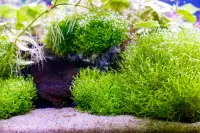
Shortspike watermilfoil (Myriophyllum sibiricum) is a submerged freshwater aquatic plant, often used in ponds, lakes, and aquariums. It forms soft, feathery, whorled leaves along slender stems, creating dense underwater foliage that offers shelter for fish and aquatic invertebrates.

This species is native to cooler regions of North America and parts of Eurasia, where it grows in still or slow-moving waters. It is generally considered easy to grow if kept in clean, nutrient-balanced water with good light.

Growth can be fast under favorable conditions, so occasional thinning is needed to prevent it from becoming too dense. Understanding how to care for shortspike watermilfoil helps maintain a healthy, stable aquatic environment.

Main Plant Requirements

Care Difficulty

Moderate Care

Light Preference

Full Sun

Water Requirements

Aquatic

Temperature Preference

Cold Hardy

Hardiness Zone

2–7

Soil Texture

Sandy, Loamy, Silty

Soil pH

Slightly acidic (6.5–7.0), Neutral (7.0)

Soil Drainage

Waterlogged tolerant

Fertilization

Minimal (feed rarely)

Get Personalized Care Plan

Scan your plant to receive care tips personalized for your specific plant

Available on iOS and Android

How to Care for the shortspike watermilfoil

This aquatic plant needs consistent light over shallow water to maintain dense, healthy foliage.

  • Provide 4–8 hours of direct sun in ponds or lakes; morning and midday sun are ideal, with light afternoon shade in very hot regions.
  • Shortspike watermilfoil tolerates partial shade, but stems may elongate and become sparse if daily sun drops below about 3–4 hours.
  • In summer, avoid positions with intense, all-day overhead sun in shallow water, which can overheat and stress plants; in cooler seasons, slightly higher sun exposure helps sustain growth.

Myriophyllum sibiricum is fully aquatic and depends on stable water conditions rather than traditional soil watering.

  • Grow in ponds, lakes, or water gardens with consistently submerged stems; water depth of 20–80 cm suits most conditions, avoiding frequent drawdowns that expose shoots.
  • Watch for stress: pale, collapsing tops can point to low water levels or poor quality, while blackening, foul-smelling stems often indicate stagnation and organic buildup.
  • In warm months, maintain gentle water movement and limit heavy nutrient runoff to prevent rot and algal blooms; in cooler seasons, stable, ice-free pockets help preserve overwintering shoots.

This hardy aquatic species tolerates a wide temperature range but grows best in cool to moderately warm water.

  • Optimal growth occurs around 60–75°F (16–24°C), where shoots branch densely and recover quickly from pruning or browsing.
  • The plant survives down to about 32°F (0°C) under ice, but sudden hard frosts in very shallow water can damage exposed stem tips.
  • Heat tolerance extends to roughly 80–86°F (27–30°C) if water is deep enough and oxygenated; prolonged higher temperatures with stagnant water increase stress and decay risk.

This submerged aquatic species does not depend on air humidity, as foliage lives fully underwater.

This aquatic plant anchors in underwater substrates rather than typical potting soil.

  • Provide a 5–10 cm layer of fine sand or sandy loam with high organic content on the pond or container bottom.
  • Ensure slow, even water movement so silt does not constantly disturb the rooting zone or bury stems too deeply.
  • Keep substrate slightly silty but not compacted; avoid heavy clay that forms a hard, airless layer under water.
  • Maintain slightly acidic to neutral conditions, around pH 6.0–7.5, and avoid high carbonate gravel that can raise pH too much.

This species is suitable for growing in wide aquatic containers or tubs filled with water.

  • Use a low, wide aquatic basket or pot so stems can spread horizontally without shading each other too quickly.
  • Weight the container with gravel on top of the substrate layer to keep it stable and prevent plants from floating up.
  • Position the container at a depth where shoot tips sit 10–30 cm below the water surface to balance light access and temperature stability.

This aquatic native usually grows well in nutrient-balanced water, so only light fertilization is needed in controlled plantings of shortspike watermilfoil.

  • Use a diluted balanced aquatic fertilizer (around 1/4 strength) rather than rich compost in ponds or tanks.
  • Feed every 4–6 weeks during active growth in spring–summer if water nutrients are low.
  • Avoid fertilizing in late fall–winter to prevent weak, leggy growth and algae blooms.
  • Monitor water quality; stop feeding if algae increases or plant shows soft, pale tissues.

Pruning Myriophyllum sibiricum keeps growth dense, manageable, and healthier in ponds or aquaria.

  • Trim actively growing stem tips in late spring–summer to control length and encourage branching.
  • Remove dead, decaying, or shaded lower stems to maintain water quality and plant vigor.
  • Thin crowded patches by cutting entire stems near the base to allow light and water movement.
  • Use clean scissors or aquascaping shears and avoid shredding stems, which can cause rotting.

Transplanting this aquatic species focuses on managing dense patches rather than classic repotting.

  • Transplant when clumps become too thick, growth slows, or stems shade each other heavily.
  • Best timing is late spring–early summer, once water temperatures are stable and growth is active.
  • Plan on thinning or relocating patches every 1–2 years in managed ponds or container water gardens.
  • Gently lift stems, keep roots and lower nodes submerged, and replant promptly to minimize stress.

Myriophyllum sibiricum is most often propagated by stem cuttings taken from healthy, fast-growing shoots.

  • Take 10–15 cm stem sections in late spring–summer from firm, green, pest-free growth.
  • Remove lower leaves and plant cuttings into shallow substrate or anchor with small weights underwater.
  • Provide bright light, stable water temperature, and gentle circulation to support quick rooting along nodes.
  • Allow rooted sections to establish before further thinning to avoid sudden loss of cover in the pond or tank.

This species is generally cold hardy in its native range and often needs little special winter care in outdoor ponds.

  • In regions with severe freezes, ensure plants grow in areas deeper than the maximum ice thickness.
  • Allow top growth to die back naturally, leaving submerged parts to overwinter below ice.
  • For container ponds, move tubs to a frost-free but cool location or sink containers into the ground.

Care Tips

Anchor Stabilization

Use fine aquarium gravel or sand to lightly bury the stem bases so the plant remains upright and forms a dense underwater stand instead of floating loosely at the surface.

Controlled Thinning

Every 2–4 weeks, remove older, shaded interior stems and leave younger, well-lit shoots to prevent self-shading and to keep water flow and oxygenation efficient in the tank or pond.

Fragment Management

When trimming, immediately net out loose stem fragments since they can root elsewhere, spread aggressively, and complicate caring for shortspike watermilfoil in contained systems.

Flow Optimization

Position filtration or aeration so there is gentle, constant water movement around the foliage, which helps prevent debris buildup on the fine leaves and reduces algae settling on the plant.

Seasonal Overwintering

In outdoor ponds in colder regions, allow some stems to sink and overwinter as dormant structures or move a small colony indoors in a cool, lit tank to maintain a backup population for next season.

Common Pests and Diseases

Aquatic aphids

These insects cluster on soft shoot tips and emergent stems, sucking sap and causing distorted or stunted growth above the water surface.

Solution

Reduce populations by directing a strong stream of water over emergent shoots, then remove heavily infested stem sections; in contained ponds or aquaria, introduce natural predators such as lady beetles outdoors or use a dilute, fish-safe insecticidal soap treatment, avoiding contact with fish and other sensitive aquatic life as much as possible.

China mark moth larvae

These insects (aquatic caterpillars) feed on submerged foliage, often cutting and folding leaf segments into cases and leaving ragged, skeletonized leaves.

Solution

Hand-remove leaf cases and affected stem sections where practical, use fine mesh covers on small ponds to limit adult moth access, and in larger outdoor water bodies encourage fish that consume larvae while monitoring to avoid overstocking and ecological imbalance.

Aquatic leaf spot

This disease causes small translucent to brown spots on submerged leaves, which may coalesce and lead to premature leaf breakdown in slow-moving or stagnant water.

Solution

Thin dense stands of the plant to improve water movement around stems, siphon out and discard decaying foliage, and maintain stable water quality with moderate flow so infected tissue is removed and new, healthy growth is encouraged.

Filamentous algae overgrowth

This problem occurs when filamentous green algae entangle around fine Myriophyllum foliage, blocking light and limiting gas exchange, which can smother shoots.

Solution

Manually twirl and remove algal mats with a stick or brush, reduce nutrient inputs by controlling fish feeding and runoff, increase water circulation, and in outdoor ponds consider shade or floating plants to lower light intensity and support overall Myriophyllum sibiricum plant care.

Snail feeding damage

These pests graze on tender leaf tips and new whorls, leaving shredded or clipped foliage, especially in nutrient-rich, still water bodies.

Solution

Regularly hand-pick larger snails, reduce excess organic debris where they shelter, and in controlled systems use snail-eating fish or traps, taking care to balance introductions with the existing aquatic community and to avoid copper-based treatments that can harm the plant and other aquatic organisms.

Interesting Facts

Cold-adapted native milfoil

This aquatic plant is native to cool freshwater habitats across northern North America and is particularly associated with lakes and slow rivers in boreal and temperate regions, where it tolerates colder water than many related milfoils.

Refined leaf architecture

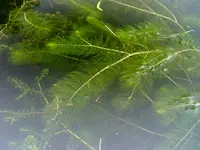
Its submerged leaves are finely divided into numerous threadlike segments arranged in whorls, an adaptation that increases surface area for gas and nutrient exchange in still or slow-moving water.

Ecological contrast to invaders

It often occupies similar habitats to the invasive Eurasian watermilfoil but typically forms less dense, more open stands, so it provides habitat for aquatic invertebrates and fish without creating the severe matting and ecosystem disruption seen with its invasive relative.

Botan icon

Did you know?

Genetic and morphological studies show that this species can hybridize with Eurasian watermilfoil in some regions, creating hybrids that are sometimes more aggressive than either parent and complicating management of nuisance milfoil growth in lakes.

FAQs about shortspike watermilfoil

This species spreads mainly by stem fragments and rhizomes. In nutrient‑rich, shallow water it can form dense stands, but it is usually less aggressive than Eurasian watermilfoil. Regular thinning and fragment removal help prevent unwanted overgrowth.

Grow Healthy Plants with Botan Care

Keep your plants happy and healthy with plant identification, disease detection, and easy care guidance.

Botan plant care app — identify plants on mobile

Explore More Plants