Aquatic edging control
Install a shallow plastic or stone edging 10–15 cm deep around planting areas near ponds or ditches to prevent this species from creeping into unwanted zones and to make physical removal of runners easier.


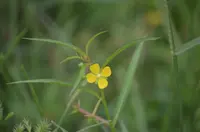
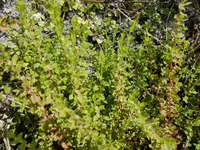
Shrubby primrose-willow (Ludwigia suffruticosa) is a semi-woody perennial often grown for its bright green foliage and small yellow flowers. It typically forms a dense, bushy clump with upright stems.
This species is native to wet habitats in parts of the Americas and is often found along pond edges, ditches, and other consistently moist sites. It can spread readily in suitable conditions, so placement and containment matter.
The plant favors full sun, damp to wet soil, and warm conditions, which makes it better suited to outdoor water gardens than dry borders. Understanding these natural preferences helps gardeners know how to care for shrubby primrose-willow in managed landscapes.

Care Difficulty
Moderate Care

Light Preference
Full Sun

Water Requirements
Aquatic

Temperature Preference
Warm Climate

Hardiness Zone
8–11

Soil Texture
Loamy, Silty, Organic-rich

Soil pH
Acidic (5.5–6.5), Slightly acidic (6.5–7.0)

Soil Drainage
Waterlogged tolerant

Fertilization
Minimal (feed rarely)
Scan your plant to receive care tips personalized for your specific plant
Available on iOS and Android
This wetland shrub prefers strong light to maintain compact growth and good leaf color.
This species prefers consistently moist to wet conditions and does not tolerate prolonged drying.
This plant is adapted to warm, frost-free to mildly frosty climates typical of many wetlands.
This species prefers moderately humid air, but adapts if extremes are avoided.
Ludwigia suffruticosa grows best in consistently moist, finely textured, organic-rich substrate.
This species is suitable for container growing where moisture can be controlled closely.
Ludwigia suffruticosa grows in nutrient-rich, often wet soils, but light feeding improves vigor in containers or poor ground.
Ludwigia suffruticosa responds well to light, targeted pruning to manage size and encourage branching.
This species is more often transplanted in the garden than grown as a long-term container plant.
Ludwigia suffruticosa is commonly multiplied by cuttings and division when conditions are warm.
In mild climates this plant usually overwinters outdoors with minimal attention once established.

Plant Health Check
Not sure what's wrong with your plant? Check your plant's health inside the app.
This species forms a low, semi-woody subshrub in marshy or seasonally flooded areas, with older stems becoming rigid while younger shoots remain herbaceous and flexible.
It can grow rooted in saturated soil or in shallow standing water, showing an amphibious lifestyle that allows it to persist through changing water levels in its native habitats.
The plant bears small yellow, typically 4-petaled flowers that open in the warmer part of the day and support wetland pollinators such as small bees and flies in its range.
This species can spread quickly in consistently moist or wet soil through self-seeding and stem pieces that root. In suitable climates it may form dense thickets, so use barriers and remove unwanted seedlings to prevent uncontrolled spread.
Keep your plants happy and healthy with plant identification, disease detection, and easy care guidance.