Dragon Triton Care (Tritonia drakensbergensis)

About Dragon Triton

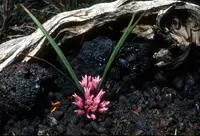
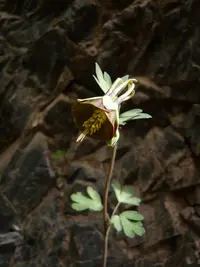
Dragon Triton, Tritonia drakensbergensis, is a small bulb-forming ornamental plant from the Drakensberg mountains of South Africa. It belongs to the iris family and grows from underground corms.

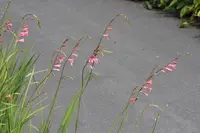
It produces narrow, grassy leaves and showy, tubular flowers in tight clusters, often in warm orange or red tones. The blooms sit on short stems and create a compact display.

In nature, it grows in rocky grasslands with distinct wet and dry seasons, so it prefers well-drained soil and careful watering. Its seasonal dormancy and sensitivity to excess moisture make it moderately challenging for beginners, but manageable for those who learn how to care for Dragon Triton.

Main Plant Requirements

Care Difficulty

Moderate Care

Light Preference

Full Sun

Water Requirements

Moderate Water

Temperature Preference

Warm Climate

Hardiness Zone

9–11

Soil Texture

Sandy, Loamy, Rocky

Soil pH

Acidic (5.5–6.5), Slightly acidic (6.5–7.0)

Soil Drainage

Well-drained

Fertilization

Minimal (feed rarely)

Get Personalized Care Plan

Scan your plant to receive care tips personalized for your specific plant

Available on iOS and Android

How to Care for the Dragon Triton

This small bulb prefers bright, open conditions with cool, dry winters and sunny growing seasons.

  • Provide 6–8 hours of full sun daily in spring and early summer; morning and midday sun produce sturdier, shorter flowering stems.
  • Accepts light afternoon shade in hotter regions, but prolonged dense shade reduces flowering and causes weak, floppy growth in Dragon Triton.
  • In very hot climates, protect from intense sun on reflective surfaces to avoid leaf scorch, and avoid planting where taller plants will shade it in late spring.

Watering should support a moist but fast-draining root zone during active growth, then stay dry when dormant.

  • During leaf and flower growth, water only when the top 3–5 cm of soil are dry, letting excess drain quickly to protect the small corms from rot.
  • Use sharply drained, gritty soil; if water pools on the surface for more than a few minutes or the area stays soggy after rain, conditions are too wet for Tritonia drakensbergensis.
  • Reduce watering sharply once leaves yellow and die back, then keep the soil almost dry through dormancy, watching for shriveling corms as a sign of severe underwatering.

This species comes from cool, upland habitats and prefers mild, not tropical, temperatures.

  • Aim for 55–70°F (13–21°C) during active growth; flowering and foliage quality are best on the cooler side of this range.
  • Protect from hard frost; the corms can tolerate brief dips near 25°F (-4°C) if soil is well drained, but repeated freeze-thaw cycles increase rot risk.
  • In hotter regions, ensure good air movement when temperatures exceed 80°F (27°C) and provide afternoon shade to prevent heat stress and shortened flowering.

This corm-forming species handles typical household humidity without special measures.

  • Aim for 30–50% humidity, similar to average indoor air, as higher levels are not essential for Dragon Triton.
  • Leaf tips browning or buds drying while soil moisture is correct usually indicates air that is too dry or hot drafts.
  • If air is very dry, place the pot on a pebble tray with water below the pot base to slightly raise local humidity.

This species prefers a sharply drained, sandy to gritty mix that dries quickly around the corms.

  • Use a mix of roughly 50% coarse sand or grit, 30–40% loam or potting mix, and 10–20% fine gravel or perlite for strong drainage.
  • Keep soil structure loose and airy so water moves through in seconds rather than minutes, preventing corm rot.
  • Aim for slightly acidic to neutral pH, around 6.0–7.0, avoiding strongly acidic or alkaline mixes that can restrict nutrient uptake.
  • Avoid heavy clay, peat-heavy, or compacted soils that stay wet, instead incorporating mineral grit to improve aeration and drainage for Tritonia drakensbergensis.

This species is well suited to container growing for better control of drainage and winter dryness.

  • Choose a deep pot that allows at least 10–15 cm of mix below the corms so roots can anchor and access a stable moisture zone.
  • Use a mineral-rich, gritty mix that drains so fast you can see water exit the drainage holes almost immediately after watering.
  • Prefer unglazed terracotta in wet or cool climates to allow faster evaporation from the root zone and reduce rot risk.

Tritonia drakensbergensis benefits from light, targeted feeding during its active growing season.

  • Use a balanced liquid fertilizer (around 10-10-10) diluted to 25–50% strength for container-grown Dragon Triton.
  • Feed every 3–4 weeks in spring and early summer while foliage is actively growing.
  • Stop fertilizing once leaves yellow and die back, as corms enter dormancy.
  • In rich, well-prepared garden soil, limit feeding to a light top-dress of compost in early spring.

Tritonia drakensbergensis needs only modest pruning to keep clumps tidy and flowering well.

  • In late summer or after flowering, remove spent flower stalks at the base with clean hand pruners or scissors.
  • Trim away dead, yellow, or damaged leaves without cutting into firm green tissue.
  • Avoid heavy green-leaf removal, which reduces energy storage in the corms and weakens next year’s display.
  • In crowded plantings, thin out weak or misshapen stems to slightly open the clump and improve air flow.

This corm-forming species is usually grown in the ground but can be lifted and divided when clumps become congested.

  • Plan transplanting or container repotting in late summer to fall, once foliage has fully died back.
  • Lift clumps every 3–4 years if flowering declines, growth is crowded, or many small corms form on the surface.
  • Gently tease corms apart, discard any soft or diseased ones, and replant healthy corms at the same depth in well-drained soil.
  • Water lightly after replanting to settle soil, then allow a short dry spell to limit rot and reduce transplant stress.

New Tritonia drakensbergensis plants are most reliably produced from division of corms, with seed used for larger batches.

  • Lift dormant clumps in late summer or early fall and separate offsets from the main corms by hand.
  • Choose firm, unblemished corms and replant them in gritty, well-draining soil, spacing 5–8 cm apart.
  • For seed, sow fresh in fall on the surface of a free-draining mix, just barely covered with fine grit.
  • Maintain cool, bright conditions and lightly moist soil; germination usually occurs in cool to mild temperatures.

This species prefers mild, relatively frost-free winters and may need protection in colder climates.

  • In USDA zones warmer than 8, well-drained garden plantings often overwinter outdoors with minimal intervention.
  • In cooler areas, dig corms after foliage dies back, dry them, and store in a cool, frost-free place until spring.
  • Mulch lightly over in-ground corms in marginal climates, keeping mulch dry to avoid rot.

Care Tips

Lift And Store

In cold climates below USDA zone 8, lift the corms after foliage dies back, dry them for 7–10 days in a shaded, airy place, then store in dry vermiculite or paper bags at 40–50°F to protect from rot and freezing.

Staggered Planting

For a longer bloom window, plant small batches of corms 7–10 days apart at the start of the growing season so flowering is naturally spread over several weeks.

Corm Size Selection

Sort corms by size before planting, using the largest and firmest for the main display and grouping smaller offsets in a separate bed or pot for future flowering stock.

Drainage Ridge Beds

In heavy or seasonally wet soils, form low raised ridges or mounded rows and plant corms along the crest to keep them slightly higher and drier, which greatly reduces corm rot.

Labeling And Mapping

Use durable labels and keep a simple sketch or digital note of planting positions and planting dates so it is easy to avoid accidental digging, track clump performance, and plan divisions when growing Dragon Triton over several seasons.

Common Pests and Diseases

Bulb mealybugs

This pest attacks the corms and basal plates, sucking sap and leaving cottony white masses between corm scales. Symptoms include weak, stunted growth, poor flowering, and corms that dry out or rot more easily in storage.

Solution

Remove heavily infested corms and discard them. For mild cases, scrub corms gently with a soft brush in lukewarm soapy water, rinse, dry thoroughly, then dust with a sulfur- or imidacloprid-based bulb treatment before replanting or storing, and avoid reusing contaminated potting mix.

Red spider mites

These insects feed on the foliage in hot, dry conditions, causing fine speckling, a dull gray-green appearance, and in heavy cases webbing on the leaves. Symptoms include reduced vigor and premature leaf yellowing and drop.

Solution

Increase humidity around the plants and rinse foliage with a firm but gentle stream of water, including the undersides of leaves, to knock mites off. If needed, apply insecticidal soap or a horticultural oil, repeating every 7–10 days while keeping plants out of intense direct sun during treatment.

Corm rot (Fusarium)

This disease affects stored or in-ground corms, leading to brown, sunken, or dry rotted areas that enlarge over time. Symptoms include poor or failed sprouting, weak shoots, and plants collapsing soon after emergence.

Solution

Inspect corms before planting, discarding any with soft, discolored, or shriveled areas, and avoid planting in poorly drained, cold, or repeatedly used soil. Use clean tools, allow lifted corms to dry quickly with good airflow, store them cool and dry, and consider a fungicidal bulb dip where Fusarium problems have occurred previously.

Botrytis leaf and flower blight

This disease thrives in cool, moist conditions and attacks leaves and flower spikes, causing tan or brown spots that may expand into soft, collapsing tissue with gray fuzzy mold. Symptoms include distorted or aborted buds and shortened flowering period.

Solution

Remove and dispose of affected leaves, flowers, and plant debris, and improve spacing and airflow so foliage dries quickly after watering or rain. Water at soil level in the morning, avoid wetting leaves, and in recurrent cases use a labeled ornamental fungicide during cool, wet spells as part of overall Tritonia drakensbergensis care.

Interesting Facts

Drakensberg cliff specialist

This species is naturally restricted to rocky slopes and cliff ledges of South Africa’s Drakensberg range, where it grows in thin, well-drained soils among montane grassland vegetation.

Cold-tolerant geophyte

It survives harsh mountain winters as an underground corm, allowing foliage and flowers to die back during cold or dry periods and resprout when conditions improve.

Orange, insect-pollinated blooms

The plant produces bright orange, tubular flowers on short stems in summer, which are adapted to attract local insect pollinators in high-altitude habitats.

FAQs about Dragon Triton

Lack of blooms usually comes from insufficient winter rest, overcrowded corms, or too little light. Cooler, drier winter conditions, moderate feeding, and lifting or dividing congested clumps every few years support reliable flowering when caring for Dragon Triton.

Grow Healthy Plants with Botan Care

Keep your plants happy and healthy with plant identification, disease detection, and easy care guidance.

Botan plant care app — identify plants on mobile

Explore More Plants