damianita Care (Chrysactinia mexicana)

damianita

About damianita

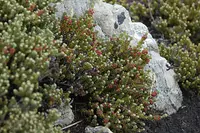
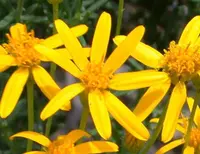
Damianita (Chrysactinia mexicana) is a compact, woody perennial shrub from arid regions of northern Mexico and the southwestern United States. It is often used in xeriscapes and rock gardens. Plants form low, mounding clumps with fine, needle-like evergreen foliage and bright yellow, daisy-like flowers that appear over a long season in warm climates.

This species thrives in hot, dry, sunny locations and prefers well-drained, often rocky or sandy soils. Once established, it has high drought tolerance and low maintenance needs, which makes it relatively easy to care for damianita in suitable climates.

Main Plant Requirements

Care Difficulty

Easy Care

Light Preference

Full Sun

Water Requirements

Low Water

Temperature Preference

Warm Climate

Hardiness Zone

7–10

Soil Texture

Sandy, Loamy, Rocky

Soil pH

Slightly alkaline (7.0–7.5), Alkaline (7.5–8.5)

Soil Drainage

Well-drained

Fertilization

Minimal (feed rarely)

Get Personalized Care Plan

Scan your plant to receive care tips personalized for your specific plant

Available on iOS and Android

How to Care for the damianita

This desert shrub needs strong, direct light to bloom well in most gardens.

  • Provide full sun for 6–8 hours daily; south- or west-facing exposures suit Chrysactinia mexicana best.
  • It tolerates light afternoon shade in very hot climates, but flowering decreases if it receives less than 4–5 hours of direct sun.
  • In winter, ensure damianita is not shaded by nearby plants or structures, as prolonged low light reduces vigor and causes leggy, open growth.

This drought-adapted shrub prefers infrequent, deep watering in fast-draining soil.

  • Allow the top 5–8 cm of soil to dry completely before watering; in arid climates this may mean every 10–21 days after establishment.
  • Use gravelly, sharply draining soil or a raised bed to prevent water from pooling around the roots of Chrysactinia mexicana.
  • Overwatering shows as yellowing, soft foliage and root rot odor, while underwatering first appears as slight leaf curl and reduced flowering rather than sudden collapse.

This species thrives in hot, dry climates and tolerates a wide temperature range once established.

  • Ideal growing temperatures are 70–90°F (21–32°C), with good performance up to about 100°F (38°C) if soil drains well.
  • Damianita handles brief dips to around 15–20°F (-9 to -6°C), but repeated hard freezes may damage older wood and reduce flowering.
  • In colder regions, plant in the warmest, most sheltered microclimate so winter lows moderate gradually and freeze–thaw cycles do not heave roots.

This desert shrub tolerates very dry air and humidity is rarely a limiting factor for damianita.

Chrysactinia mexicana prefers lean, sharply drained soil that mimics arid, rocky habitats.

  • Use sandy or gravelly soil with minimal organic matter to prevent water retention around the roots.
  • Aim for slightly alkaline to neutral pH, roughly 7.0–8.0, which suits its native limestone slopes.
  • Blend coarse sand or small gravel into a standard sandy loam to improve drainage and root aeration.
  • Avoid heavy clay, unamended compost-rich mixes, or spots where water lingers after rain.

This species is suitable for container growing when the pot and mix are managed for fast drainage.

  • Choose a wide, shallow container to match its spreading root system and reduce the risk of waterlogged lower layers.
  • Use a heavy, stable pot material or add top gravel so the lightweight top growth does not tip the container in wind.
  • Elevate the pot on feet or bricks so drainage holes stay clear and runoff exits quickly after rain or watering.

Chrysactinia mexicana is low maintenance and needs only light feeding in most garden soils.

  • Apply a thin layer of compost around the root zone once in spring to support blooming when growing damianita in poor soils.
  • Use a balanced slow-release fertilizer (around 10-10-10) at half strength at the start of the growing season if growth looks weak.
  • Avoid midsummer and fall feeding so new growth hardens before cold weather.
  • Do not fertilize in winter; allow the plant to rest and prevent soft, frost-prone growth.

Pruning Chrysactinia mexicana helps maintain a compact mound and encourages dense flowering.

  • Shear back lightly in late winter or very early spring, just before new growth starts.
  • Remove dead, damaged, or excessively woody stems at the base with clean hand pruners.
  • After the main bloom, give a light trim to spent flower stems to promote a neater shape and some rebloom.
  • Avoid cutting into old, leafless wood, since regrowth from very hard cuts can be slow or sparse.

This species is usually grown in the ground, so focus on careful transplanting rather than frequent repotting.

  • Transplant in late fall or early spring when temperatures are mild and the plant is less stressed.
  • Move only every several years, when growth declines, the plant outgrows its space, or container roots circle tightly.
  • Dig a wide, shallow hole and keep the root ball intact; disturb roots as little as possible to reduce shock.
  • Water thoroughly after transplanting, then allow soil to dry slightly between waterings until new growth clearly resumes.

Chrysactinia mexicana is commonly propagated from semi-hardwood cuttings and seeds for landscape use.

  • Take 7–10 cm semi-hardwood cuttings in late spring or early summer from non-flowering shoots.
  • Remove lower leaves, dip the base in rooting hormone, and place in a very well-drained, sandy mix under bright, indirect light.
  • Keep the medium just slightly moist and maintain warmth around 70–75°F to encourage rooting.
  • Sow seeds in spring on the surface of gritty soil, barely cover, and provide steady warmth and light until germination.

This plant is fairly cold hardy in dry climates but benefits from simple winter care in colder regions.

  • In climates colder than about 10–15°F, treat it as marginally hardy and expect some top dieback.
  • Apply a light, dry mulch (such as gravel or coarse bark) around the root zone without covering the crown.
  • Keep soil on the dry side in winter to reduce root rot risk in cold, wet conditions.
  • Move container plants to an unheated but frost-free, very bright spot if extended hard freezes are expected.

Care Tips

Shear After Bloom

Shear plants lightly by 2–3 cm right after the main flowering flush to maintain a compact mound and stimulate dense new growth without exposing bare woody stems.

Encourage Deep Roots

During the first growing season, water less often but more deeply so the root system follows moisture downward, which greatly improves long-term drought tolerance when growing damianita in exposed sites.

Improve Alkaline Drainage

In heavy or neutral soils, create a slightly raised berm mixed with coarse sand or small gravel so excess water runs off quickly and the crown stays dry during winter storms.

Use Reflective Mulch

Top-dress around but not touching the crown with a 2–4 cm layer of pale gravel or decomposed granite to reflect heat and light back to the plant and keep foliage drier, reducing disease risk.

Plan For Renewal

In older plantings, schedule replacement on a 5–7 year cycle or stagger new plants among aging ones to keep the display uniform, since this species can become woody and less floriferous with age.

Common Pests and Diseases

Spider mites

This pest appears in hot, dry conditions and can cause fine stippling, yellowing, and webbing on the needle-like foliage. Symptoms include overall plant dullness and premature leaf drop when infestations are heavy.

Solution

Rinse foliage thoroughly with a strong stream of water to dislodge mites, focusing on undersides of leaves, and repeat weekly until under control. Increase humidity around the plant slightly if grown in very dry micro-sites, prune and discard heavily infested stems, and use insecticidal soap or a horticultural oil labeled for mites if populations persist.

Aphids

These insects feed on tender shoots and flower stems, causing distortion, sticky honeydew, and sometimes sooty mold growth. New growth may appear curled or stunted, and flower production can be reduced.

Solution

Spray stems and foliage with water to knock aphids off, then treat remaining clusters with insecticidal soap, ensuring thorough coverage. Encourage or conserve natural predators such as lady beetles, and remove heavily infested shoot tips if needed to reduce populations quickly as part of Chrysactinia mexicana plant care.

Leaf spot

This disease causes small brown to tan spots on leaves, sometimes with a yellow halo, especially during extended warm, wet periods or overhead watering. Symptoms include thinning foliage and a generally tired appearance on affected sections of the mound.

Solution

Remove and discard spotted leaves and any fallen debris around the base to reduce fungal spores. Water at soil level rather than overhead, improve airflow by thinning dense stems if necessary, and if conditions stay wet, apply a light, broad-spectrum fungicide labeled for ornamental leaf spots according to the product directions.

Powdery mildew

This disease shows as white, powdery patches on leaves and young stems when warm days combine with cool, humid nights. Symptoms include dull, faded foliage and reduced flowering if left unmanaged.

Solution

Increase air circulation around the plant by avoiding crowding and removing some inner stems if the mound is very dense. Water early in the day at soil level, remove and discard the most affected shoots, and use a labeled horticultural oil or sulfur product at the first sign of mildew if cultural steps are not enough.

Interesting Facts

Desert evergreen shrub

This species keeps its fine, needle-like leaves year-round, even in semi-arid habitats of northern Mexico and the southwestern US, which is unusual among many desert perennials that die back seasonally.

Resin-scented foliage

When crushed or brushed, the foliage releases a strong resinous, camphor-like scent caused by essential oils produced in tiny glands on the leaves and stems.

Spring and fall blooming

In its native range, this plant commonly flowers in two main pulses, in spring and again in fall after late-summer rains, producing numerous small yellow, daisy-like heads that support native pollinators.

Botan icon

Did you know?

The species name mexicana reflects that it was first described from Mexican populations, and it remains particularly characteristic of the Chihuahuan Desert flora, where it helps stabilize shallow, rocky soils on limestone slopes and uplands.

FAQs about damianita

Lack of flowers often comes from too little light, pruning at the wrong time, or overly rich, damp soil. Trim lightly right after a bloom flush, keep conditions dry and sunny, and avoid high‑nitrogen fertilizer.

Grow Healthy Plants with Botan Care

Keep your plants happy and healthy with plant identification, disease detection, and easy care guidance.

Botan plant care app — identify plants on mobile

Explore More Plants