Wind exposure hardening
Gradually expose young plants to stronger air movement over 7–10 days before planting in a windy site, which helps stems lignify and reduces snapping in coastal or open gardens.

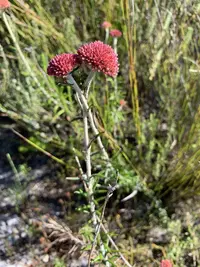
White everlasting (Anaxeton laeve) is a small, sun-loving shrublet grown mainly for its clusters of dry, papery white flower heads that last for a long time. The flowers give a clean, slightly silvery look that suits rock gardens and naturalistic plantings.
This species is native to South African fynbos, where it grows in open, well-drained, often sandy or rocky soils. It generally prefers bright light, moderate moisture, and soils that never stay waterlogged.
Its slow, compact growth and drought tolerance can make it relatively low maintenance once established. Understanding how to care for white everlasting largely means avoiding excess water and providing enough sun and air movement.

Care Difficulty
Moderate Care

Light Preference
Full Sun

Water Requirements
Moderate Water

Temperature Preference
Warm Climate

Hardiness Zone
9–11

Soil Texture
Sandy, Loamy, Rocky

Soil pH
Slightly acidic (6.5–7.0)

Soil Drainage
Well-drained

Fertilization
Minimal (feed rarely)
Scan your plant to receive care tips personalized for your specific plant
Available on iOS and Android
This sun-loving South African perennial thrives in bright, open positions with controlled exposure.
This drought-tolerant shrub prefers infrequent, deep watering and fast-draining soil.
This plant favors mild, dry conditions and tolerates some heat if roots stay well drained.
This species handles low household humidity but grows best in slightly dry, airy conditions around 30–50% humidity.
Anaxeton laeve prefers lean, fast-draining, sandy soil that mimics its rocky, low-nutrient habitat.
This species is suitable for container growing, especially in shallow, free-draining pots.
This species grows in relatively lean soils, so feeding should stay light and infrequent for healthy growth.
Pruning Anaxeton laeve is mainly used to maintain a compact shape and remove weak material.
This plant is usually grown in the ground, with transplanting needed only when space or site conditions change.
Anaxeton laeve is commonly propagated from seed and sometimes from softwood cuttings under suitable conditions.
This species is suited to mild, frost-free or only lightly frosty climates and usually needs minimal winter intervention.

Plant Health Check
Not sure what's wrong with your plant? Check your plant's health inside the app.
This species is native to the Western Cape of South Africa, where it grows on nutrient-poor sandstone slopes and flats, showing a strong ecological preference for fynbos habitats with well-drained, acidic soils.
Unlike many annual everlastings, this plant forms a small woody shrub with narrow leaves and numerous small white flower heads that dry on the plant and retain their form, which is why it is grouped among the so‑called everlasting daisies.
As a fynbos shrub, it is adapted to a fire-prone ecosystem, where periodic fires open up space and light, allowing its seedlings and other sun-loving species to recolonize the area.
Lack of blooms usually comes from insufficient light, very nutrient‑rich soil, or excessive watering. Ensure full sun, moderately lean, well‑drained soil, and avoid overfertilizing, which encourages leafy growth instead of flower production.
Keep your plants happy and healthy with plant identification, disease detection, and easy care guidance.