Alpine-style mulching
Top-dress around the rosettes with a 0.5–1 in layer of sharp grit or small alpine gravel to keep leaf bases dry, reduce crown rot risk, and suppress moss in tight crevices.

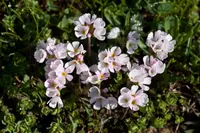
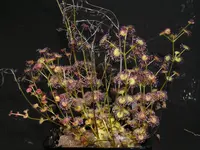
Androsace adfinis is a compact alpine perennial from the primrose family, forming tight mats or cushions of small rosettes. It produces delicate white to pale pink flowers on short stems, creating a dense, low-growing carpet.
This species occurs naturally in high mountain regions of Europe, where it grows in rocky crevices and well-drained scree. Its slow growth and preference for cool, well-drained, gritty soil make it better suited to rock gardens and troughs than to typical mixed borders.
Because it dislikes heat, humidity, and waterlogged conditions, it is considered moderately challenging and best for careful gardeners. Understanding how to care for Androsace adfinis starts with providing bright light, cool conditions, and sharp drainage.

Care Difficulty
Hard Care

Light Preference
Full Sun

Water Requirements
Moderate Water

Temperature Preference
Cold Hardy

Hardiness Zone
4–7

Soil Texture
Sandy, Loamy, Rocky

Soil pH
Acidic (5.5–6.5), Slightly acidic (6.5–7.0)

Soil Drainage
Well-drained

Fertilization
Minimal (feed rarely)
Scan your plant to receive care tips personalized for your specific plant
Available on iOS and Android
This alpine cushion plant prefers bright, cool light similar to high-mountain conditions.
This species needs careful watering that keeps the root zone moist but never saturated.
This alpine perennial prefers cool conditions and tolerates substantial cold when drainage is sharp.
This alpine species prefers relatively dry, airy conditions and does not need elevated humidity.
This plant requires sharply drained, gritty soil that mimics rocky alpine slopes.
This species is well suited to container growing, especially in rock-garden troughs or shallow pots with excellent drainage.
This alpine species prefers lean soils and usually needs only light feeding in cultivation.
Pruning needs for Androsace adfinis are minimal and focus on tidying the cushion after flowering.
This cushion-forming alpine dislikes frequent disturbance, so transplant only when clearly necessary.
Multiplying Androsace adfinis is possible but somewhat delicate, mainly through seed and careful division.
This alpine is quite cold hardy but benefits from thoughtful winter care, especially in wet or container conditions.

Plant Health Check
Not sure what's wrong with your plant? Check your plant's health inside the app.
This species naturally occurs on siliceous scree and rock debris in high mountain habitats, often above the tree line in the European Alps and nearby ranges.
The plant forms dense, low, cushion-like mats of small rosettes, an adaptation that reduces heat loss and wind damage in exposed alpine sites.
Evergreen rosettes can survive under snow cover and tolerate repeated freeze–thaw cycles, a key feature for growing Androsace adfinis in rock gardens that experience cold winters.
This species forms small, slowly expanding mats or cushions. It spreads modestly by short stems and self-seeding but is not considered aggressive. In most rock gardens it stays neatly contained and rarely overruns neighboring plants.
Keep your plants happy and healthy with plant identification, disease detection, and easy care guidance.