Handle Sap Safely
Use gloves and avoid touching your face or eyes when cutting or deadheading, as the milky latex sap is an irritant and should be washed off skin with soap and water immediately if contact occurs.

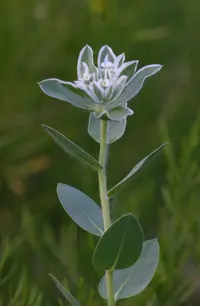
Snow-on-the-mountain (Euphorbia marginata) is an annual ornamental plant valued for its bright white-edged bracts that frame small, greenish flowers. It has an upright, branching habit and usually forms airy clumps that stand out in mixed borders or naturalistic plantings.
This species is native to parts of North America, often found in dry, open areas and prairies. Its tolerance of poor, well-drained soils and periods of drought generally makes it easy to grow in sunny garden sites.
Gardeners who want to care for Snow-on-the-mountain should note that it favors full sun, moderate watering, and soils that do not stay waterlogged.

Care Difficulty
Easy Care

Light Preference
Full Sun

Water Requirements
Low Water

Temperature Preference
Warm Climate

Hardiness Zone
2–11

Soil Texture
Sandy, Loamy, Rocky

Soil pH
Slightly acidic (6.5–7.0), Neutral (7.0)

Soil Drainage
Well-drained

Fertilization
Minimal (feed rarely)
Scan your plant to receive care tips personalized for your specific plant
Available on iOS and Android
This sun-loving annual thrives in bright, open conditions for strong growth and clear variegation.
This species prefers dry-leaning soil and is more sensitive to excess moisture than to brief dryness.
This annual performs best in warm, frost-free conditions during its growing season.
Humidity is not a major factor for Euphorbia marginata, which prefers dry to moderately dry air.
Euphorbia marginata prefers a lean, fast-draining soil that dries quickly between waterings.
This species is well suited to container growing outdoors in sunny, dry locations.
This sun-loving annual needs only light feeding, as many Snow-on-the-mountain plants thrive in fairly lean soil.
Pruning Euphorbia marginata is mainly used to maintain shape, remove damage, and encourage bushier plants.
This species is usually grown as a direct-sown annual, so transplanting or repotting is minimal.
Euphorbia marginata is most commonly propagated by seed, which is straightforward for home gardeners.
This plant is a warm-season annual in most climates and normally dies after frost, so winter care is minimal.

Plant Health Check
Not sure what's wrong with your plant? Check your plant's health inside the app.
The white leaf margins and bracts appear mainly in summer, helping the plant attract pollinators to its otherwise small, inconspicuous flowers and likely reflecting excess light in exposed prairie habitats.
This species is strictly annual, germinating, flowering, setting seed, and dying within one growing season, which allows it to rapidly colonize disturbed soils in its native central North American range.
Like many spurges, it produces a white, milky latex that can irritate skin and eyes, so gloves and eye protection are recommended when handling or pruning, especially when learning how to take care of Snow-on-the-mountain.

Euphorbia marginata is native to dry prairies and open rocky slopes of the central United States, where it often grows alongside early successional species and contributes to late-summer floral resources for native pollinating insects during a period when many spring wildflowers have already finished flowering.
This species grows relatively quickly in warm, bright conditions, often reaching near-mature size within a single growing season. Growth slows in cool weather or poor soil, so consistent warmth and drainage are important for strong seasonal performance.
Keep your plants happy and healthy with plant identification, disease detection, and easy care guidance.