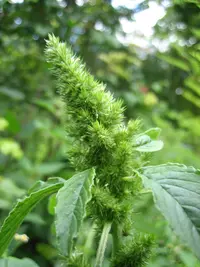
longbeak rattlebox Care (Crotalaria longirostrata)

longbeak rattlebox

About longbeak rattlebox

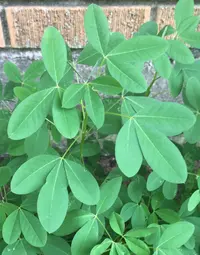
Longbeak rattlebox, Crotalaria longirostrata, is a shrubby legume grown for its unusual long-beaked seed pods and bright yellow pea-like flowers. It typically forms a bushy plant with fine-textured green foliage and a loose, open habit.

This species is native to Central America and Mexico, where it grows in warm, sunny locations with well-drained soil. It usually grows quickly in suitable conditions but can be short-lived in cooler climates.

Its ease of growth depends on providing warmth, good light, and soil that does not stay waterlogged. Gardeners who understand these needs will find it relatively straightforward to care for longbeak rattlebox.

Main Plant Requirements

Care Difficulty

Moderate Care

Light Preference

Full Sun

Water Requirements

Moderate Water

Temperature Preference

Tropical / Frost Sensitive

Hardiness Zone

10–11

Soil Texture

Sandy, Loamy, Organic-rich

Soil pH

Acidic (5.5–6.5), Slightly acidic (6.5–7.0)

Soil Drainage

Well-drained

Fertilization

Minimal (feed rarely)

Get Personalized Care Plan

Scan your plant to receive care tips personalized for your specific plant

Available on iOS and Android

How to Care for the longbeak rattlebox

This sun-loving shrub thrives in bright outdoor conditions when given enough direct light each day.

  • Provide 6–8 hours of direct sun, ideally strong morning sun with some light afternoon shade in very hot climates.
  • It tolerates light partial shade (around 3–4 hours of direct sun) but flowering decreases and stems may stretch in low light.
  • Protect longbeak rattlebox from intense, reflected afternoon sun in heatwaves, which can scorch leaves; use nearby taller plants or light shade cloth if needed.

This species prefers evenly moist but well-drained soil rather than constant wetness.

  • Water when the top 3–5 cm of soil feels dry to the touch; soil below should still feel slightly moist, not soggy.
  • In hot, windy periods, expect faster drying and more frequent watering; in cool or rainy seasons, allow longer drying intervals to prevent root problems.
  • Signs of overwatering include yellowing lower leaves and soft stems, while crisp leaf edges and drooping foliage with dry soil indicate underwatering; improve drainage if water pools.

This warm-climate shrub grows best in stable, frost-free conditions.

  • Aim for 70–85°F (21–29°C) during active growth, which supports strong stems and flowering without heat stress.
  • It tolerates brief drops to about 45°F (7°C), but growth slows and repeated exposure near this level weakens plants; protect from cold wind.
  • Crotalaria longirostrata is highly sensitive to frost; temperatures below 32°F (0°C) can kill top growth, so provide cover or grow in regions with mild winters.

This species handles a wide humidity range and usually does not need special adjustments in typical home or outdoor conditions.

  • Aim for 30–60% humidity; longbeak rattlebox tolerates drier air better than many tropical ornamentals.
  • Watch for crispy leaf edges or slow new growth as possible signs of prolonged very dry air.
  • Increase humidity only if air is extremely dry by grouping plants or placing trays of water and stones nearby.

This plant prefers freely draining, slightly sandy soil that avoids prolonged saturation around the roots.

  • Use a mix such as 50–60% loam or all-purpose potting soil with 20–30% coarse sand and 10–20% perlite to keep the root zone airy.
  • Aim for slightly acidic to neutral pH around 6.0–7.0, which supports nutrient availability without causing toxicity issues.
  • Blend in a modest amount of well-rotted compost for structure and slow-release nutrients, but avoid heavy, peat-dominant mixes that stay wet.
  • For Crotalaria longirostrata grown in containers, ensure rapid drainage; if water pools on the surface, add more sand or perlite.

This species is suitable for container growing when the pot is chosen to support its deep and spreading root system.

  • Select a pot at least 25–30 cm deep so the taproot can develop without curling tightly at the base.
  • Choose a heavier material such as clay or ceramic to stabilize the plant against wind and tall top growth.
  • Elevate the container slightly on feet or bricks so drainage holes clear freely and runoff does not reabsorb into the mix.

This nitrogen-fixing shrub usually needs modest feeding, especially when grown in poor or depleted soils.

  • Use a light application of balanced slow-release fertilizer (around 10-10-10) or a thin layer of compost at the start of the warm growing season.
  • Feed container-grown longbeak rattlebox every 6–8 weeks with half-strength balanced liquid fertilizer during active growth.
  • Skip or greatly reduce fertilization in winter or any dormant period, as nutrient demand is low.
  • Always water before and after applying fertilizer to limit root burn and improve nutrient uptake.

Pruning supports healthy structure and flowering in Crotalaria longirostrata.

  • Carry out main pruning in late winter or early spring before vigorous new growth starts.
  • Remove dead, diseased, or storm-damaged stems first, then thin crowded or crossing branches for better light and airflow.
  • Shorten overly long shoots to maintain a balanced, compact shape and encourage more branching and flowers.
  • Use clean, sharp hand pruners, making angled cuts just above outward-facing buds or side branches.

This species is more often grown in the ground, so focus on careful transplanting rather than frequent repotting.

  • Plan transplanting for late spring or early summer once soil is warm and frost risk has passed.
  • Look for signs such as roots circling the pot, water running off quickly, or slowed growth in containers.
  • Move plants every 2–3 years at most, choosing a slightly larger pot or a sunny, well-drained garden site.
  • Water thoroughly before and after moving, keep the root ball intact, and shade the plant for several days to reduce transplant shock.

Crotalaria longirostrata is commonly propagated from seed, with stem cuttings as a secondary option.

  • Sow fresh seeds in late spring or early summer in a warm, bright spot with well-drained, sandy mix.
  • Scarify hard seed coats lightly with sandpaper, then soak for 12–24 hours to improve germination.
  • Keep the seed mix evenly moist, not waterlogged, and maintain temperatures around 70–80°F until seedlings emerge.
  • For cuttings, take semi-ripe stems, remove lower leaves, place in moist, free-draining medium, and maintain high humidity.

This warm-climate shrub is frost-sensitive and benefits from simple winter protection in cooler regions.

  • In climates below 30°F, grow in containers so plants can be moved indoors or into a frost-free greenhouse.
  • Mulch the root zone with 5–8 cm of dry organic material in fall to buffer soil temperature and moisture.
  • In-ground plants in marginal climates can be wrapped loosely with breathable fabric to limit freeze damage to stems.

Care Tips

Provide sturdy staking

Install a solid stake or light trellis when plants are still under 30 cm tall so you can gently secure new stems as they elongate, preventing wind damage and helping the plant put more energy into flower and pod production.

Timed pinch-back

Pinch out the soft tips of young stems once or twice early in the growing season to encourage a bushier framework, but stop pinching 6–8 weeks before expected flowering so the plant can set strong bloom-carrying shoots.

Pod weight management

Where clusters of pods become very heavy, add an extra tie or secondary stake to those branches to stop them from snapping, especially in exposed, windy positions.

Targeted nutrient top-up

If foliage becomes pale while stems stay vigorous, lightly side-dress with a balanced granular fertilizer 10–15 cm from the stem base and water it in, rather than increasing overall feeding, to avoid pushing weak, overly lush growth.

Dry-season mulch band

In hot, dry climates, maintain a 3–5 cm band of coarse organic mulch around but not touching the stem base to stabilize soil moisture and temperature, which supports root health when caring for longbeak rattlebox in exposed beds.

Common Pests and Diseases

Bean pod borer

This pest bores into young pods and shoots, causing distorted growth and premature pod drop.

Solution

Remove and destroy infested pods and tender shoots to break the life cycle, then use fine mesh netting over plants during flowering and pod set to prevent egg‑laying; in outdoor beds, encourage natural predators such as parasitic wasps and avoid night lighting that attracts adult moths.

Leaf miners

These insects create winding, pale tunnels inside leaves, reducing photosynthesis and making foliage look blanched or blotchy.

Solution

Pinch off and discard leaves with fresh mines, then use yellow sticky traps to monitor adult flies and keep plants less attractive by avoiding excessive nitrogen fertilization and maintaining steady watering so foliage stays firm and less susceptible to damage.

Aphids

These insects cluster on tender shoots and undersides of leaves, sucking sap and causing curling, yellowing, and sticky honeydew that can attract sooty mold.

Solution

Dislodge colonies with a firm stream of water, then treat remaining clusters with insecticidal soap or neem oil, repeating every 5–7 days as needed while also controlling ant activity that protects aphids.

Powdery mildew

This disease produces white, powdery patches on leaves and young stems, which can lead to yellowing and premature leaf drop in dense plantings.

Solution

Prune to improve air movement around the canopy, avoid overhead watering, remove heavily infected leaves, and apply a sulfur or potassium bicarbonate fungicide labeled for ornamental legumes at the first sign of infection, especially in warm, dry conditions with high humidity at night.

Fusarium wilt

This disease causes gradual yellowing and wilting of lower leaves that progresses upward, often with one side of the plant more affected, eventually leading to plant collapse.

Solution

Uproot and discard infected plants with surrounding soil, avoid replanting longbeak rattlebox or other susceptible legumes in the same spot for several years, and focus on Crotalaria longirostrata care that includes well‑drained soil, crop rotation, and sanitized tools to reduce fungal spread.

Interesting Facts

Seedpod rattle mechanism

Mature dry pods contain loose seeds that rattle audibly when shaken, which inspired its common name longbeak rattlebox and may help attract animals that disperse the seeds.

Edible flower use

In parts of Central America, the flowers are traditionally cooked and eaten as a seasonal vegetable known as chipilín, valued for their mild flavor and for adding protein-rich foliage to local dishes.

Nitrogen-fixing shrub

As a legume with root nodules that host symbiotic bacteria, this species can fix atmospheric nitrogen into plant-available forms, improving soil fertility in small-scale agroforestry and home garden systems.

Botan icon

Did you know?

Some populations show a notable floral color shift from yellowish-green buds to more intensely colored mature flowers, which is thought to influence pollinator behavior by signaling which flowers offer the best nectar reward.

FAQs about longbeak rattlebox

Yes, this species is very attractive to bees, butterflies, and other beneficial insects. Its tubular yellow flowers provide nectar and pollen, making it useful in wildlife gardens, food forests, and pollinator-supporting landscape plantings.

Grow Healthy Plants with Botan Care

Keep your plants happy and healthy with plant identification, disease detection, and easy care guidance.

Botan plant care app — identify plants on mobile

Explore More Plants