Slimy Spike Care (Gomphidius glutinosus)

Slimy Spike

About Slimy Spike

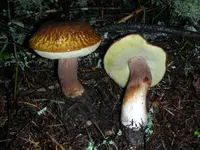
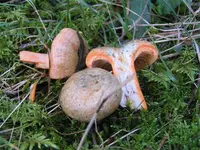
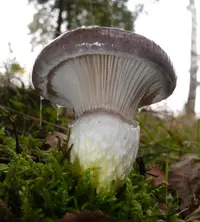
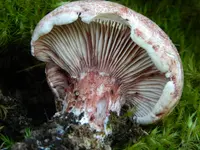
Slimy spike, Gomphidius glutinosus, is a soft, fleshy mushroom rather than a leafy plant. It forms tall, slender caps with a distinctly sticky, mucous surface. The gills are thick and often grayish to brown, giving it a striking look on the forest floor.

This species typically appears in coniferous forests, especially near pines, across parts of Europe and North America. It lives in close association with tree roots, which makes it difficult to cultivate at home.

Those hoping to care for Slimy Spike should know it prefers cool, moist, shaded conditions and naturally acidic, well-drained forest soil. Its reliance on a tree partner means it is usually observed in nature rather than actively grown indoors or in containers.

Main Plant Requirements

Care Difficulty

Hard Care

Light Preference

Partial Shade

Water Requirements

Keep Soil Moist

Temperature Preference

Cool Climate

Hardiness Zone

Unknown

Soil Texture

Loamy, Silty, Organic-rich

Soil pH

Strongly acidic (4.5–5.5), Acidic (5.5–6.5)

Soil Drainage

Moist but well-drained

Fertilization

Minimal (feed rarely)

Get Personalized Care Plan

Scan your plant to receive care tips personalized for your specific plant

Available on iOS and Android

How to Care for the Slimy Spike

This mycorrhizal fungus prefers cool, shaded forest light rather than direct sun exposure.

  • Locate fruiting areas in bright shade or dappled forest light, avoiding more than 1–2 hours of direct sun, especially in the afternoon.
  • Favor sites with consistent overhead tree cover; Slimy Spike develops best where conifers filter light and keep the forest floor dim and moist.
  • In summer, choose north- or east-facing woodland edges with filtered morning light, as prolonged strong sun can dry the substrate and suppress fruiting bodies.

This fungus depends on stable, moist forest soil rather than direct watering like a typical garden plant.

  • Aim for consistently moist, not waterlogged, soil; the top 2–3 cm should feel slightly damp, never soupy or bone dry for long periods.
  • Encourage good drainage with loose, well-aerated, organic-rich conifer litter, since Gomphidius glutinosus declines in stagnant, saturated ground.
  • Watch for shriveling or aborted caps as a sign of drought stress, and for slimy, collapsing fruiting bodies as an indicator of prolonged excess moisture.

This cool-climate forest fungus fruits best in moderate temperatures with distinct seasonal shifts.

  • Optimal fruiting usually occurs around 50–65°F (10–18°C), often in late summer to autumn in coniferous forests.
  • The mycelium tolerates cold down to about 23–28°F (-5 to -2°C) in soil, but exposed fruiting bodies can be damaged by hard frost.
  • Sustained heat above 77–82°F (25–28°C) dries the litter layer and can halt fruiting, so shaded, humid microclimates are important during warm spells.

Humidity plays little role in the health of the mycorrhizal fungus Gomphidius glutinosus, which relies mainly on suitable soil moisture and host trees rather than ambient air humidity.

Gomphidius glutinosus is a mycorrhizal fungus, so focus on preparing suitable ground conditions rather than a typical potting substrate.

  • Provide a loose, well-drained, organic-rich forest-type soil with plenty of decomposing conifer litter and needles.
  • Aim for slightly acidic conditions, around pH 4.5–6.0, commonly found under pine and spruce stands.
  • In garden settings, mimic conifer forest soil by mixing composted bark, leaf mold, and a small amount of sharp sand for structure and aeration.
  • Avoid compacted, waterlogged, or strongly alkaline soils, which reduce mycelium activity and limit fruiting of Gomphidius glutinosus.

This species is not realistically suitable for container growing because it depends on mycorrhizal partnership with living conifer roots in open ground.

This mycorrhizal fungus does not need routine fertilization and usually grows in nutrient-poor, acidic conifer soils without added nutrients.

Gomphidius glutinosus does not require intentional pruning because the fruiting bodies are short-lived and naturally decompose.

Transplanting is rarely appropriate because this fungus depends on a living mycorrhizal partnership with conifer tree roots.

  • If a cultivated pine or spruce seedling hosting the fungus must be moved, transplant in cool, moist weather to limit stress.
  • Lift the root ball carefully, keeping as much native soil and mycelium around the roots as possible.
  • Replant at the same depth, water thoroughly, and keep the site evenly moist but not waterlogged afterward.
  • Avoid disturbing or dividing the root zone more often than every several years, as disruption can break the symbiosis.

Intentional propagation of this species is difficult because it relies on specific tree partners and soil conditions.

Outdoor colonies of Slimy Spike in suitable conifer forests are naturally cold hardy and need no special winter care.

Care Tips

Host tree choice

Establish this mycorrhizal fungus near compatible conifers such as spruce or pine, as it relies on their roots for nutrients and will not fruit well in isolation.

Minimize soil disturbance

Avoid digging, tilling, or compacting the soil around the colonized area so the underground mycelium network remains intact and can keep producing fruiting bodies each year.

Mulch management

Maintain a light layer of conifer needles or wood chips over the colony to preserve moisture and mimic natural forest litter, but avoid thick, wet layers that can lead to competing mold growth.

Clean harvesting technique

Cut mushrooms at the base with a clean knife rather than pulling them up, which helps protect the mycelium and promotes more reliable fruiting in subsequent flushes when growing Slimy Spike.

Moisture monitoring

Use a simple soil probe or your finger to check moisture 3–5 cm below the surface during dry periods, then water the surrounding ground gently and deeply instead of frequent light sprinkling.

Common Pests and Diseases

Mycophagous springtails

These insects feed on slime and damaged tissue on the fruiting bodies, sometimes scarring caps and stems and accelerating decay. Symptoms include pitted, roughened surfaces and clusters of tiny jumping insects in the slime layer.

Solution

Limit standing surface water and overly saturated debris around the mushrooms, then gently rinse caps with clean water to remove insects where possible. In managed cultivation or display beds, reduce excess organic litter, improve drainage, and use fine mesh or physical barriers over fruiting areas to reduce colonization without disturbing the mycorrhizal association with conifers.

Slug and snail grazing

These pests are strongly attracted to the moist, gelatinous cap surface and can remove large portions of tissue overnight. Symptoms include irregular chew holes, missing cap sections, and silvery slime trails on and around the mushrooms.

Solution

Hand-pick slugs and snails during damp evenings and early mornings, and use physical barriers such as copper tape, coarse grit, or rough mulch around fruiting zones. In garden or collection settings, remove dense groundcover that shelters slugs and apply iron phosphate bait around, not directly on, the fruiting area to reduce damage while limiting impact on other organisms.

Fungal parasitism

This disease results from other fungi colonizing the slimy cap and gills, causing discoloration, softening, or rapid collapse of fruiting bodies. Symptoms include unusual surface molds, off-color patches, and premature decomposition of the mushrooms.

Solution

In managed sites, promptly remove and discard heavily colonized or collapsing fruiting bodies to reduce spore load near healthy specimens. Maintain moderate spacing, good air movement, and avoid piling wet plant debris over the fruiting zone so the caps dry faster after rain, which helps limit secondary fungal growth.

Interesting Facts

Slimy cap adaptation

The cap surface is covered in a thick, glutinous slime layer that helps prevent desiccation and may reduce attacks from insects and other small invertebrates in its conifer forest habitat.

Unusual mycorrhizal link

Although it looks like a typical bolete associate, this species forms a specialized mycorrhizal relationship with conifers such as spruce and pine, relying on the tree roots for carbon while helping the tree access water and mineral nutrients.

Pigment-based staining

The gray to violet cap and stem surfaces often show brownish stains where handled or bruised, reflecting oxidative changes in its pigments rather than the dramatic color shifts seen in some related boletes.

Botan icon

Did you know?

This species is frequently found growing in close association with certain Suillus species, sometimes fruiting almost intertwined with them, because both share the same conifer hosts and occupy very similar ecological niches in the forest floor community.

FAQs about Slimy Spike

This species is considered edible when correctly identified, but it is easily confused with other slimy, dark mushrooms. Only experienced foragers should harvest it, and always cook thoroughly. Avoid if unsure about identification or local safety guidance.

Grow Healthy Plants with Botan Care

Keep your plants happy and healthy with plant identification, disease detection, and easy care guidance.

Botan plant care app — identify plants on mobile

Explore More Plants