pinkmottle woodwax Care (Hygrophorus russula)

pinkmottle woodwax

About pinkmottle woodwax

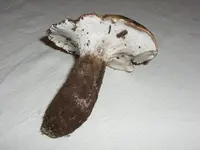
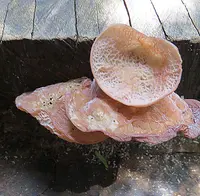
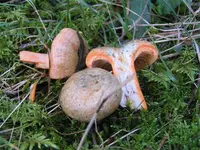
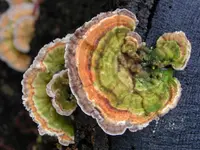
Pinkmottle woodwax, Hygrophorus russula, is a fleshy, gilled fungus rather than a true plant. It appears as sturdy, pink to reddish caps with pale, waxy gills and a thick stem.

It typically fruits on the ground in mixed or deciduous woodlands, often near oaks, in temperate regions of Europe and North America. The species forms mycorrhizal partnerships with trees, meaning it relies on living roots rather than standard garden soil.

Because of this close tree association, it is difficult to cultivate intentionally at home, and attempts to care for pinkmottle woodwax like a potted plant are rarely successful. It prefers moist, undisturbed forest soil with consistent humidity and dappled woodland light.

Main Plant Requirements

Care Difficulty

Moderate Care

Light Preference

Partial Shade

Water Requirements

Keep Soil Moist

Temperature Preference

Cool Climate

Hardiness Zone

Unknown

Soil Texture

Loamy, Silty, Organic-rich

Soil pH

Acidic (5.5–6.5)

Soil Drainage

Moist but well-drained

Fertilization

Minimal (feed rarely)

Get Personalized Care Plan

Scan your plant to receive care tips personalized for your specific plant

Available on iOS and Android

How to Care for the pinkmottle woodwax

This ectomycorrhizal fungus prefers cool, lightly shaded woodland light rather than full, open sun.

  • Aim for bright dappled shade under deciduous trees, with only 1–3 hours of gentle morning sun and no direct midday or afternoon sun on the fruiting area.
  • Choose sites where leaf canopy filters light; excessive sun exposure dries the upper 2–3 cm of soil quickly and can prevent pinkmottle woodwax from forming mushrooms.
  • In late summer to fall, ensure partial shade remains as leaves thin; avoid newly cleared or south-facing slopes that receive more than 4–5 hours of direct sun.

This woodland species depends on consistently moist, but not saturated, soil around its tree partners.

  • Check forest or garden soil by hand; it should feel evenly moist 2–5 cm deep, never dusty-dry or soggy, before considering supplemental water near Hygrophorus russula associations.
  • In dry spells, apply slow, gentle watering to the rooting zone of host trees, allowing water to soak 10–15 cm deep while avoiding puddles that linger longer than 2–3 hours.
  • Watch for overwatering signs such as sour, swampy smells and standing water, and for underwatering signs such as cracked soil surfaces and very brittle leaf litter.

This fungus fruits best in cool to mild conditions typical of autumn woodlands.

  • Optimal fruiting temperatures are around 50–65°F (10–18°C), with the underground mycelium remaining active in a wider band of roughly 40–70°F (4–21°C).
  • Short dips near 32°F (0°C) are tolerated, but repeated hard freezes below 25°F (-4°C) can halt fruiting until soil temperatures rise again.
  • Extended heat above 77–82°F (25–28°C), especially with dry air, reduces mushroom formation; shade and stable canopy cover help buffer against temperature swings.

This mushroom species does not have meaningful humidity management options in cultivation and is rarely grown successfully at home.

This woodland fungus depends on specific forest soil conditions and is not realistically grown in standard garden or potting setups.

  • Hygrophorus russula forms mycorrhizal relationships with tree roots in undisturbed, humus-rich forest soils, which are difficult to replicate artificially.
  • In nature it occupies loose, well-aerated leaf litter over mineral soil with rapid surface drainage but steady subsurface moisture.
  • The soil layer is strongly organic with decomposing leaves, fine roots, and fungal mycelium rather than a defined potting mix of compost, bark, or perlite.
  • Attempts to simulate its habitat should avoid compacted, heavily fertilized, or sterilized soils, which disrupt the root–fungus partnership it needs to fruit.

This species is not suitable for container growing in typical home or garden conditions, as it requires complex mycorrhizal associations with trees that containers do not support.

This ectomycorrhizal fungus does not require direct fertilization, as Hygrophorus russula relies on its tree partner for nutrients.

Pruning is not applicable to Hygrophorus russula, since it is a wild mushroom rather than a garden plant or woody perennial.

Transplanting pinkmottle woodwax is generally not recommended because this fungus depends on complex root associations with host trees.

  • Avoid attempting to move established clumps, as disturbance usually breaks the fine mycorrhizal network that supports fruiting.
  • If studying in culture, follow specialized mycology protocols rather than standard garden repotting practices.
  • Encourage natural spread by maintaining healthy host trees and undisturbed, organically rich soil.
  • Limit soil compaction and chemical use so the underground fungal mycelium remains intact and functional.

Propagation of Hygrophorus russula in gardens is rarely practical because it requires specific mycorrhizal partnerships with suitable trees.

No special winter care is needed for Hygrophorus russula, which persists as hardy underground mycelium and fruits when seasonal conditions suit it.

Care Tips

Spore-friendly raking

Lightly rake or disturb the leaf litter around existing fruiting spots after mushrooms fade to help spores contact the soil and increase the chance of future flushes in the same area.

Host tree mapping

Note which oaks or other likely host trees your mushrooms appear near, then focus minimal-disturbance management (no tilling, limited compaction, gentle mulching) in those zones to support the mycorrhizal relationship underground.

Soil disturbance control

Avoid deep digging, rototilling, or installing edging where fruiting bodies appear, as major disturbance can break the fungal network and reduce production for several seasons.

Leaf-litter management

Maintain a thin, natural layer of leaf litter over the fruiting area, removing only heavy mats or thick thatch so caps can emerge while the fungus retains moisture and organic cover.

Fruiting site marking

Discreetly mark productive fruiting spots with small stones or labels so you can monitor patterns over several years and adapt methods for growing pinkmottle woodwax in those microhabitats.

Common Pests and Diseases

Mycophagous springtails

These insects feed on developing fruiting bodies and gill tissue, leaving pitted, irregular damage and sometimes tunneling inside the caps. Symptoms include deformed mushrooms and fine, jumping insects visible when the soil or leaf litter is disturbed.

Solution

Reduce excess surface moisture by improving drainage and avoiding standing water around fruiting sites, since springtails thrive in saturated substrates. Gently remove and discard heavily damaged mushrooms and, in cultivation beds, thin organic debris and improve ventilation to keep the substrate evenly moist but not waterlogged, which supports more stable Hygrophorus russula care instructions in outdoor beds.

Mushroom fly larvae

This pest lays eggs in or near developing mushrooms, and the larvae bore into stems and caps, causing soft, water-soaked spots and premature collapse. This damage often appears as small entry holes with internal tunneling and decay.

Solution

Harvest mushrooms promptly when mature and remove any damaged or infested fruiting bodies to break the life cycle. Use fine mesh or fabric covers over small cultivation patches during peak fly activity and maintain good sanitation by clearing spent mushrooms and rotting organic matter that attract egg-laying adults.

Slugs and snails

These mollusks rasp away at the cap and gill surfaces, leaving large ragged holes, slime trails, and sometimes entire fruiting bodies eaten overnight. Symptoms include irregular bite marks starting from the edges of caps and stems.

Solution

Hand-pick slugs and snails in the evening or early morning and remove nearby hiding places such as boards, dense leaf piles, and stones. Where pressure is high, use copper barriers, rough mineral mulches, or iron phosphate slug baits placed away from the main fruiting cluster to reduce feeding without contaminating the mushrooms.

Bacterial blotch

This disease causes greasy, yellow-brown spots or streaks on caps and stems that can become slimy in very wet conditions. Symptoms include surface discoloration rather than deep tissue rot, often after prolonged leaf litter saturation or heavy splashing rain.

Solution

Limit direct water splashing onto fruiting bodies by watering soil or host tree roots rather than the mushroom zone, or by using gentler irrigation. Improve air movement around the site by lightly thinning dense groundcover and promptly removing heavily blotched mushrooms so bacteria are less likely to spread to new flushes.

Competing saprobic fungi

These fungi colonize the same litter and soil, forming dense mycelial mats or molds that can reduce fruiting of Hygrophorus russula and distort emerging mushrooms. Symptoms include unusual colored molds, faster-spreading fungal growths, or suppression of the typical pink-tinged caps in previously productive spots.

Solution

Manage organic matter so it is present but not excessively deep, since very thick, wet litter favors fast-growing competitors. In managed beds, periodically refresh the substrate with clean leaf litter or wood chips from compatible host trees and carefully remove heavily contaminated patches of substrate to favor the existing Hygrophorus russula mycelium.

Interesting Facts

Color-changing gills

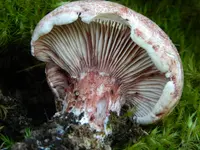
The gills start pale cream to pinkish and gradually develop wine-red or russet stains as the mushroom ages or is bruised, which helps distinguish it from many similarly colored russulas.

Russula mimicry

Although not closely related to Russula species, it has a stout, brittle-looking stem and a cap in wine-red shades that often stains the surrounding soil and leaf litter, causing it to be mistaken for a true brittlegill in the field.

Late-season fruiting

This species typically fruits in late summer to autumn in temperate regions, often appearing in the same mixed or deciduous woodlands year after year when moisture and temperatures align.

Botan icon

Did you know?

The species name russula refers to its reddish coloration and historically led to confusion with the separate genus Russula, so older field literature sometimes treated it as a russula-type mushroom despite modern genetic evidence placing it firmly in the genus Hygrophorus.

FAQs about pinkmottle woodwax

This species is generally regarded as an edible mushroom when correctly identified and well cooked, but quality is considered mediocre. Some people report digestive discomfort. Always be 100% certain of identification and avoid polluted collection sites.

Grow Healthy Plants with Botan Care

Keep your plants happy and healthy with plant identification, disease detection, and easy care guidance.

Botan plant care app — identify plants on mobile

Explore More Plants